



General
Dog Grass Pads: Do They Work & How to Keep Them Clean
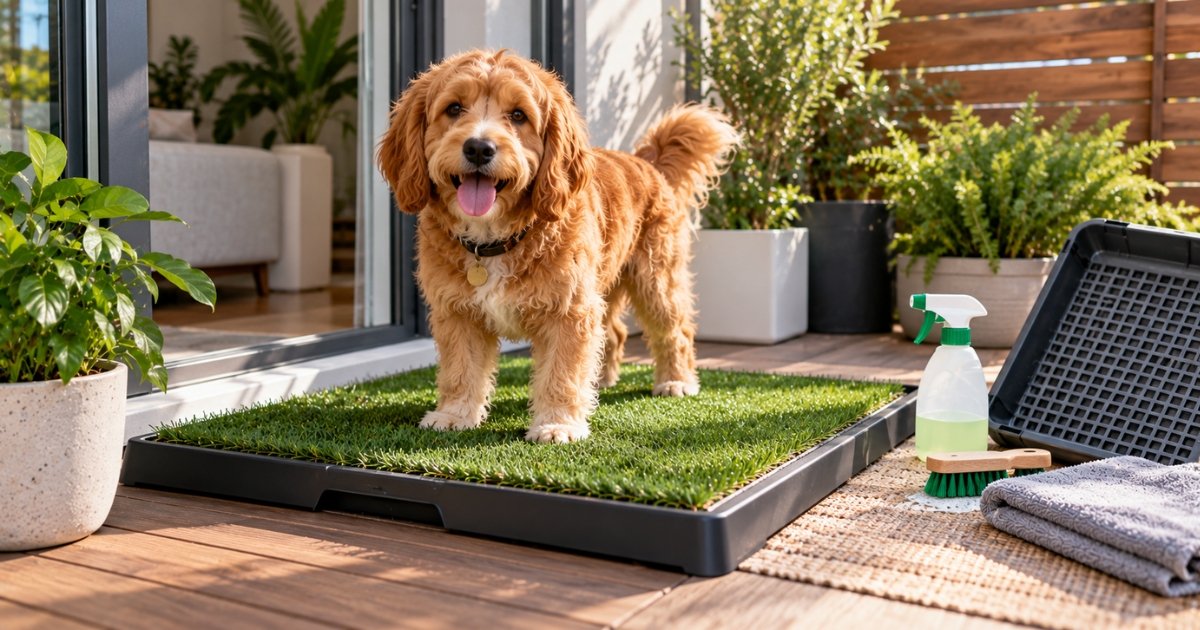
Does a dog grass pad really work? See real pros, cons, cleaning tips, and the best poop bags to keep your indoor potty fresh in 2026.

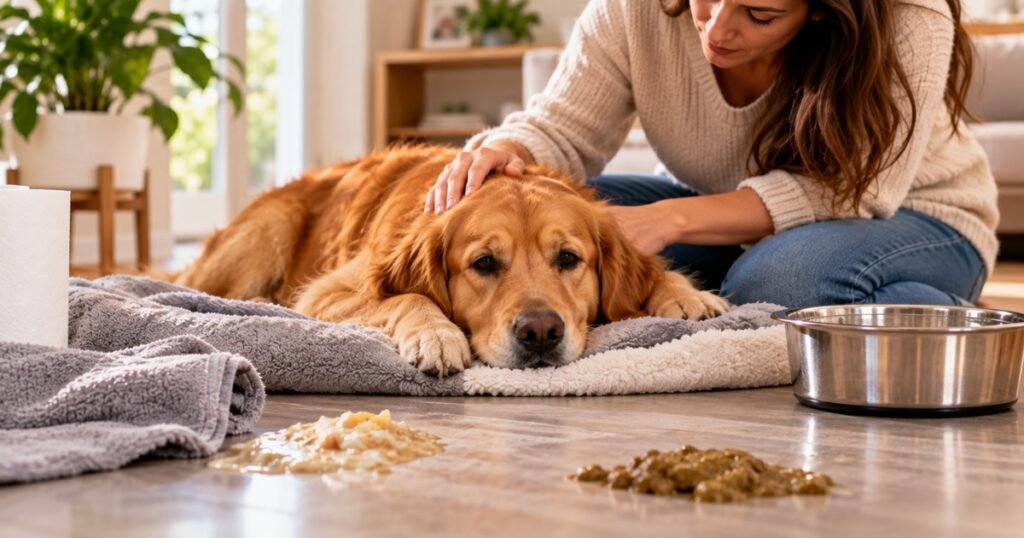
Few things rattle a pet parent faster than a sick pup at 2 a.m. If your dog is dealing with dog vomiting and diarrhea at the same time, it’s easy to panic — but most cases are mild, short-lived, and manageable at home. This calm, step-by-step action plan walks you through what’s actually happening, the red flags that mean “call the vet now,” and the practical cleanup and recovery steps that help your dog bounce back quickly.
Take a breath. You’ve got this. Let’s break down exactly what to do when both ends of your dog are having a rough day.
When a dog has both vomiting and diarrhea, it usually means the whole digestive tract is irritated — a condition vets often call acute gastroenteritis. The causes range from completely harmless to serious, so context matters.
Common, often mild triggers include:
More serious causes — which need a vet — include parvovirus, pancreatitis, ingested toxins, intestinal blockages, and parasites like giardia. According to the American Veterinary Medical Association, knowing your dog’s normal behavior is your single best diagnostic tool for spotting when something is truly wrong.
In the first hour, your job is to observe and stabilize — not to medicate. Here’s the order of operations we recommend to the pet parents in our GoGo Stik community:
Cleanup is where good supplies earn their keep. Thin grocery bags tear at the worst possible moment, and messy diarrhea needs something tougher. Many owners keep heavy-duty bags and pet wipes for paws and butt within arm’s reach during a sick spell.
Once vomiting has stopped for several hours, start with a bland diet: boiled plain chicken breast and white rice, or plain pumpkin (not pie filling). Serve small portions every few hours, then slowly transition back to their regular food over 2–3 days. Rushing this step is the number-one reason a recovering tummy relapses.
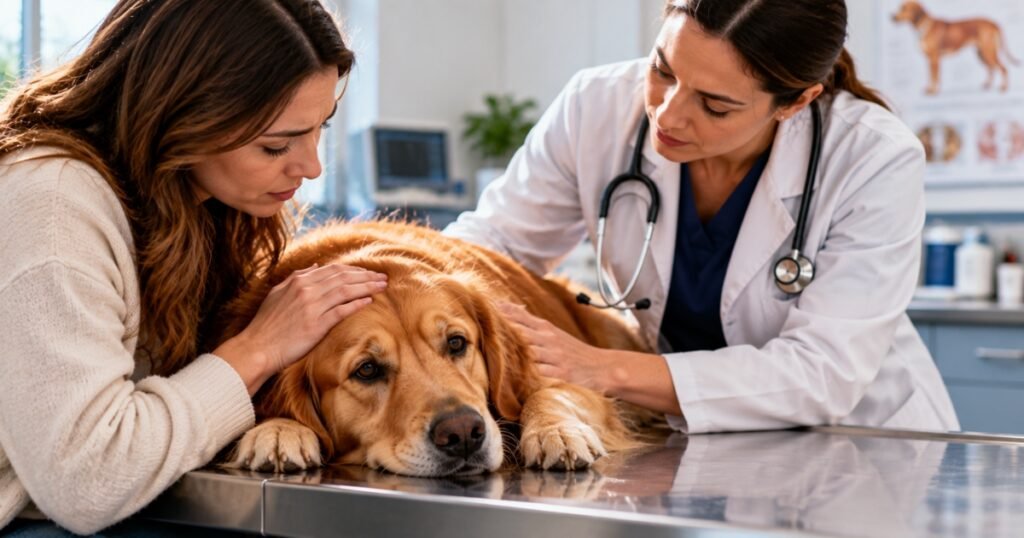
Home care is fine for mild, one-off episodes in an otherwise healthy adult dog. But some signs mean you should stop waiting and get professional help. Call your vet or an emergency clinic if you notice any of the following:
The FDA’s Center for Veterinary Medicine also warns against giving human anti-diarrheal or pain medications without veterinary guidance — several common ones are toxic to dogs. When in doubt, a phone call to your clinic costs nothing and buys peace of mind.
You can’t childproof a curious dog completely, but you can stack the odds in your favor:
Clean, consistent waste pickup genuinely matters for gut health. Dogs investigate other dogs’ stool, and that’s a common route for giardia and intestinal worms. Keeping your own yard and walking routine tidy — with tools from the GoGo Stik shop — is quiet, everyday prevention.
A single episode that resolves within 24 hours in a healthy adult dog, who is still alert and drinking, is usually nothing to panic about. If vomiting and diarrhea continue past 24 hours, recur repeatedly, or come with lethargy or blood, contact your vet right away.
No — not without your vet’s okay. Several over-the-counter human medications, including certain anti-diarrheals and pain relievers, are dangerous or outright toxic to dogs. Always call your veterinarian before giving anything.
Start with a bland diet of boiled plain chicken and white rice, or plain canned pumpkin, in small, frequent portions. Once your dog keeps food down comfortably, transition back to their normal diet gradually over two to three days.
Both matter, but together they raise dehydration risk faster than either alone. Repeated fluid loss from both ends is the main reason simultaneous symptoms warrant closer watching — and quicker veterinary care in puppies, seniors, or dogs with chronic conditions.
Dog vomiting and diarrhea is stressful, but a calm, methodical response — rest the gut, offer water, watch for red flags, and reintroduce food gently — resolves most mild cases at home. Know the warning signs, keep your vet’s number handy, and stay stocked with the right cleanup gear so you can focus on comforting your dog instead of scrambling for supplies.
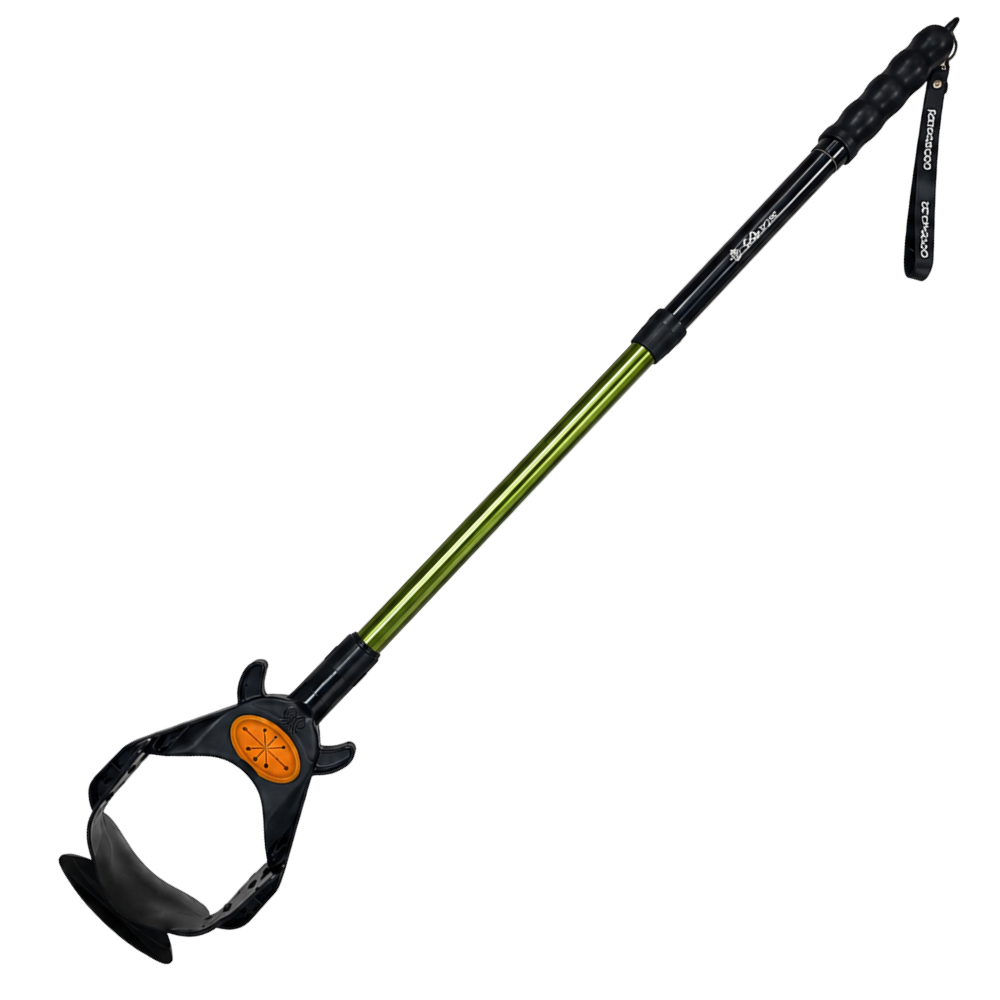
Ready to handle the messy moments with confidence? Explore leakproof bags, pet wipes, and patented no-touch scoopers at the GoGo Stik / Pooch Approved Products store and keep your home cleaner through every tummy upset.

Alec Beaton is the Founder & Inventor of Pooch Approved Products and GoGo Stik®. Inspired by real-life pet parenting, he turns everyday cleanup challenges into simple, innovative solutions that make life better for pets and their people.
Does a dog grass pad really work? See real pros, cons, cleaning tips, and the best poop bags to keep your indoor potty fresh in 2026.
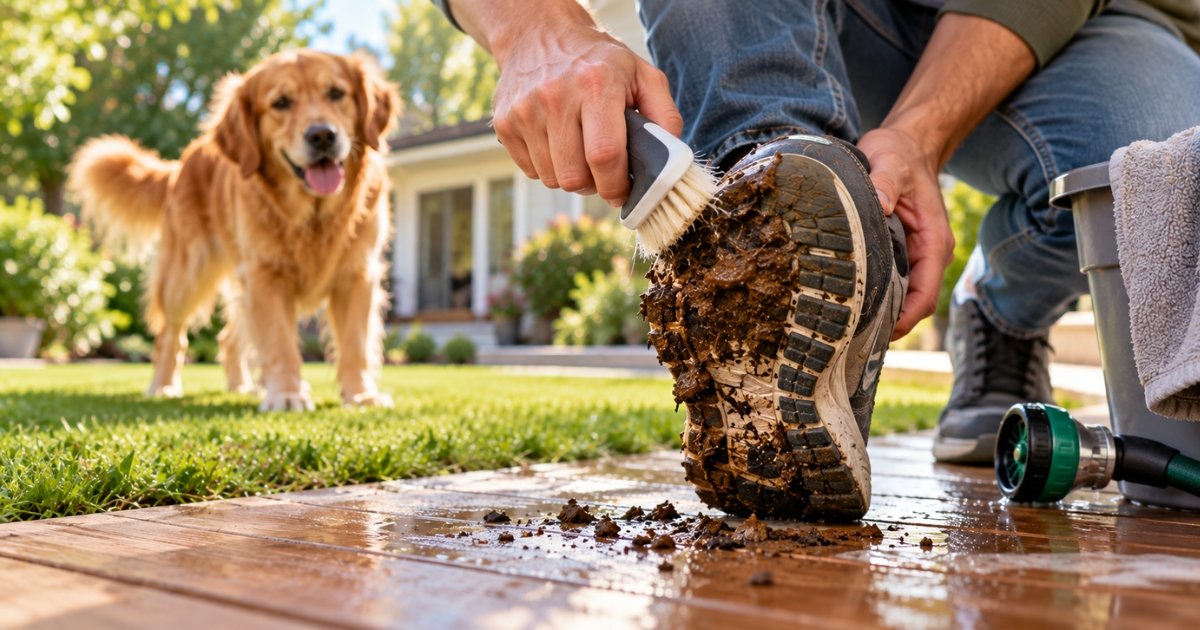
Learn how to get dog poop off shoes fast without gagging. Step-by-step cleaning for treads, suede & canvas, plus odor-killing tips that actually work.
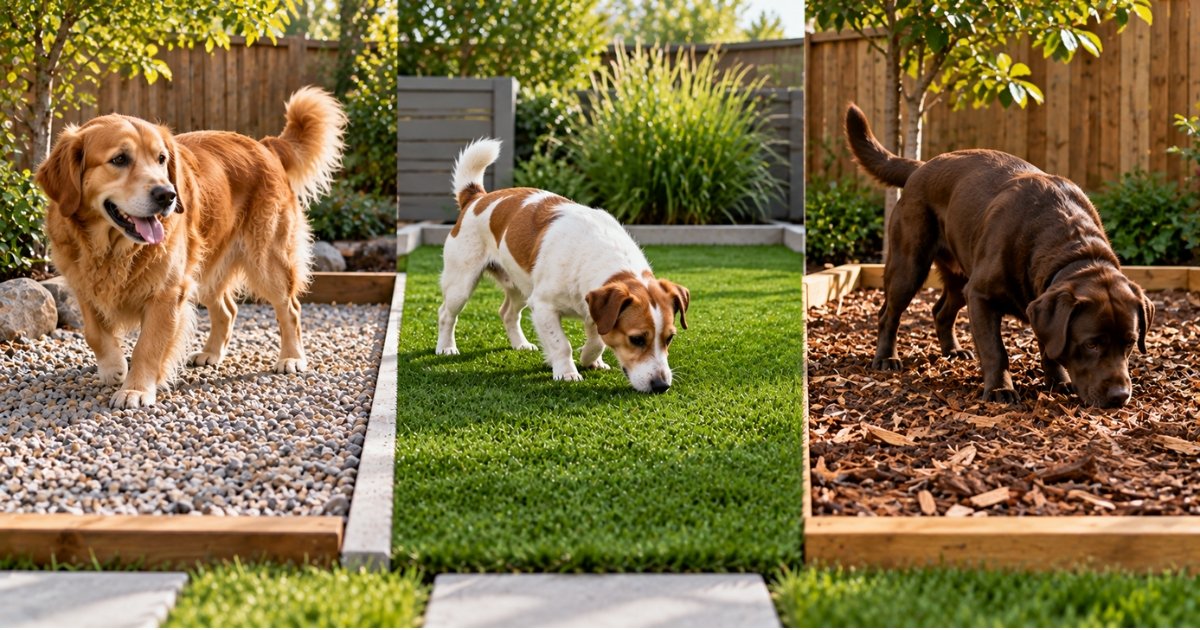
Compare the best dog potty area ideas—pea gravel, artificial turf, and mulch—for drainage, cleanup, and cost. Find the right pick for your yard in 2026.