Dog Health & Wellness
Bland Diet for Dogs: Chicken & Rice Done Right
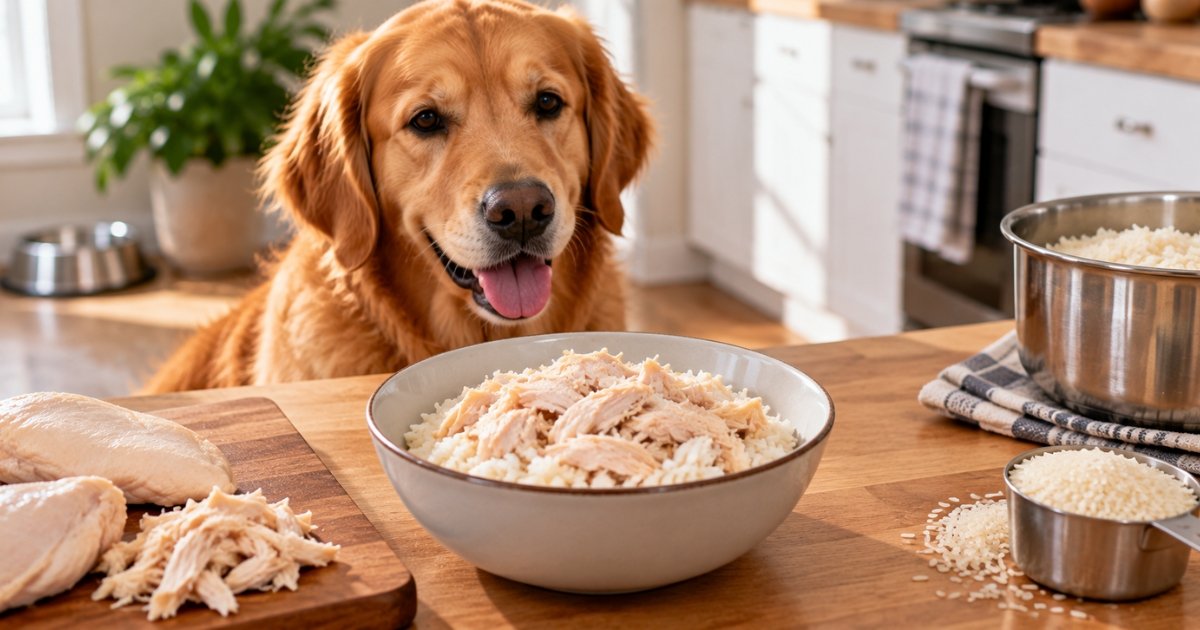
A bland diet for dogs can calm an upset stomach fast. Learn the right chicken & rice ratio, how long to feed it, and when to call your vet.

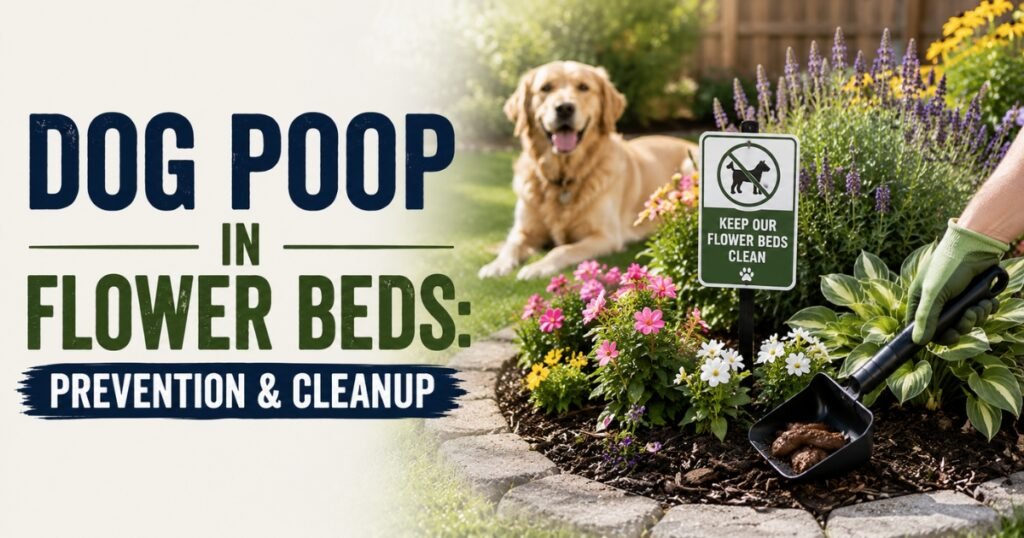
Few things spoil a proud gardener’s morning like spotting dog poop in the garden, tucked right between the tulips or half-buried in the mulch. Whether it’s your own pup or a neighborhood visitor, waste in your flower beds is more than an eyesore — it can burn plants, spread parasites, and leave lingering odor. The good news? With a little prevention and the right cleanup routine, you can keep your beds beautiful and your hands (and roses) clean. This guide walks you through both.
It’s tempting to think dog waste “breaks down naturally” like leaves or grass clippings. It doesn’t work that way. Dog feces is not fertilizer — it’s a contaminant.
Here’s what makes it a genuine issue for gardeners:
Bottom line: waste in your beds needs to be removed promptly and carefully — not tilled in or ignored.
The best cleanup is the one you never have to do. Prevention comes down to redirecting behavior and making your beds less inviting as a bathroom.
For a deeper routine, our guide on keeping a clean, pet-friendly yard pairs well with these bed-specific tactics.
| Product | Price | |
|---|---|---|
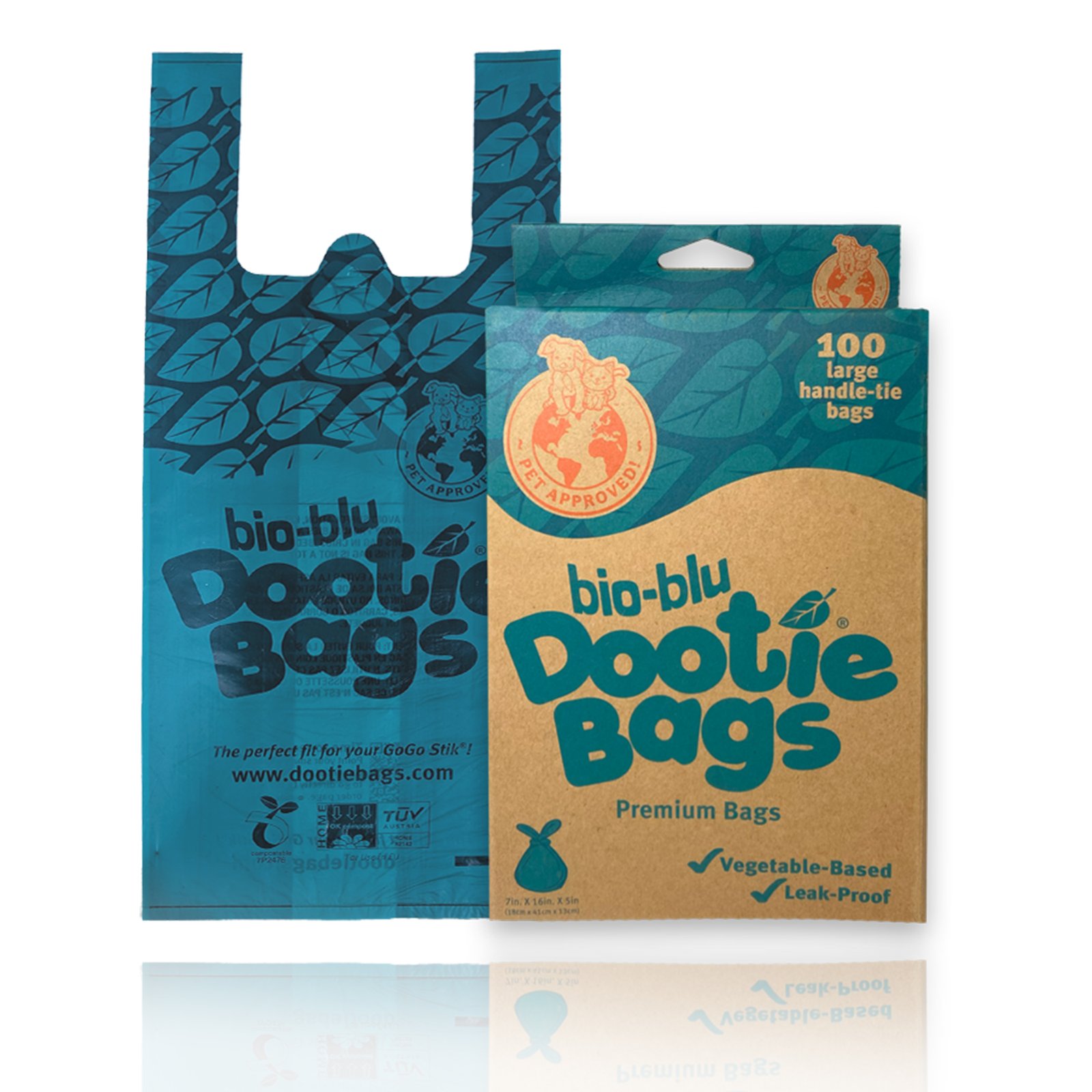
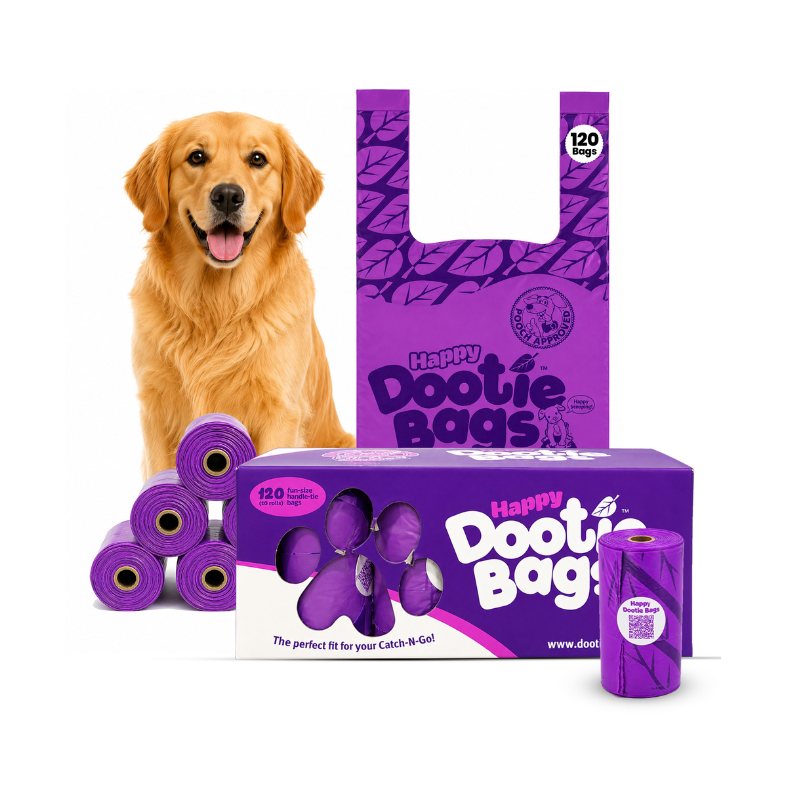
| XP PRO Scooper and Rake-Spade Set Bundled with100 HEAVY Dootie Bags | $15.95 | Order Now → |
| GoGo Stik® XP Pooper Scooper & Dootie Rake Set with Dootie Bags | $33.99 | Order Now → |
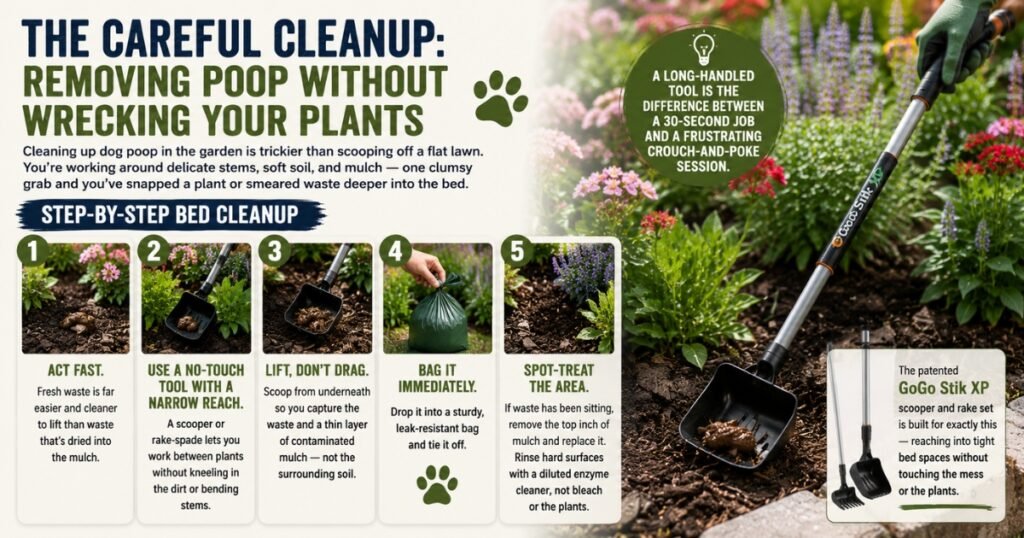
Cleaning up dog poop in the garden is trickier than scooping off a flat lawn. You’re working around delicate stems, soft soil, and mulch — one clumsy grab and you’ve snapped a plant or smeared waste deeper into the bed. Precision matters.
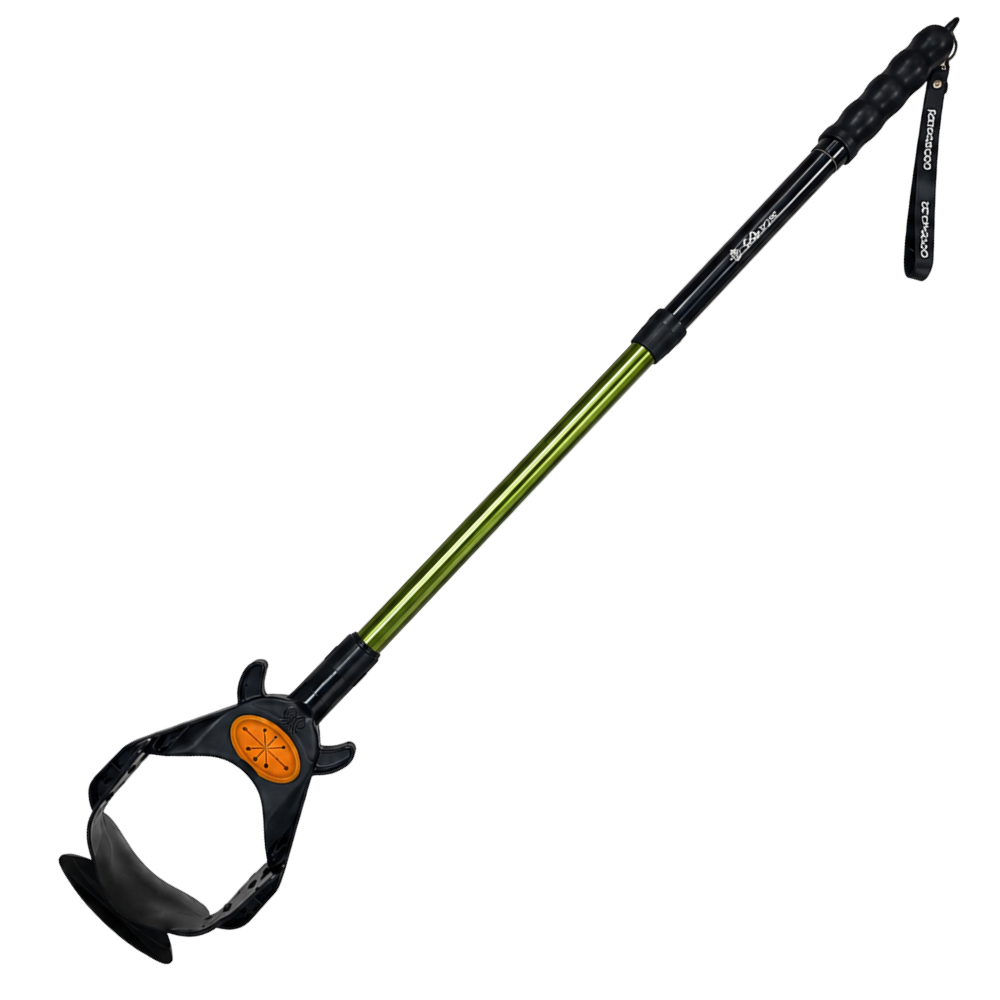
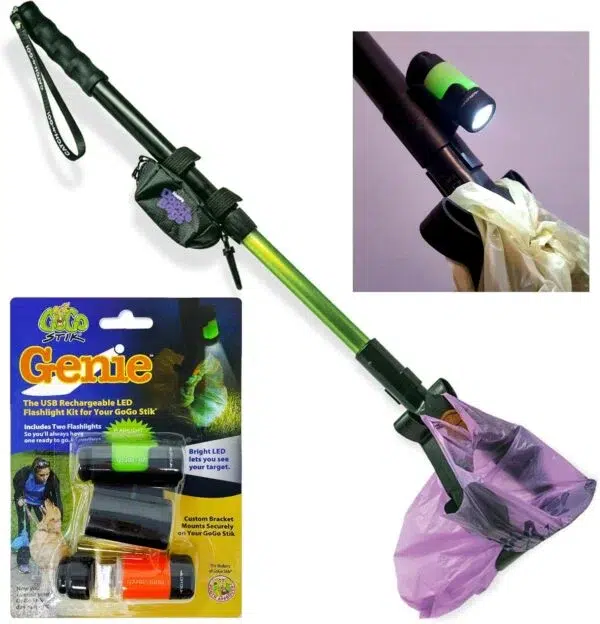
A long-handled tool is the difference between a 30-second job and a frustrating crouch-and-poke session. The patented GoGo Stik XP scooper and rake set is built for exactly this — reaching into tight bed spaces without touching the mess or the plants.
This is the mistake that catches well-meaning gardeners. Dog poop should not go into your regular compost pile or be dug into flower beds as “free fertilizer.”
Standard backyard compost rarely reaches the sustained 140–160°F needed to kill dog-waste pathogens, which is why the U.S. Environmental Protection Agency recommends bagging and trashing it or using a dedicated pet-waste digester. Play it safe:
Speed and reach are everything when you’re navigating flower beds. Our tester’s tip after years of yard cleanup: keep a dedicated no-touch tool and a roll of heavy bags stored together by the back door, so cleanup never gets postponed. A grabbed-in-time mess is a 30-second fix; a forgotten one becomes a stained, smelly chore.
Look for these features:
Browse the full lineup of no-touch scoopers and yard cleanup tools in our shop to match the right kit to your garden size.
Yes. Dog poop in the garden is too acidic and nitrogen-heavy to act as safe fertilizer, and it can burn roots and foliage. It also carries pathogens that survive in soil. Remove it promptly rather than letting it break down among your plants.
Scoop it quickly while it’s fresh using a no-touch tool with a narrow reach, lifting from underneath to capture a thin layer of contaminated mulch. Bag it immediately, then replace the top inch of mulch if the waste had been sitting.
No. Backyard compost piles rarely get hot enough to kill dog-waste pathogens like roundworms and giardia. Bag the waste and throw it away, or use a dedicated pet-waste digester — never mix it into compost meant for edible plants.
Combine deterrents: scent repellents like citrus and coffee grounds, low border fencing or dense edge plantings, and motion-activated sprinklers. These redirect passing dogs without needing to confront their owners.
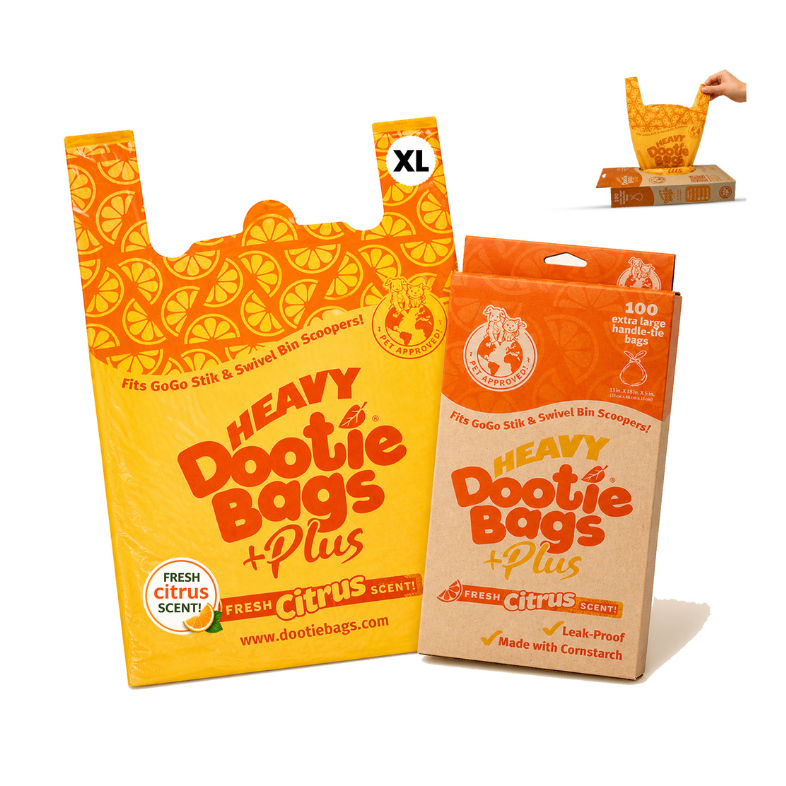
Handling dog poop in the garden comes down to two habits: prevent what you can, and clean up the rest quickly and carefully. Redirect your dog, make your beds uninviting to visitors, and keep a long-handled no-touch tool on hand so cleanup never damages your plants — or your back. Ready to upgrade your routine? Grab a GoGo Stik scooper and rake set with heavy Dootie Bags and shop the full range of no-touch cleanup gear to keep your garden thriving.
Alec Beaton is the Founder & Inventor of Pooch Approved Products and GoGo Stik®. Inspired by real-life pet parenting, he turns everyday cleanup challenges into simple, innovative solutions that make life better for pets and their people.
A bland diet for dogs can calm an upset stomach fast. Learn the right chicken & rice ratio, how long to feed it, and when to call your vet.
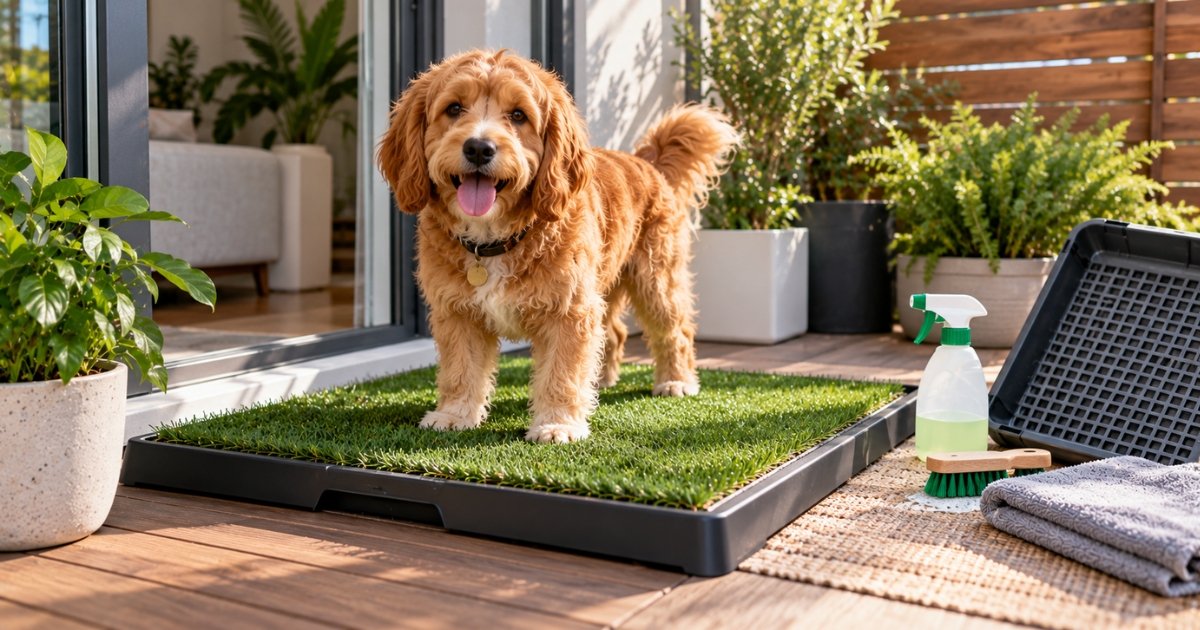
Does a dog grass pad really work? See real pros, cons, cleaning tips, and the best poop bags to keep your indoor potty fresh in 2026.
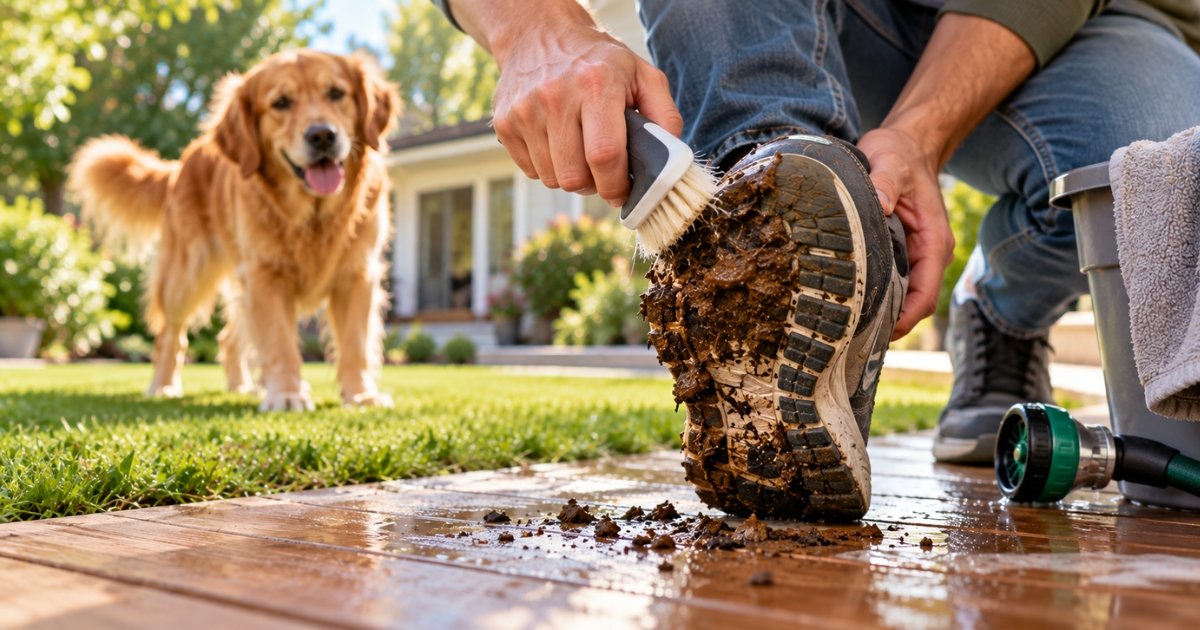
Learn how to get dog poop off shoes fast without gagging. Step-by-step cleaning for treads, suede & canvas, plus odor-killing tips that actually work.