
General
How to Get Dog Poop Off Shoes (Fast, No Gagging)
Learn how to get dog poop off shoes fast without gagging. Step-by-step cleaning for treads, suede & canvas, plus odor-killing tips that actually work.
 Skip to content
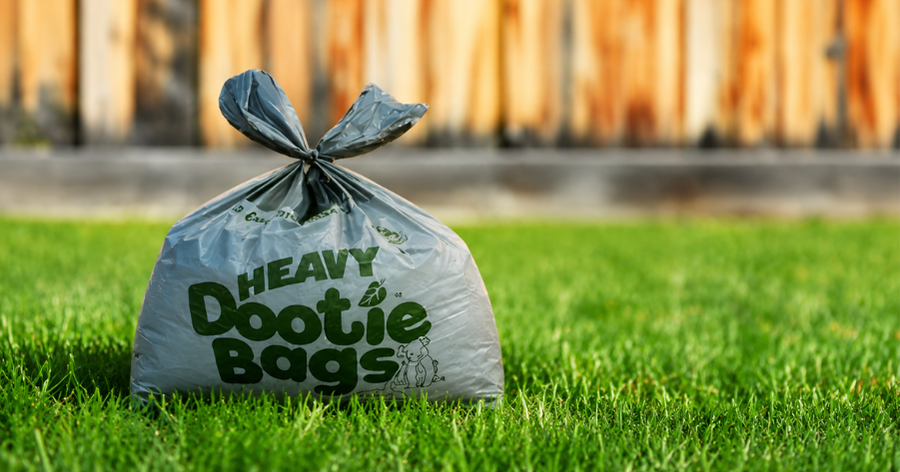
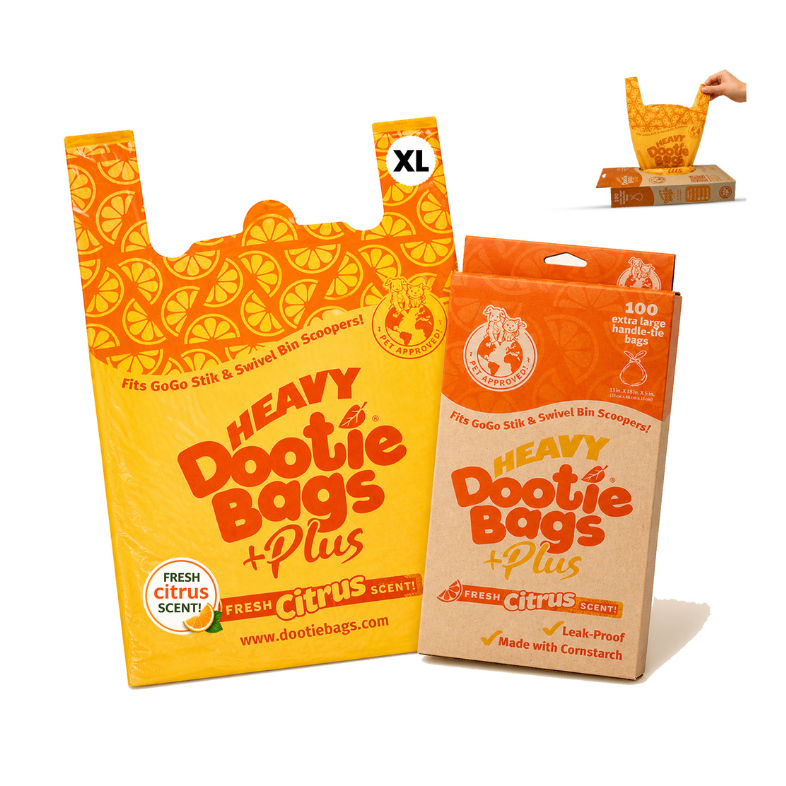
You’re halfway through a morning walk, your golden retriever squats on the neighbor’s lawn, and you reach into your pocket only to pull out a bag that’s too thin, barely big enough, or worse, has a tiny hole in it. That’s exactly whyHeavy Dootie Extra-Large Poop Bags. exist thick, leak-proof, and built for every size dog. . We’ve all been there. The wrong dog waste bags can turn a peaceful walk into a cringe-worthy moment.
Choosing the right dog waste bags isn’t glamorous, but it matters more than most pet owners realize. The right bag means cleaner hands, no leaks, less odor, and less plastic polluting parks and landfills. This guide covers everything you need to know from what to look for, to which features are actually worth paying for.
Dog waste bags are more than just plastic bags; they’re a basic responsibility tool for every pet owner. Dog feces carries harmful pathogens like E. coli, salmonella, and roundworms. When left on the ground, rainwater can wash these bacteria into storm drains and local waterways. That’s a public health problem, not just an etiquette issue.
Most cities and municipalities in the U.S. require dog owners to pick up after their pets, with fines ranging from $50 to $250 for violations. But beyond legal obligations, using proper poop bags is simply the right thing to do for your neighborhood, your parks, and your community.
Good dog waste bags offer:
The market for dog waste bags has expanded dramatically. Here’s how the main types break down:
Standard plastic bags are the most common and cheapest option. They’re durable and leak-resistant but can take hundreds of years to break down in landfills. If budget is your top priority, these do the job but the environmental cost is real.
Biodegradable dog waste bags are designed to break down faster than conventional plastic, typically using additives that help the material fragment over time. However, “biodegradable” doesn’t always mean environmentally friendly; many still require specific conditions to fully degrade.
Compostable dog waste bags are made from plant-based materials like cornstarch and break down completely in industrial composting facilities. They’re the gold standard for eco-conscious pet owners. If sustainability matters to you, compostable poop bags are worth the slight price premium.
With dozens of options on the market, finding the best dog waste bags for your situation comes down to a few key factors:
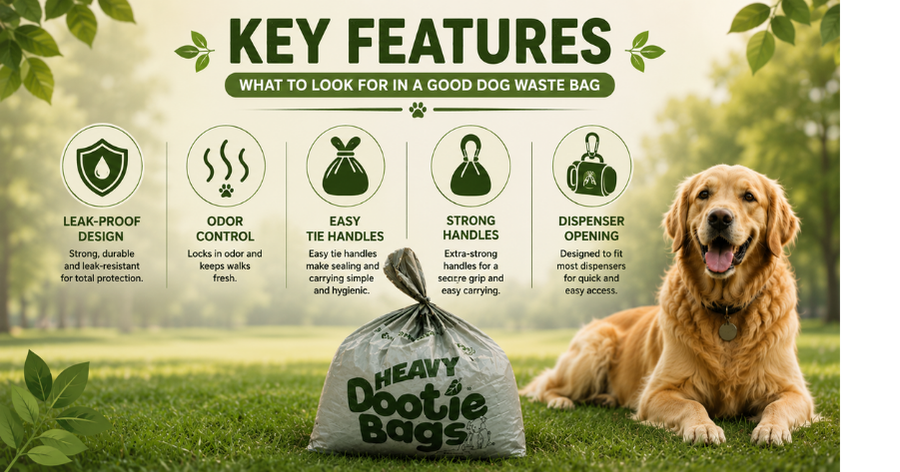
Not all dog waste bags are created equal. Here’s what separates a truly good bag from a frustrating one:
Leak-proof design: Look for double-sealed seams and high-density polyethylene (HDPE) or plant-based construction. A single-layer bag with weak seams is an accident waiting to happen.
Odor control: Activated charcoal liners or scented coatings make a noticeable difference on hot days or long walks home. Some premium dog waste bags include a built-in tie handle that traps odor inside once sealed.
Easy open tabs: Cold mornings and fumbling fingers are a bad combination. Easy-open tabs or pre-separated bags save time and frustration.
Handles or tie loops: A bag with tie-off handles means you’re not holding a knot between your fingers for the next half mile.
Dispenser compatibility: Most roll-based poop bags are designed to fit standard leash dispensers. Double-check dimensions if you use a clip-on holder.
Short answer: yes, especially if you walk your dog daily. Americans own over 90 million dogs, and if each dog produces one bag of waste per day, that’s 90 million plastic bags potentially entering the waste stream every single day.
Eco-friendly dog waste bags, particularly certified compostable options, offer a meaningful reduction in plastic pollution. They’re typically made from materials like PBAT (a biodegradable co-polyester) or cornstarch blends, which break down much faster under the right conditions.
Yes, they cost slightly more than standard poop bags, maybe $2 to $5 more per package. But for a product you use every day, that’s a small price for a significantly lower environmental footprint. Many dog owners find thatswitching to biodegradable dog waste bags is one of the simplest green choices they can make. Explore Heavy Dootie Eco-Friendly Poop Bags made with sustainability in mind.
Some dog owners still use grocery bags or newspapers to pick up waste. While resourceful, these alternatives have real drawbacks. Grocery bags aren’t always odor-resistant, often have holes from prior use, and aren’t sized or structured for waste pickup. Newspapers are messy and offer zero containment.
Dedicated dog waste bags are engineered specifically for pet waste disposal with the right thickness, dimensions, and seal strength. The difference in reliability is significant, especially for daily use. Pet waste disposal doesn’t need to be complicated, but it does need to be consistent and hygienic.
Some are, but not all. Look for certified compostable dog waste bags bearing ASTM D6400 or EN 13432 labels. “Biodegradable” alone is not a regulated claim in the U.S. and may not mean the bag breaks down quickly or fully.
Bags with thick walls, tie-off handles, and scented liners (lavender or baby powder) perform best for odor control. Bags with activated charcoal technology are also effective, especially in warm weather or on long walks.
No, most dog waste bags, including biodegradable and compostable ones, should not be flushed. They can damage sewer infrastructure. Always dispose of poop bags in the trash.
Choosing the right dog waste bags is one of those small decisions that makes a big difference in your daily dog-ownership experience. The right bag protects your hands, controls odor, prevents leaks, and if you choose eco-friendly options reduces your environmental impact one walk at a time.
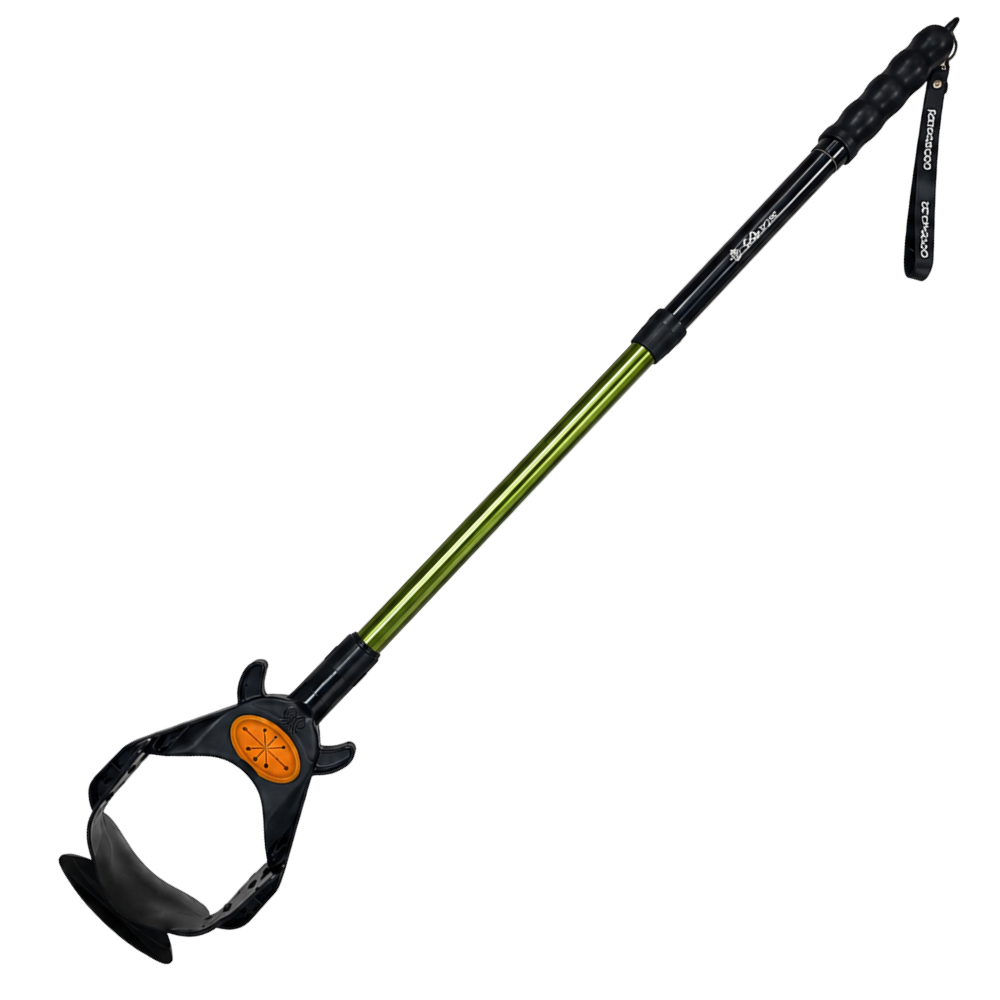
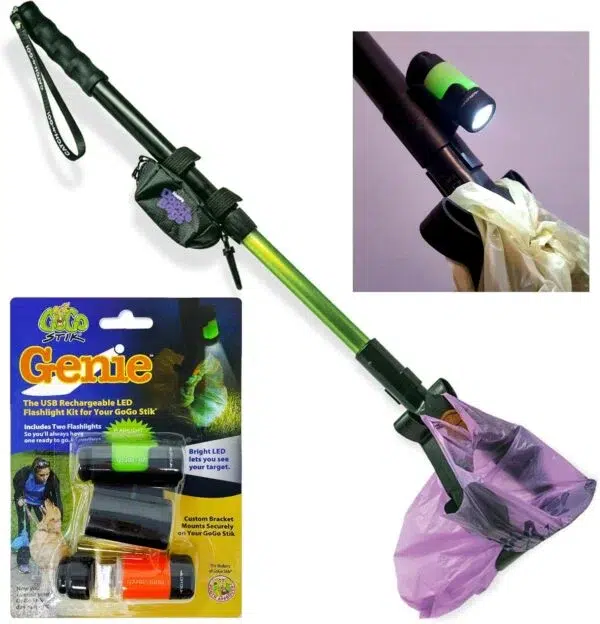
Whether you’re looking for leak-proof protection or odor-neutralizing solutions for long walks, Heavy Dootie Poop Bags by GoGo Stik deliver on all fronts. , there’s a product built for your needs. The key is knowing what to look for and not defaulting to the cheapest option at the checkout line.
Dog waste management doesn’t have to be complicated, it just has to be reliable, hygienic, and ideally, kind to the planet.

Alec Beaton is the Founder & Inventor of Pooch Approved Products and GoGo Stik®. Inspired by real-life pet parenting, he turns everyday cleanup challenges into simple, innovative solutions that make life better for pets and their people.
Learn how to get dog poop off shoes fast without gagging. Step-by-step cleaning for treads, suede & canvas, plus odor-killing tips that actually work.
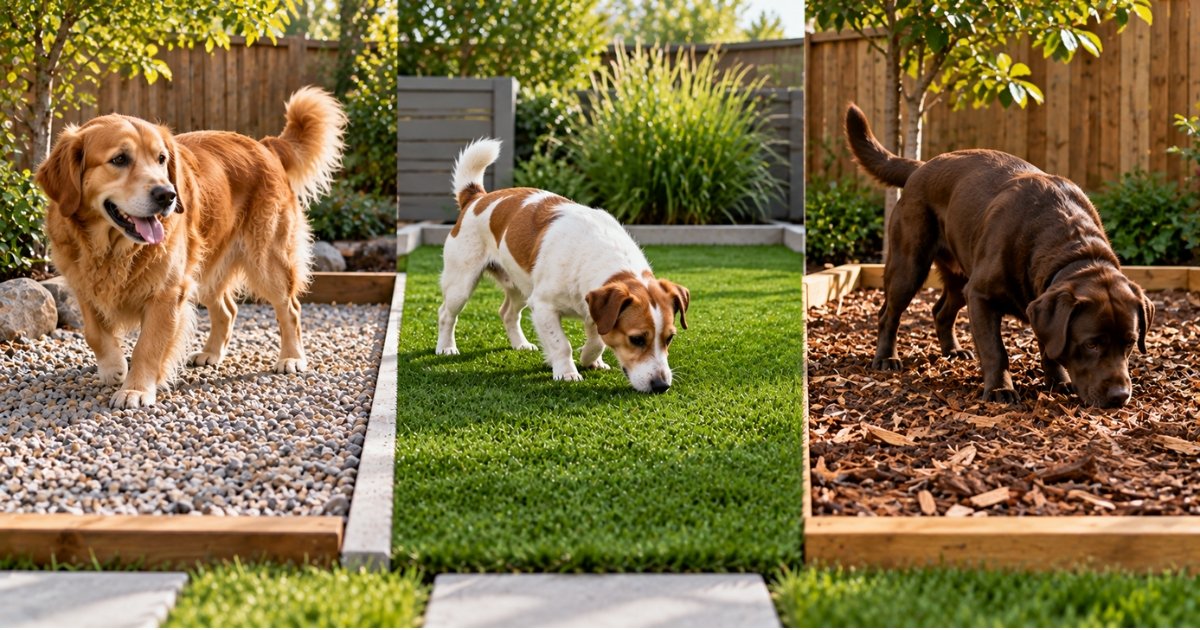
Compare the best dog potty area ideas—pea gravel, artificial turf, and mulch—for drainage, cleanup, and cost. Find the right pick for your yard in 2026.
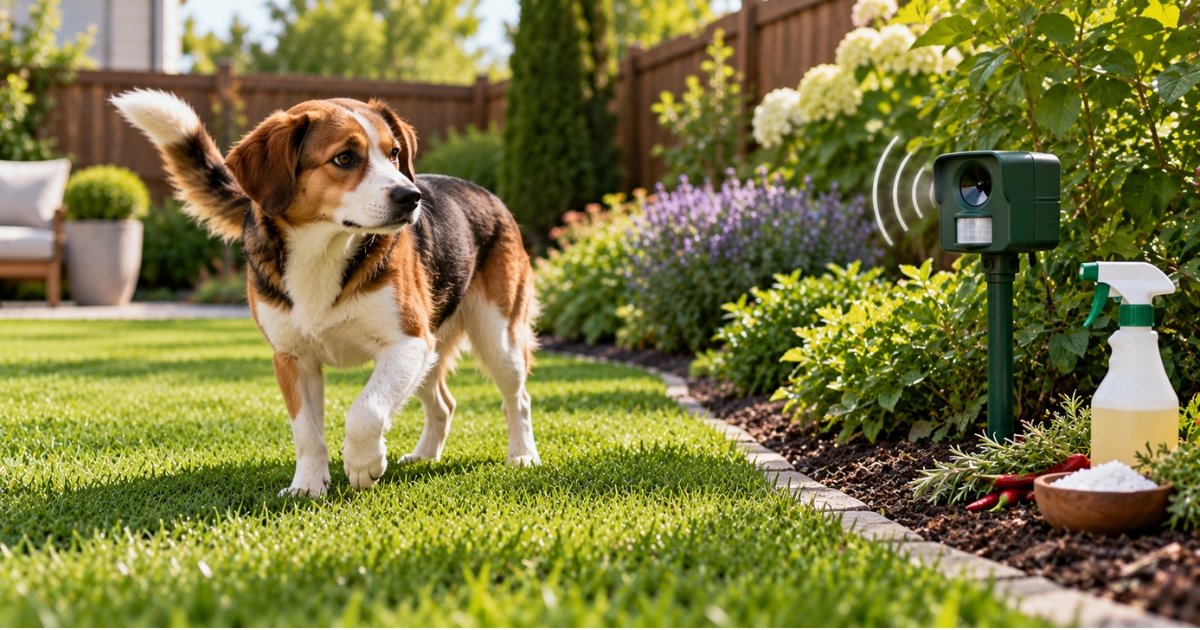
Looking for a dog repellent for lawn that’s safe and effective? See what actually works, what’s cruel to avoid, and humane fixes that keep grass green.