Dog Poop Etiquette & Rules
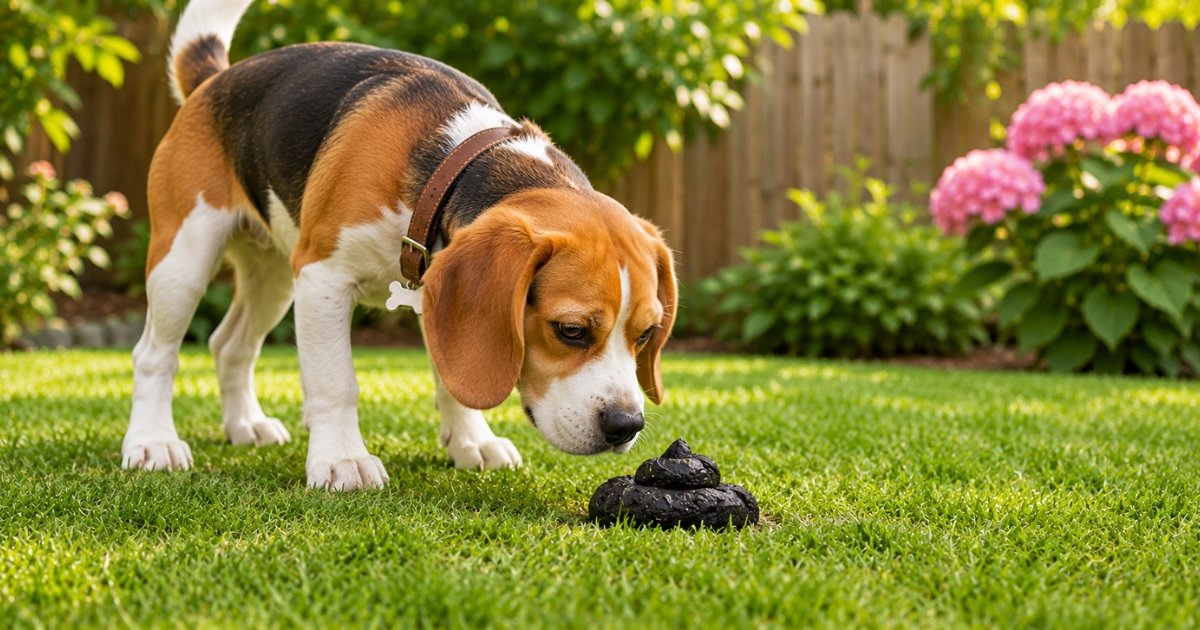
Black Dog Poop: 6 Causes You Should Never Ignore
Black dog poop that looks tarry needs a same-day vet call. See 6 causes of dark stool, the paper test, and exactly what to tell your veterinarian.

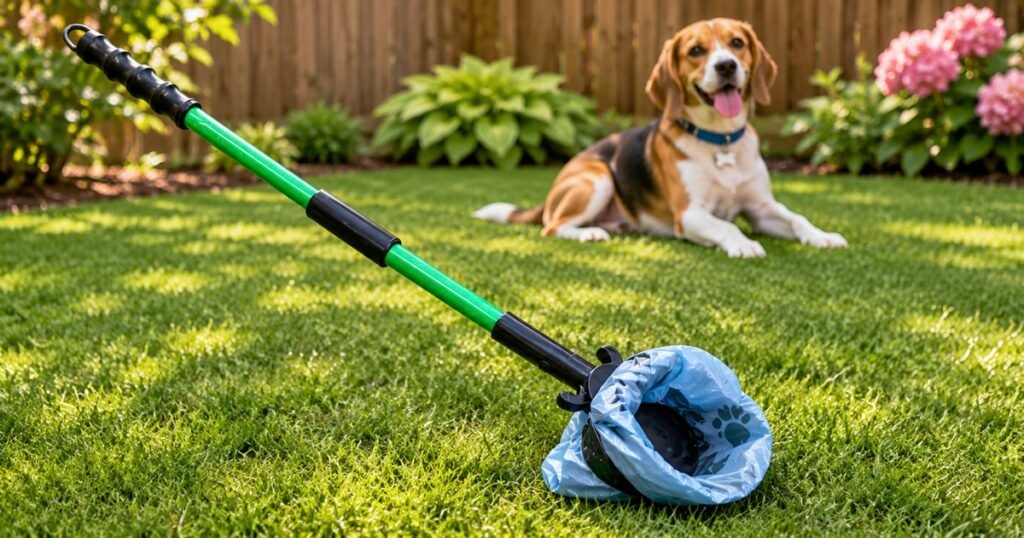
A dog poop scooper is only the right tool if it matches three things: where you clean up, what the ground is made of, and how comfortably your body bends. The specifications on a listing cannot tell you that, which is why so many scoopers end up unused in a garage. Work through the six questions below and the field narrows from dozens of near-identical products to two or three real options.
Search the category and you get a grid of long sticks with jaws on the end. The photos are nearly identical, the bullet points all say easy and hygienic, and nothing in them tells you whether the tool works on bark mulch or whether you can use it with a leash in your other hand.
The useful sorting happens before you compare products at all. It happens when you decide what job you are actually buying for.
This is the fork that decides everything else, and most first-time buyers skip it. A yard tool and a walk tool are solving different problems, and a tool built for one is mediocre at the other.
In the yard you want length so you never bend, a wide enough opening to take a full pile in one pass, and a scooping edge that gets under waste without dragging grass with it. Weight matters less because you are not holding it for 30 minutes.
On a sidewalk you want something light, short enough to carry without clipping your shin, and able to hold a bag open without a second hand. A 37-inch yard tool on a crowded street is awkward; a compact catcher is not.
Surface decides whether a plain scoop is enough. Single-tool buyers are most often disappointed because they bought for grass and then met gravel.
Short grass, concrete, decking and artificial turf give the scoop a hard backing to press against. One tool does the whole job here.
Gravel, bark, mulch, leaf litter and snow move when you push into them. You need a second edge to pull waste against, which is what the EZ Hybrid Dootie Rake-Spade is for. If you are weighing the shapes against each other, the rake vs spade comparison covers which edge suits which surface.
Size sets two numbers: volume per pickup and pickups per trip. A Chihuahua owner can use almost anything. A Great Dane owner needs a scoop that takes the whole pile in one go, because a second pass with a full tool is where mess happens.
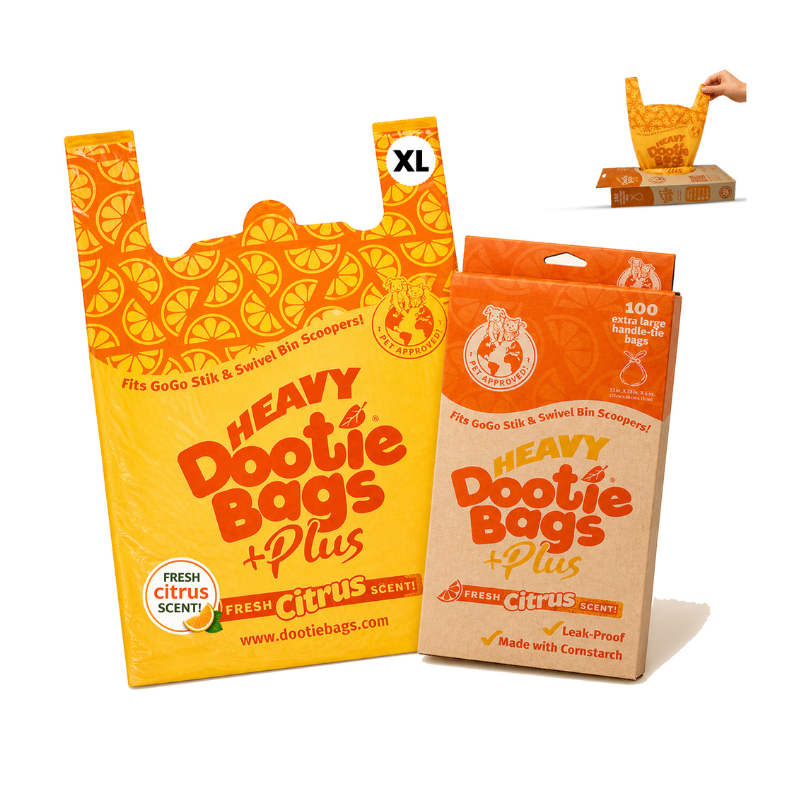
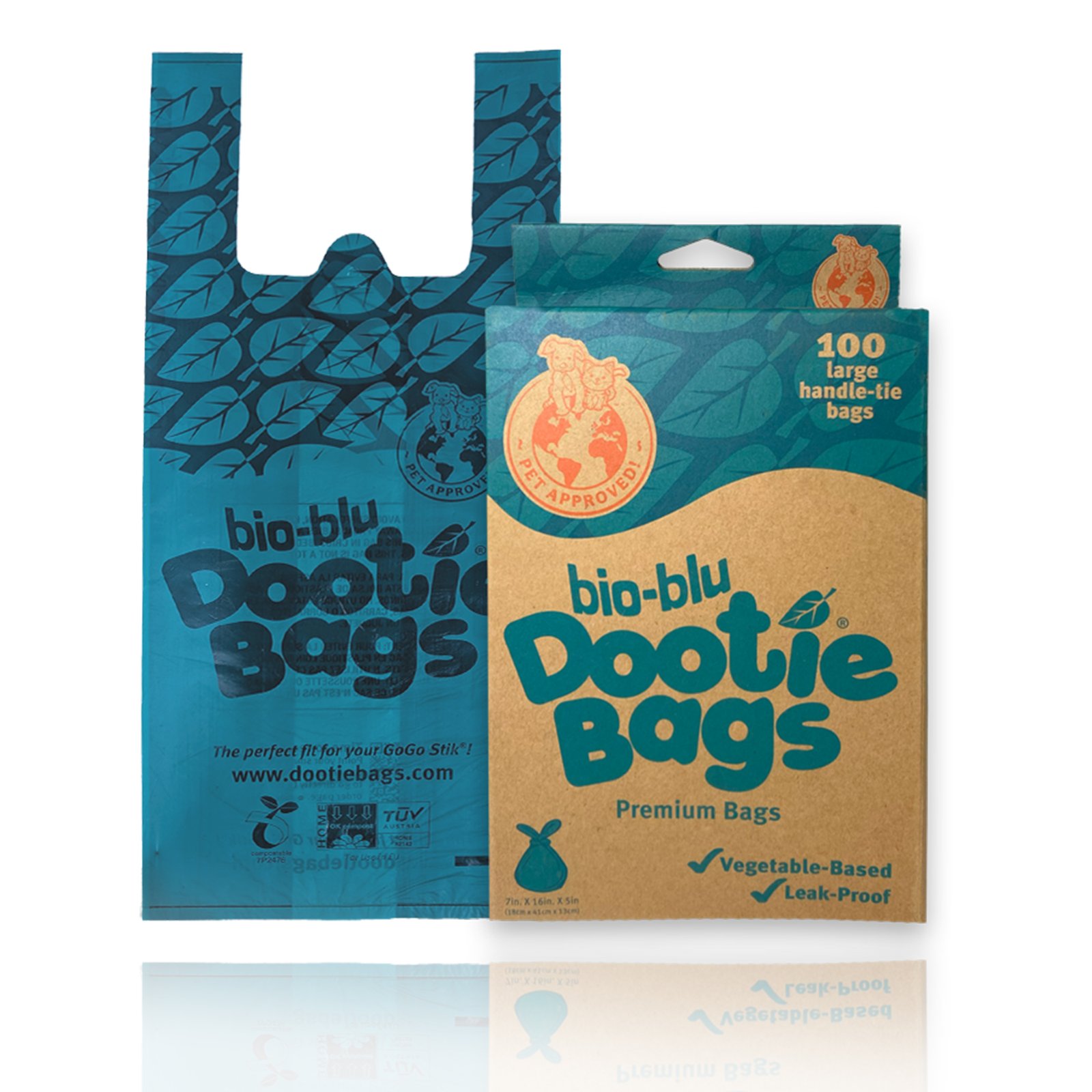
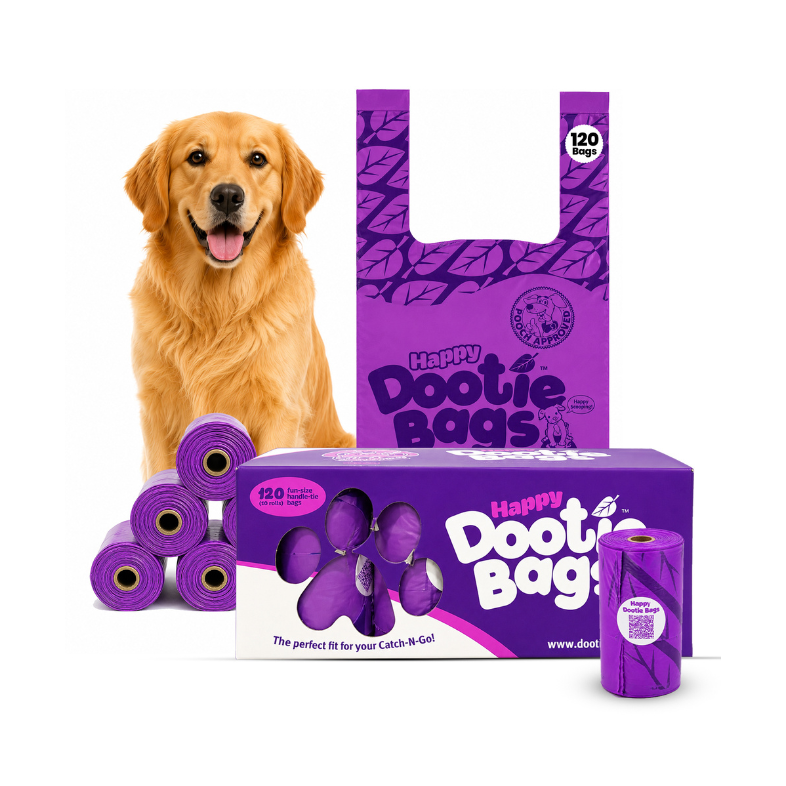
A scoop that holds it and a bag that splits is still a mess on your driveway. Large breeds need genuinely large, leak-proof bags such as Heavy Dootie Bags, not the thin ones sold on a tiny roll. Big-dog owners should read the pooper scoopers for large dogs picks before buying.
Be honest here. Handle length and grip comfort are the single most common reason a pickup tool stops getting used after a month.
Readers dealing with arthritis or back pain should start with the arthritis-friendly scooper picks.
With a strong or reactive dog on the leash, two-handed is not available, so the tool has to open, collect and hold the bag on its own. Rake-and-scoop pairs and most tray designs need both hands, which is fine in the yard and useless on a sidewalk.
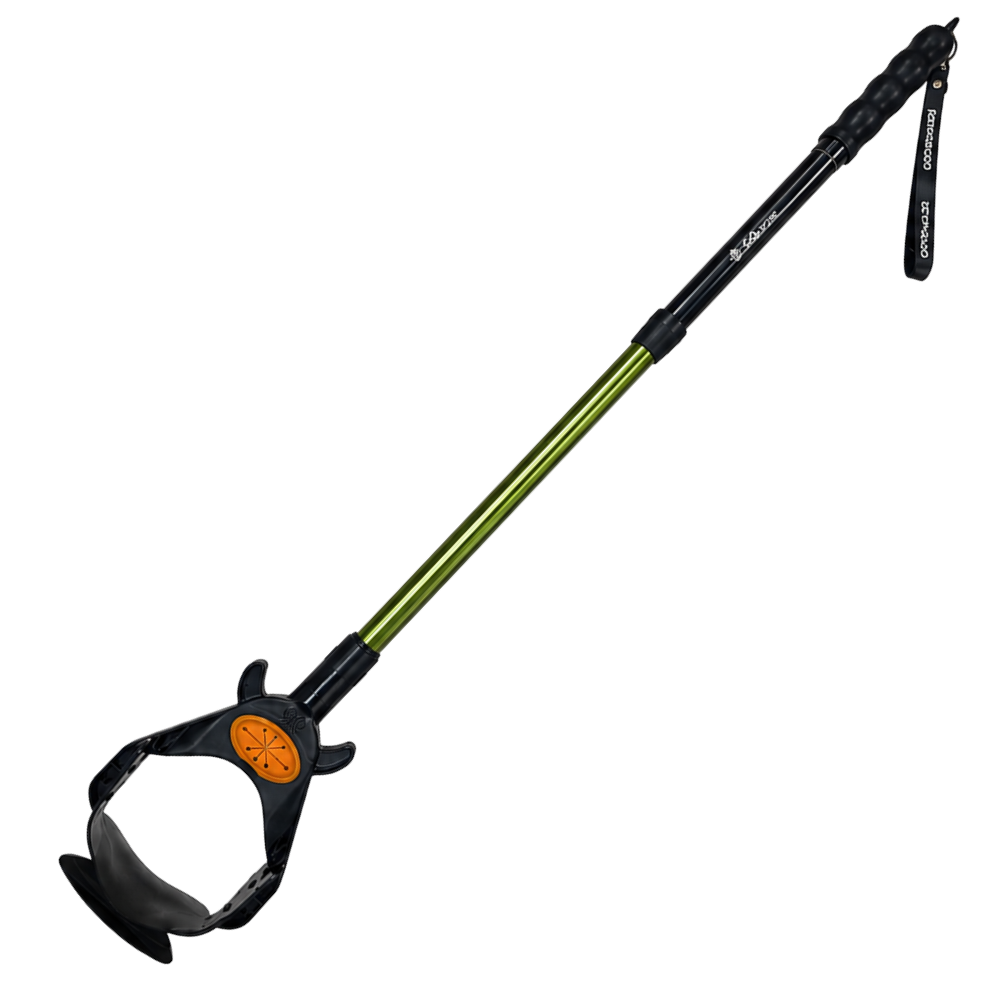
The Catch-N-Go is built for the one-handed case: a telescopic aluminium handle adjustable from 23 to 33 inches, 8 ounces in weight, and short enough to hold under the dog to catch waste before it lands.
Everybody compares scooping and nobody compares the ten seconds afterwards. That is where the annoyance lives.
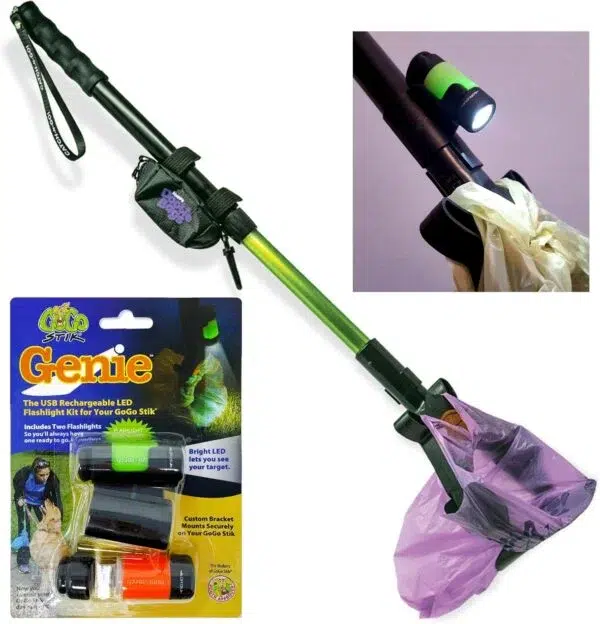
A bag mounted in the tool means you never touch the load and never fumble for a pocket. A separate bag means fewer parts but two hands at the critical moment. The trade-offs are laid out in the scooper with a bag attached rundown.
Ask where it will live. A tool that hangs on a hook by the back door gets used; one that leans in a corner behind the mower does not. Smooth plastic surfaces rinse off with a hose in seconds.
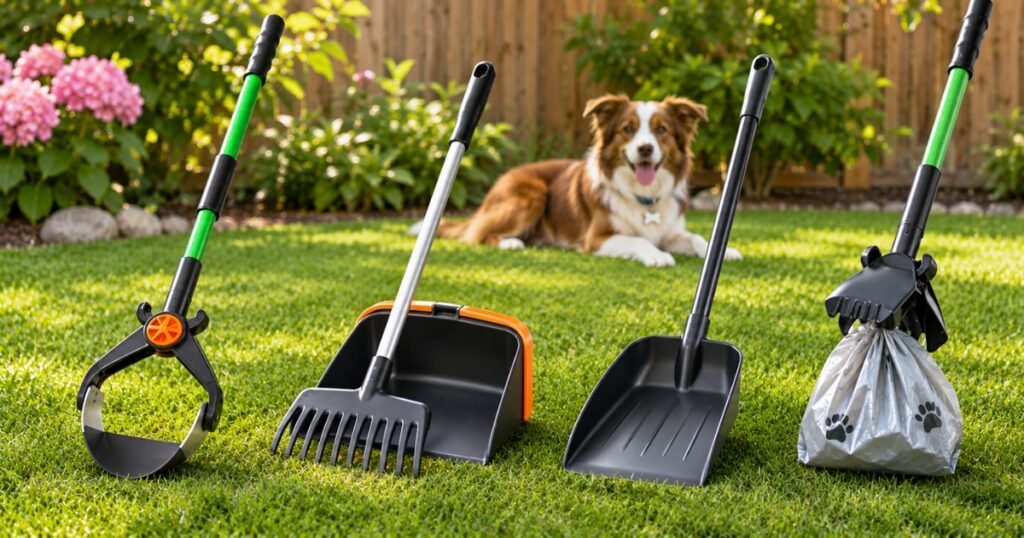
Four basic designs cover almost everything on the market:
Each has a surface it suits and a surface it struggles with, explained in pooper scooper types explained.
Durability failures outdoors are predictable. Tools die at their moving parts, not in the middle of a handle.
Springs, hinges and pivots that live in a wet yard collect grit, corrode and stiffen. Once a spring loses tension, a jaw stops closing cleanly and the tool is finished, even if the rest of it looks new.
The XP Pro Pooper Scooper uses a one-piece 37-inch FRP handle with a comfort grip and no metal parts or springs to rust or seize, and it carries a five-year warranty. The XP Pro long-handle review goes into the reach and release detail.
| Situation | What to look for | Tool shape | Bag setup |
|---|---|---|---|
| Yard, firm ground | Reach, wide opening, clean release | Long-handle scoop | Large bag tied at the bin |
| Yard, loose ground | A second edge to scoop against | Scoop plus rake-spade | Large bag, opened before you start |
| Walks | Light, compact, one-handed | Short telescopic catcher | Bag held in the tool or on the handle |
| Mixed | Two purpose-built tools beat one compromise | Long handle at home, compact on the leash | One bag size that fits both |
If your week is genuinely split, buying two tools costs less frustration than buying one that half-works everywhere.
Some people do not need one. A flat, small, firm-grass yard plus a small dog plus a sturdy bag in your hand is a complete system, and no tool will improve it.
The case for a pickup tool gets strong when any of these appear: a big dog, loose ground, more than one dog, a back that complains, or a yard you cannot cross in a few steps.
Fresh waste is easier to lift and less likely to spread anything. Dog faeces can carry roundworms, hookworms and other parasites that remain a risk in soil after the waste is gone, which is why the American Veterinary Medical Association treats prompt removal as basic parasite control. Daily pickup beats weekly for both reasons.
Not necessarily. For a small dog on firm ground, a strong bag over your hand does the job. A tool earns its place when the pile is large, the ground is loose, the yard is big, or bending down is uncomfortable. If none of those apply to you, save the money and buy better bags instead.
For yard work, stand upright and measure from the floor to your relaxed hand, then buy close to that. Around 37 inches suits most adults without stooping. For walks, shorter is better, roughly 23 to 33 inches, so the tool is easy to carry one-handed and does not swing into your legs or your dog.
It can, but you give something up. A long yard handle is awkward on a sidewalk, and a compact walking catcher makes you stoop in the yard. An adjustable telescopic model is the closest single answer. If you clean up in both places most days, two purpose-built tools usually get used far more than one compromise.
The right dog poop scooper is decided by your ground, your dog’s size and your back, not by which listing has the most bullet points. Answer the six questions, pick the tool shape that matches, then make sure the bag can hold what the scoop collects. Start with the question that applies most to you and follow the linked page from there.

Alec Beaton is the Founder & Inventor of Pooch Approved Products and GoGo Stik®. Inspired by real-life pet parenting, he turns everyday cleanup challenges into simple, innovative solutions that make life better for pets and their people.
Black dog poop that looks tarry needs a same-day vet call. See 6 causes of dark stool, the paper test, and exactly what to tell your veterinarian.
Choosing a dog poop scooper? Six questions about your yard, ground, dog size and mobility narrow a wall of near-identical tools down to the right one.
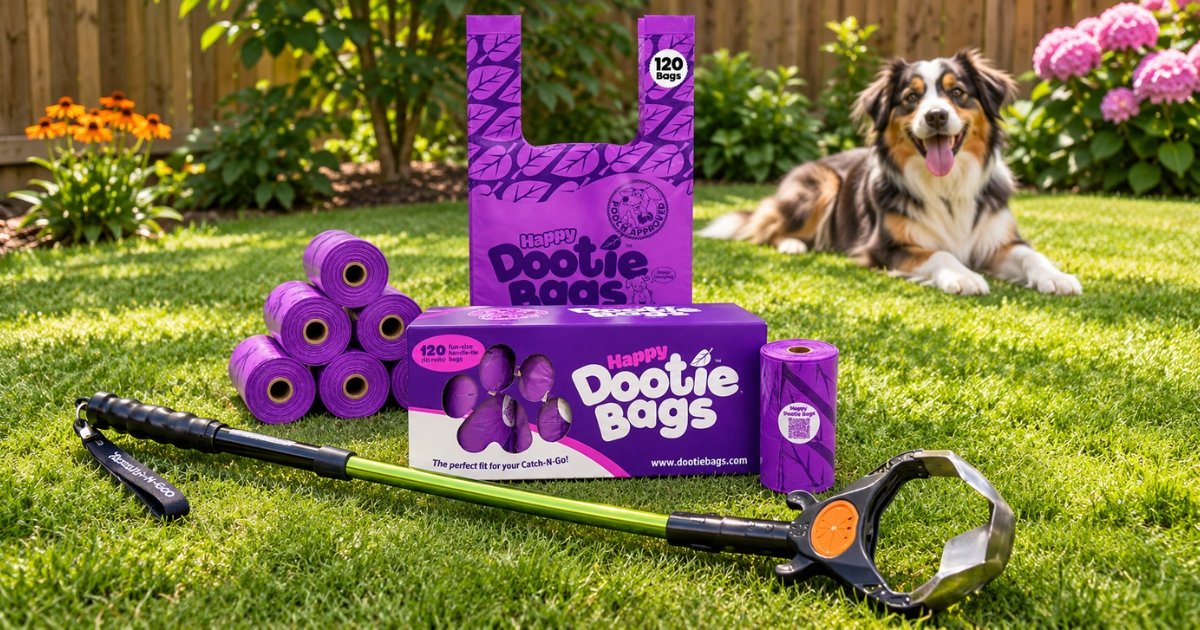
Comparing dog poop scooper bundles? Here is what is in all five GoGo Stik sets, who each one suits, and when a single tool is the smarter buy.