
Pooper Scoopers
Pooper Scooper Business: 9 Things You Need to Start Safe
Thinking of starting a pooper scooper business? An honest look at the daily work, the downsides, the 9 essentials you need, and gear that survives a full route.
 Skip to content
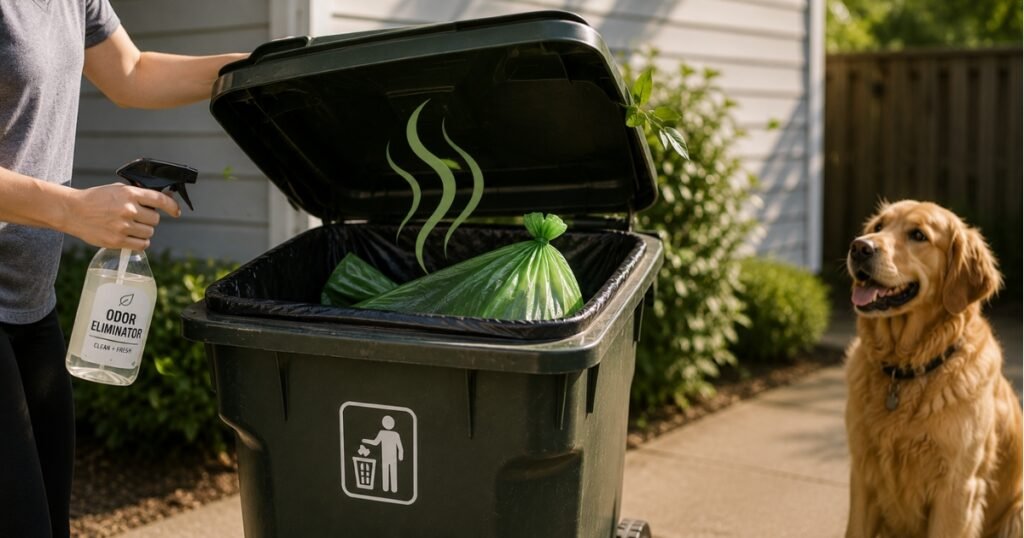
You wheel the bin to the curb, lift the lid, and get hit with that unmistakable wave. If your outdoor trash can smells like dog poop, you are not alone — it is one of the most common (and stubborn) backyard odor problems dog owners face. The good news? A stinky bin is almost always fixable with a few simple habits and the right supplies. In this guide we will walk through exactly why the smell happens and share seven practical, tested ways to stop it fast.
We have scooped a lot of yards over the years, so these tips come from real-world experience — not guesswork. Let’s clear the air.
Understanding the cause makes the cure obvious. When your trash can smells like dog poop, it is usually a mix of bacteria, moisture, and heat working together inside a sealed plastic box.
Fix these four factors and the odor disappears. Here is how.
Work through this list top to bottom. Most people solve the problem after the first three steps.
If you take away one thing, make it this: the bag is your first line of defense. A leaky, flimsy bag guarantees your trash can smells like dog poop no matter how often you clean it. A thick, leakproof bag with a secure tie handle stops the problem at the source.
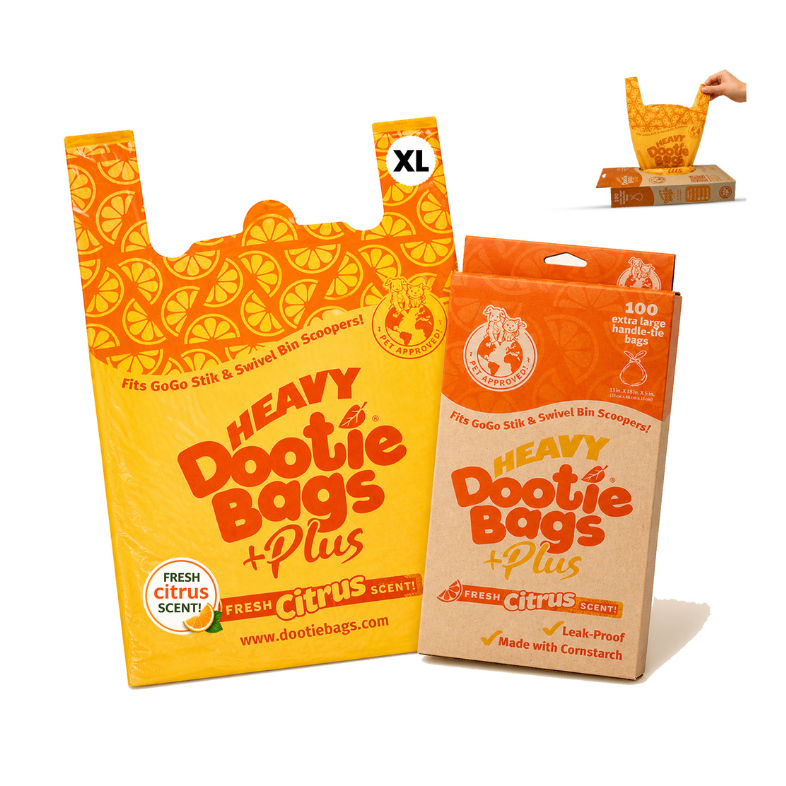
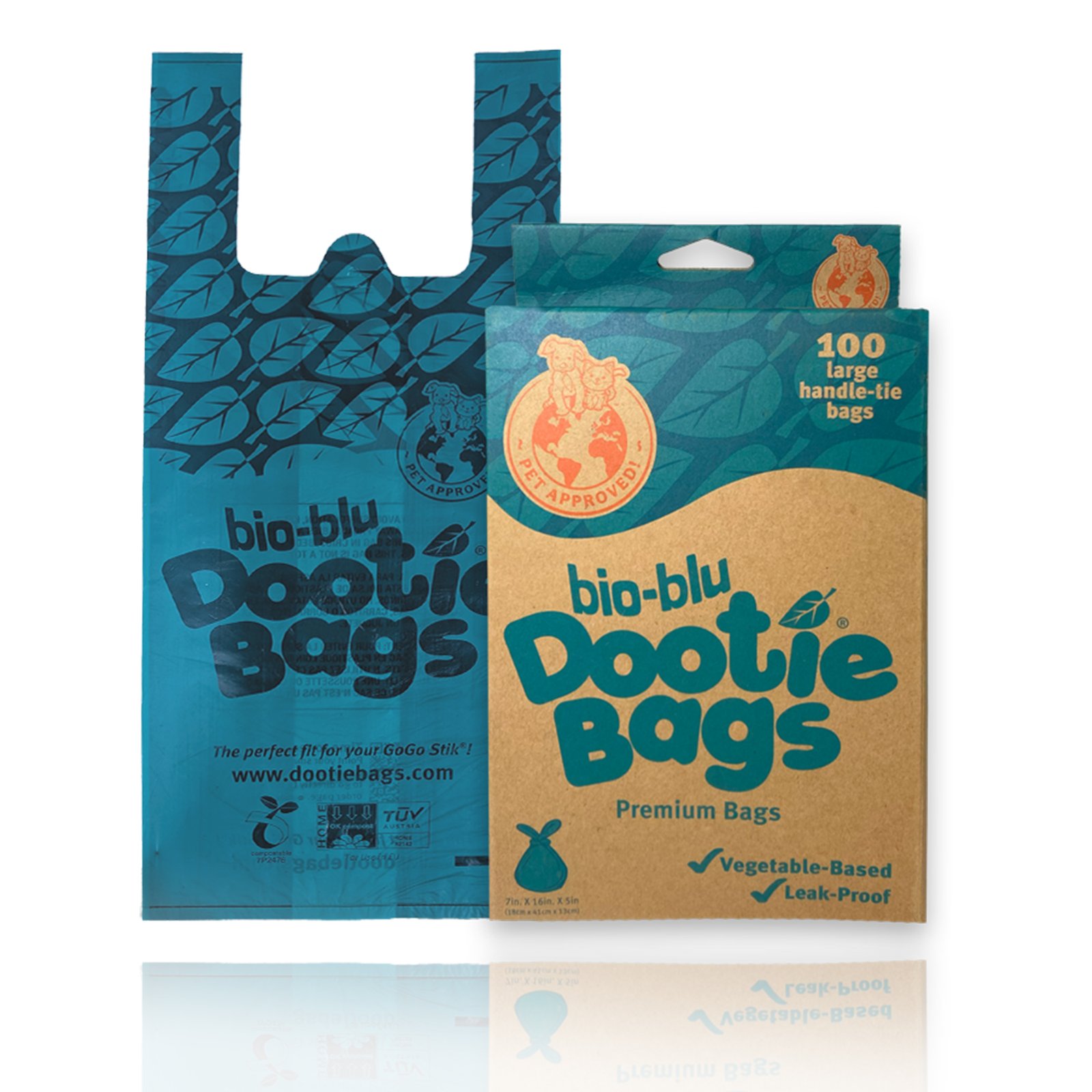
Here is a quick comparison of two reader favorites from our GoGo Stik shop — both leakproof, both with the easy EZ-tie handle, sized for different needs.
For a single small dog, standard Large Dootie Bags are plenty. For big dogs, multiple pets, or households that also scoop litter, the VERY LARGE Heavy Dootie Bags hold more and reduce the chance of an overstuffed bag splitting inside the bin.
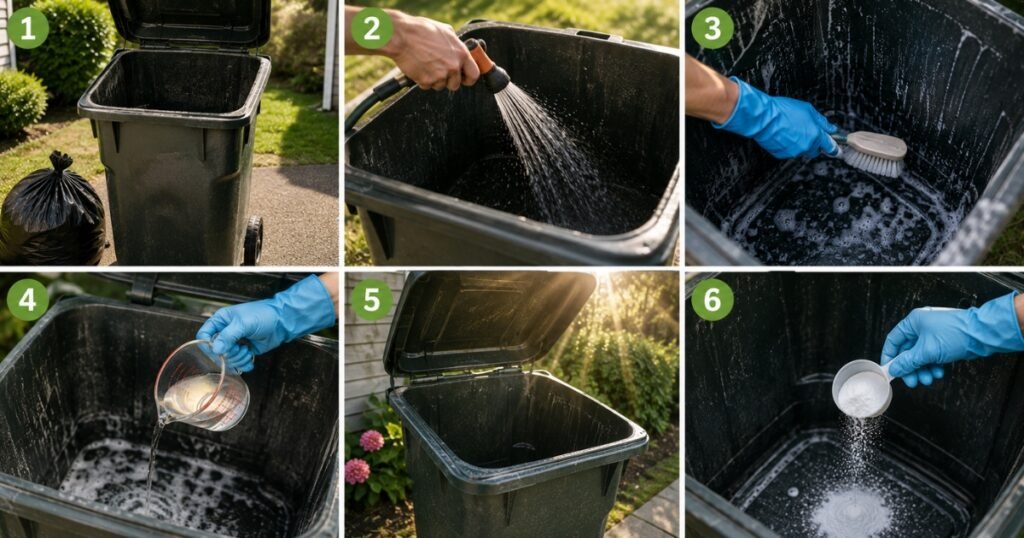
Already living with a funky can? Reset it with a 15-minute deep clean:
According to the U.S. Environmental Protection Agency, pet waste is an environmental pollutant that should always be bagged and disposed of properly — so sealing it well protects your nose and local waterways.
Once your bin is fresh, a few small routines keep it that way through 2026 and beyond:
Residue and bacteria coat the plastic over time. Even an empty can holds smell in scratches and seams. A deep clean with an enzymatic cleaner plus a sun-dry removes the trapped odor for good.
Baking soda and white vinegar are the quickest home fixes — baking soda absorbs odor while vinegar disinfects. For prevention, thick leakproof bags stop the smell before it starts.
Yes. Thin bags leak and tear, which is the number one reason a trash can smells like dog poop. Heavier leakproof bags with a tie handle seal in odor and rarely split, so you clean the bin far less often.
Give it a quick rinse weekly and a full deep clean monthly. In hot summer months, rinse more often and empty the bin every few days rather than weekly.
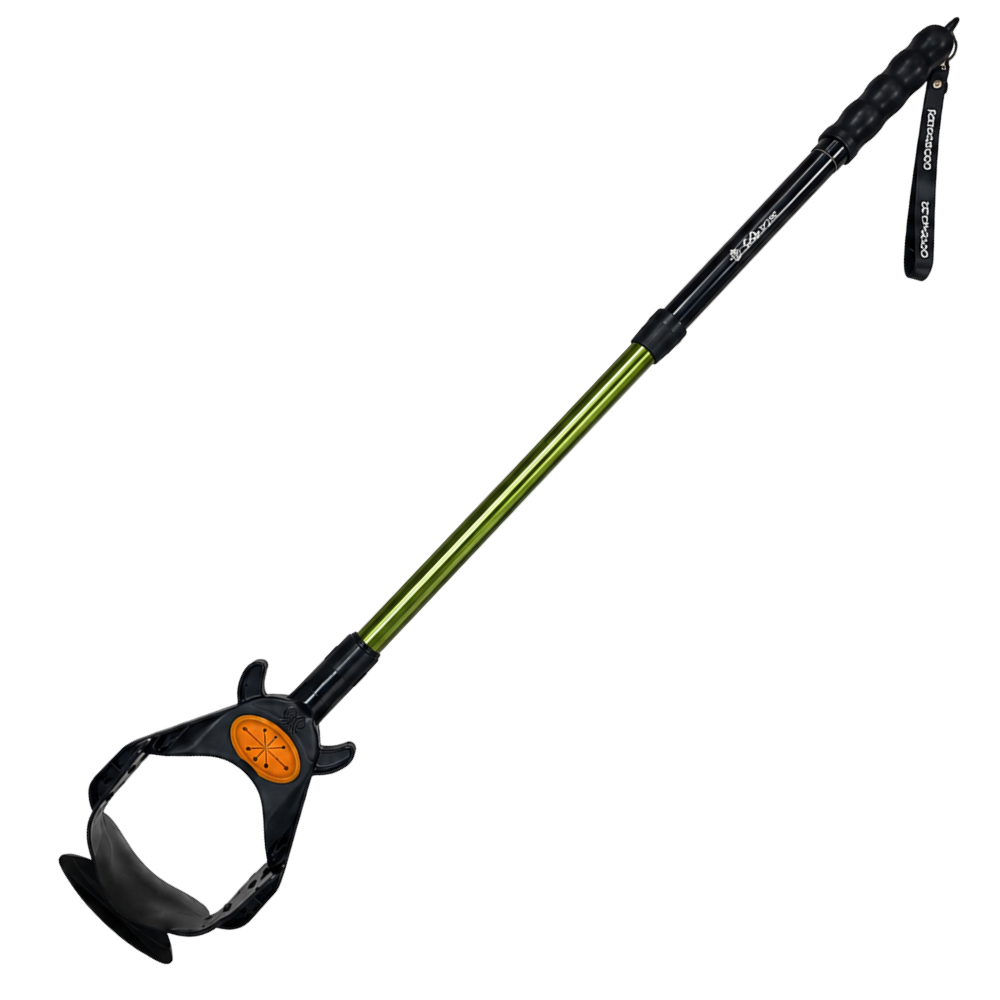
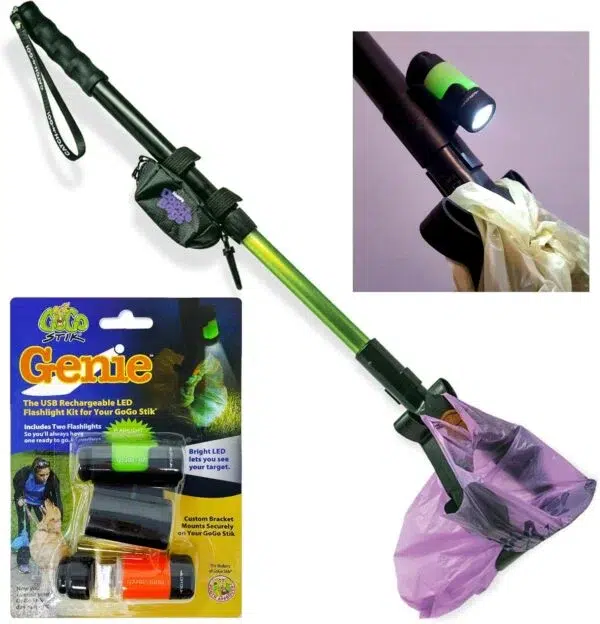
A trash can that smells like dog poop is a solvable problem: seal the waste in leakproof bags, keep the bin cool and dry, and clean it on a simple schedule. Start with better bags and you will notice the difference on day one. Ready to upgrade? Browse leakproof Dootie Bags and no-touch scoopers in the GoGo Stik shop and give your nose — and your neighbors — a break.

Alec Beaton is the Founder & Inventor of Pooch Approved Products and GoGo Stik®. Inspired by real-life pet parenting, he turns everyday cleanup challenges into simple, innovative solutions that make life better for pets and their people.
Thinking of starting a pooper scooper business? An honest look at the daily work, the downsides, the 9 essentials you need, and gear that survives a full route.
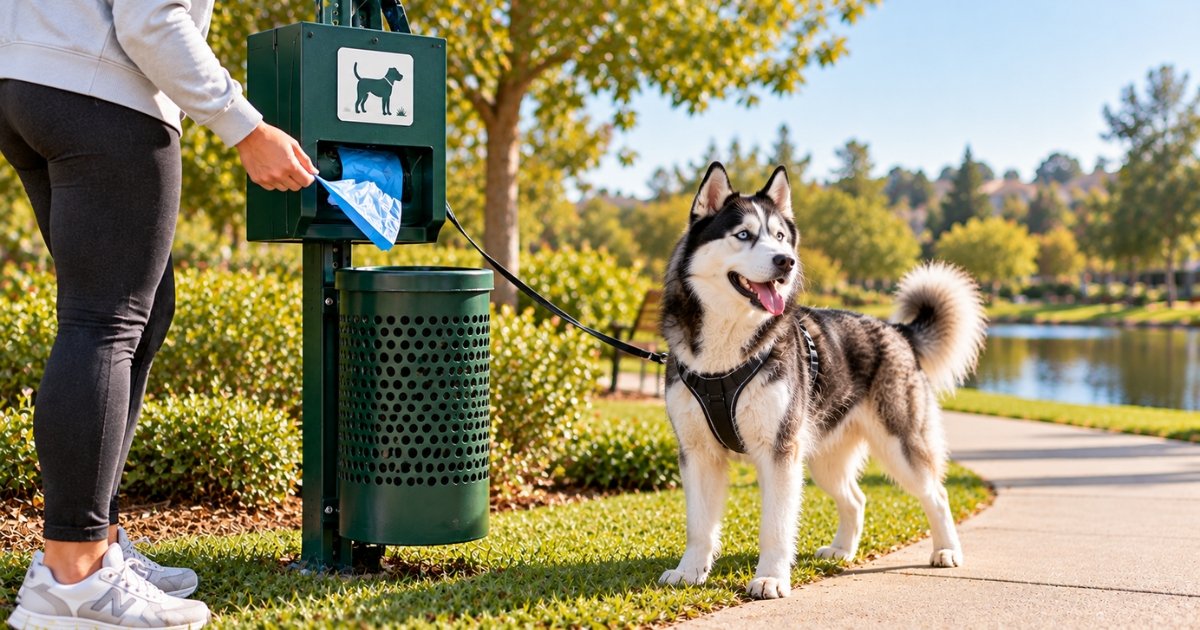
Choosing a dog waste station for an HOA, apartment or park? Learn siting, signage, emptying duties and the refill bag costs that decide if it works.
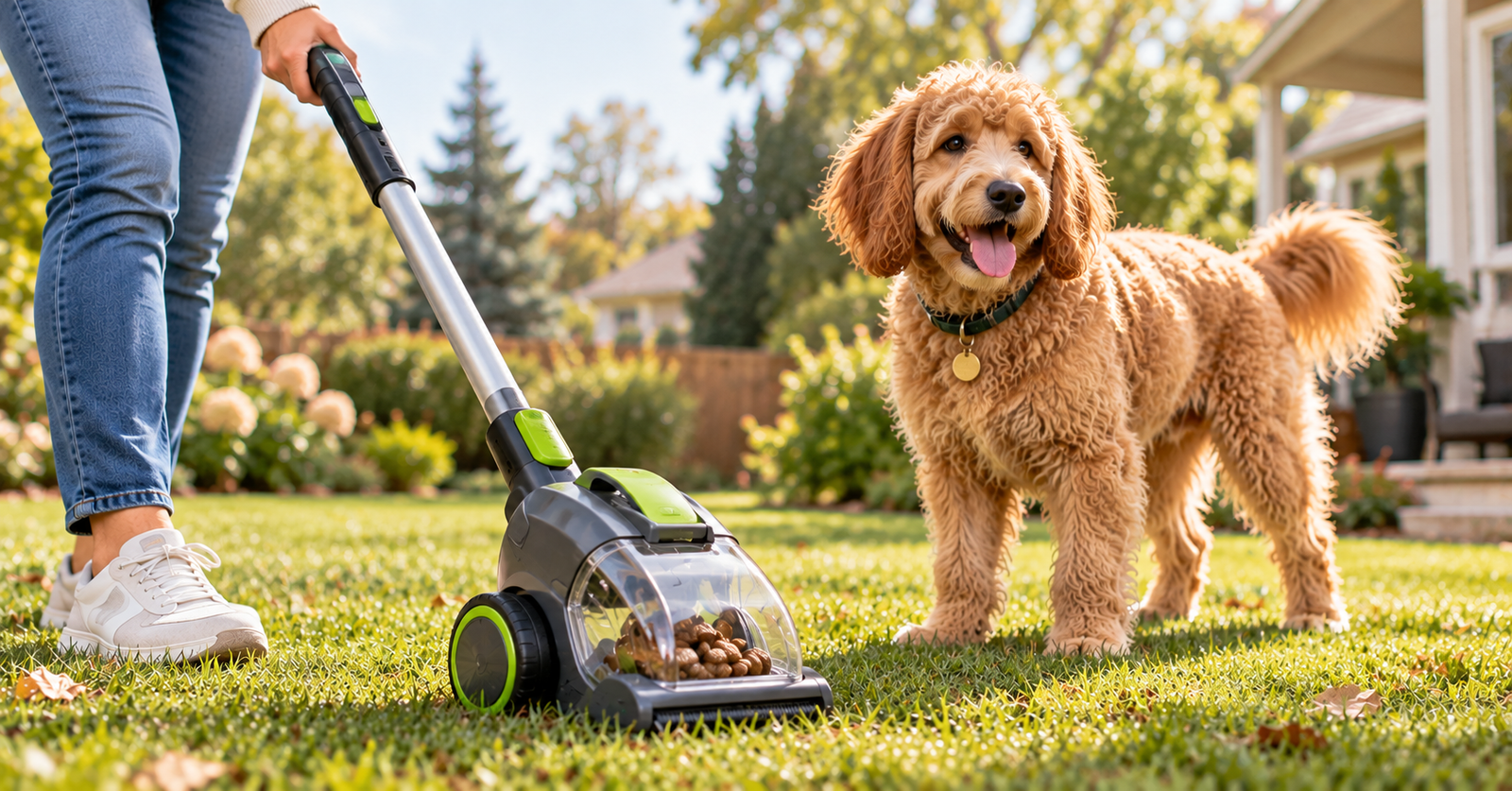
Can a dog poop vacuum really clean your yard? Here is how suction, powered scoopers and yard robots work, what they struggle with, and what to buy.