Home/Blogs/3 Signs Your Puppy Is Teething (And What You Can Do About It)
3 Signs Your Puppy Is Teething (And What You Can Do About It)
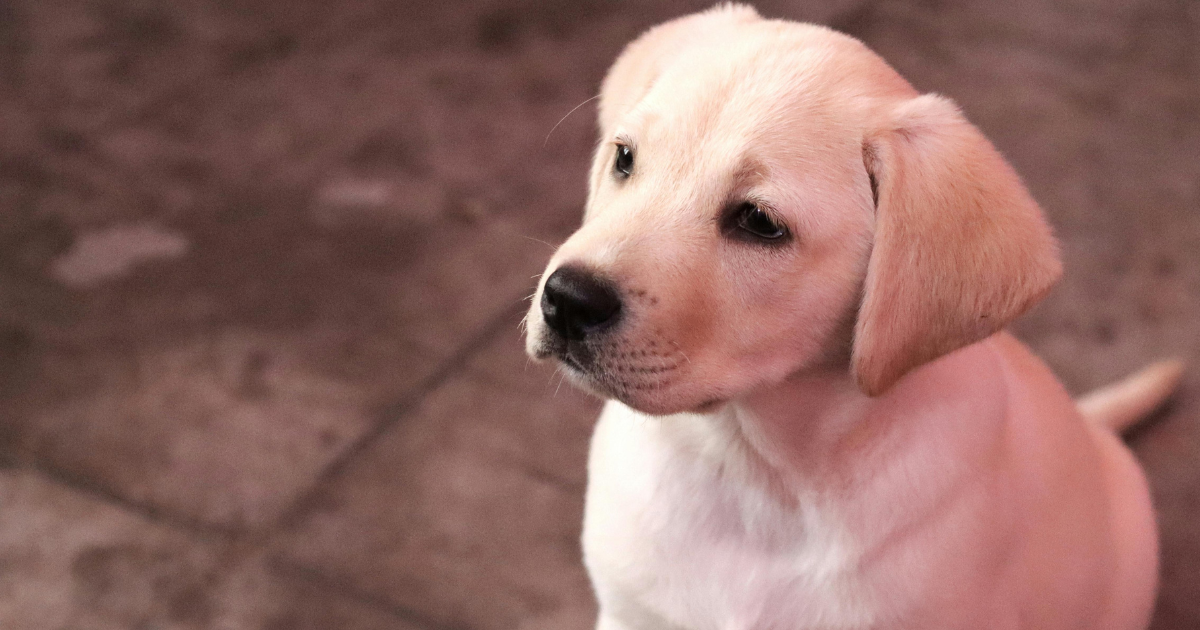
Puppy teething is one of the most challenging phases of early dog ownership. Your shoes, furniture, and fingers can all become targets — and it all happens fast. So, how do you know if your puppy is actually teething, or just being mischievous? Below are three clear signs to watch for, along with practical tips to help both you and your pup get through it comfortably.
What Is Puppy Teething?
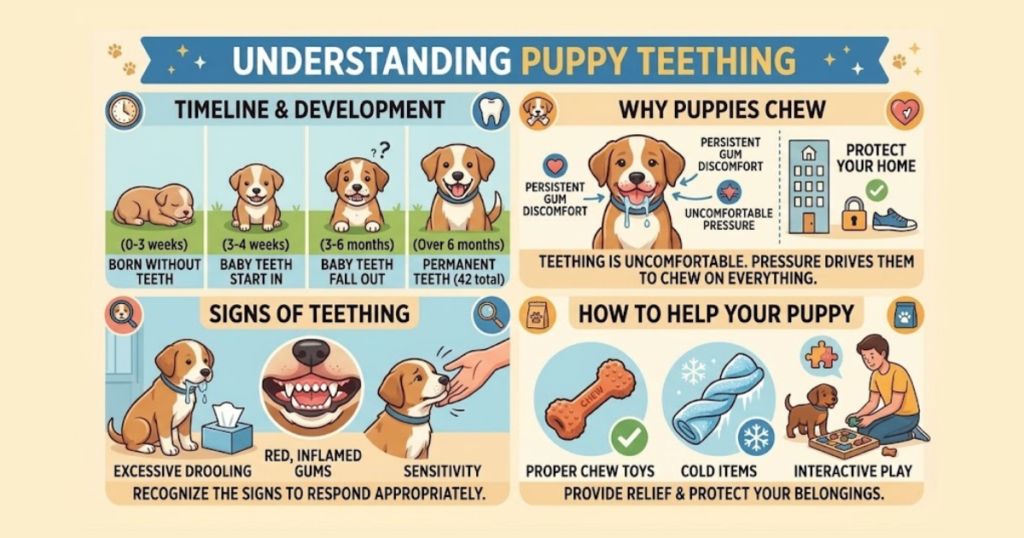
Puppies are born without teeth. By three to four weeks of age, their baby teeth (also called deciduous teeth) start coming in. Between three and six months old, those baby teeth begin falling out to make room for 42 permanent adult teeth. This transitional period is known as teething, and it can be just as uncomfortable for puppies as it is for human babies.
During this time, your puppy will feel persistent gum discomfort and pressure, which drives them to chew on anything and everything. Knowing the signs helps you respond appropriately — and protect your belongings in the process.
Sign #1: Excessive Chewing on Everything in Sight
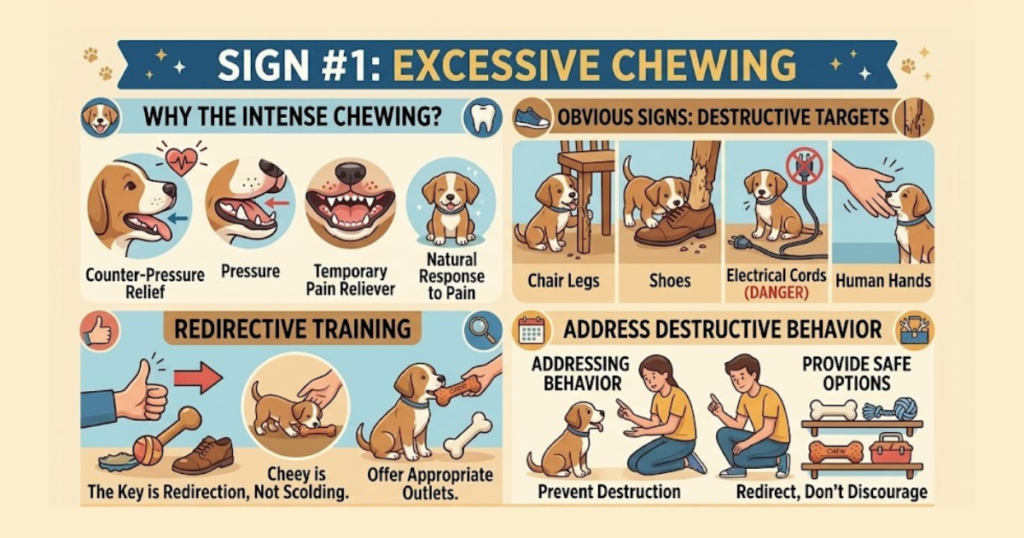
The most obvious sign of puppy teething is a sudden, intense need to chew. Your puppy may gnaw on chair legs, shoes, electrical cords, or even your hands. This behavior happens because chewing provides counter-pressure to the gums, which temporarily relieves the discomfort caused by emerging adult teeth.
While chewing is a normal teething behavior, it can quickly become destructive if left unaddressed. The key is to redirect this chewing toward appropriate outlets rather than scolding your puppy, who is simply responding to physical pain.
What You Can Do
Offer a variety of puppy-safe chew toys with different textures. Rubber toys, rope toys, and chilled chew rings all work well. You can also freeze a damp washcloth for your pup to chew — the cold helps numb sore gums. As a bonus, keeping dog poop bags on hand during walks means you stay prepared while your puppy works through this phase outdoors.
Sign #2: Swollen, Red, or Bleeding Gums
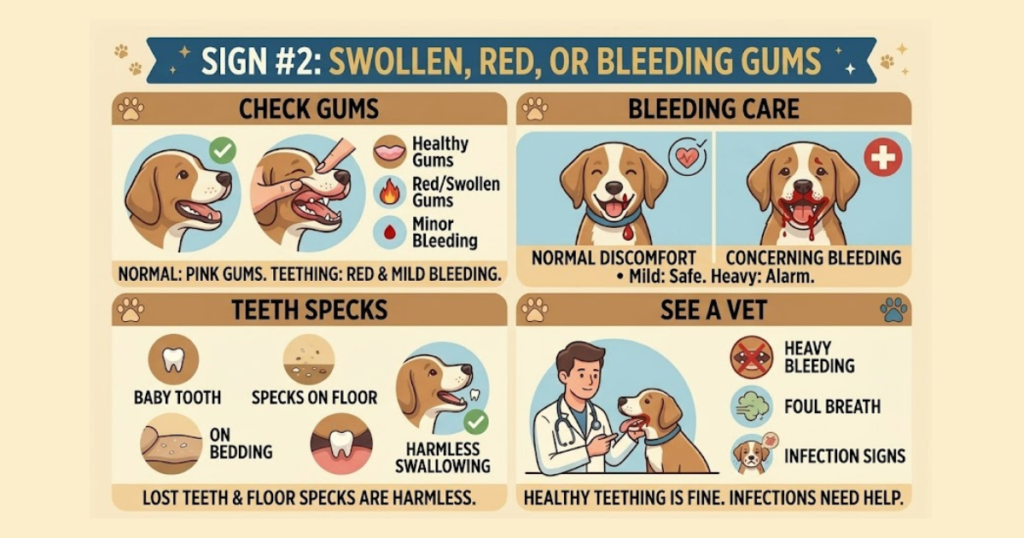
Take a look inside your puppy’s mouth. During puppy teething, you may notice that the gums look red, puffy, or slightly inflamed around the spots where new teeth are pushing through. In some cases, you might even see a small amount of blood — especially when your puppy has been chewing heavily.
Mild gum bleeding is normal during teething and is not a cause for alarm. However, significant bleeding, foul breath, or visible signs of infection warrant a trip to the vet. Healthy teething discomfort is manageable, but oral infections are not something to wait out.
You may also notice small white or brown specks on the floor or in your puppy’s bedding. Those are the baby teeth falling out. Many puppies swallow their baby teeth, which is harmless.
What You Can Do
Gently massage your puppy’s gums with a clean finger for short periods. This can ease inflammation and get your puppy used to having their mouth handled — a habit that will serve you well during future dental care. After outdoor play sessions, use pet wipes to clean your puppy’s paws and face, especially if they’ve been chewing on sticks or digging in the yard.
Sign #3: Drooling More Than Usual
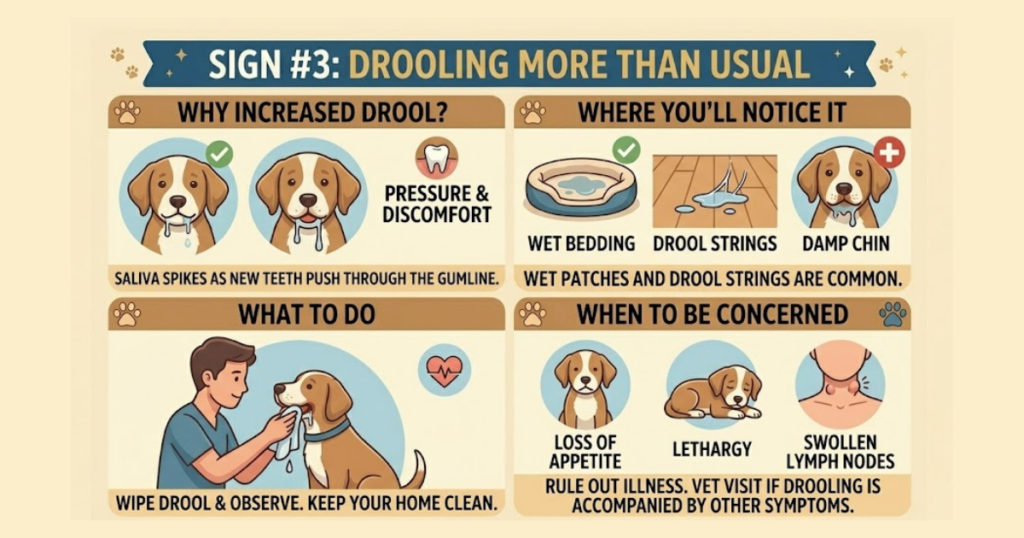
Increased drooling is a reliable indicator that your puppy’s mouth is under pressure. As new teeth push through the gumline, saliva production tends to spike. You might notice wet patches on their bedding, drool strings on your floor, or a consistently damp chin on your puppy.
While some dog breeds naturally drool more than others, a sudden uptick in drooling during the three-to-six-month age window is closely tied to puppy teething. If the drooling appears alongside other symptoms — like loss of appetite, lethargy, or swollen lymph nodes — schedule a vet visit to rule out illness.
Most of the time, though, extra drooling during teething is simply the body’s natural response to oral discomfort.
What You Can Do
Keep your puppy’s environment clean and dry. Wash bedding regularly, and wipe down hard floors where drool can become a slip hazard. Establish a consistent outdoor routine so your puppy gets regular bathroom breaks and playtime, which also helps burn off the restless energy that comes with this phase.
How Long Does Puppy Teething Last?
Most puppies finish teething by the time they reach six months of age. For some larger breeds, the process can extend slightly longer. The good news is that once all the adult teeth are in, the frantic chewing behavior typically settles down — provided the puppy has been consistently taught what is and isn’t appropriate to chew.
In the meantime, patience and preparation go a long way. Stock up on suitable chew toys, puppy-proof your home as much as possible, and monitor your pup’s gums weekly to track progress.
Staying on Top of Cleanup During the Teething Phase
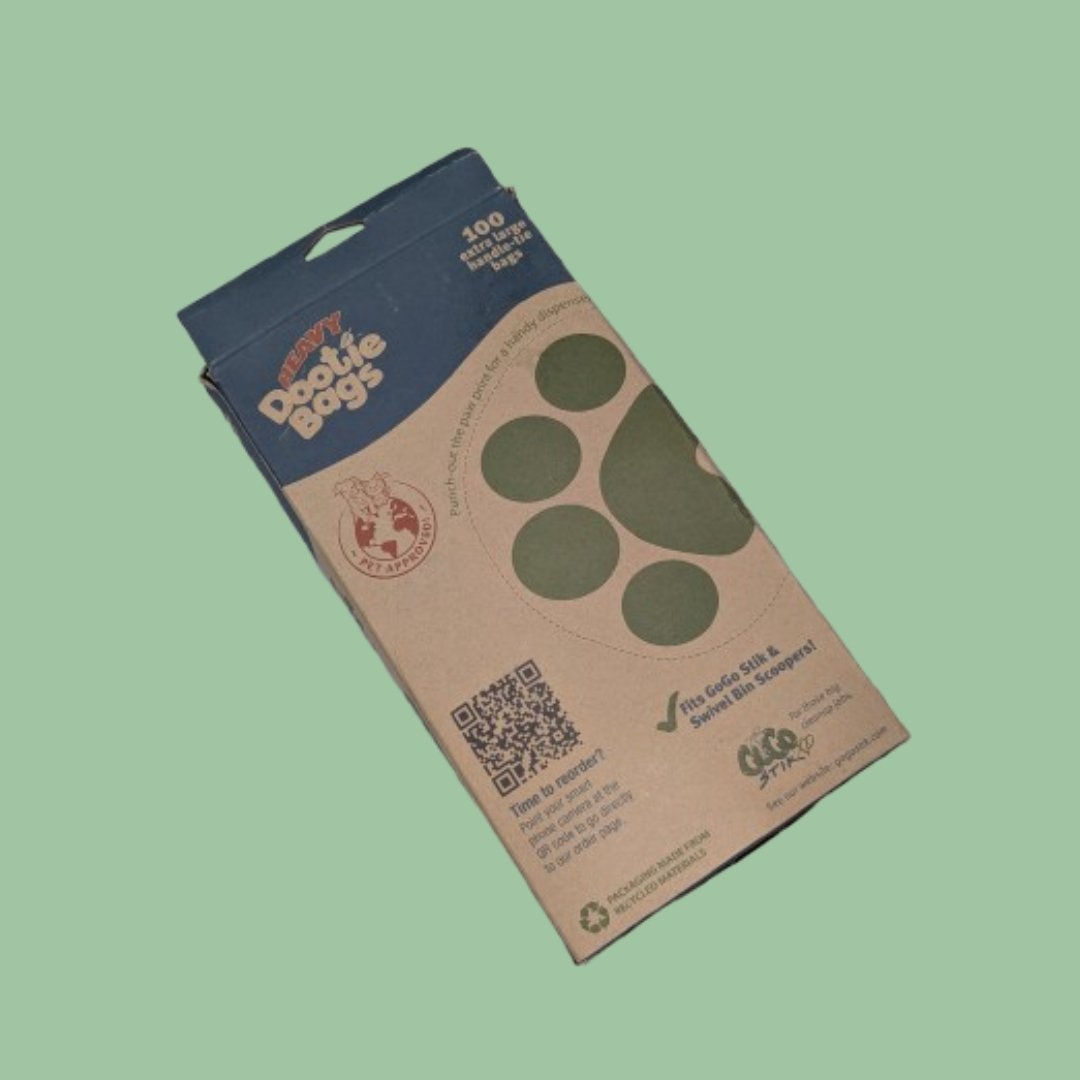
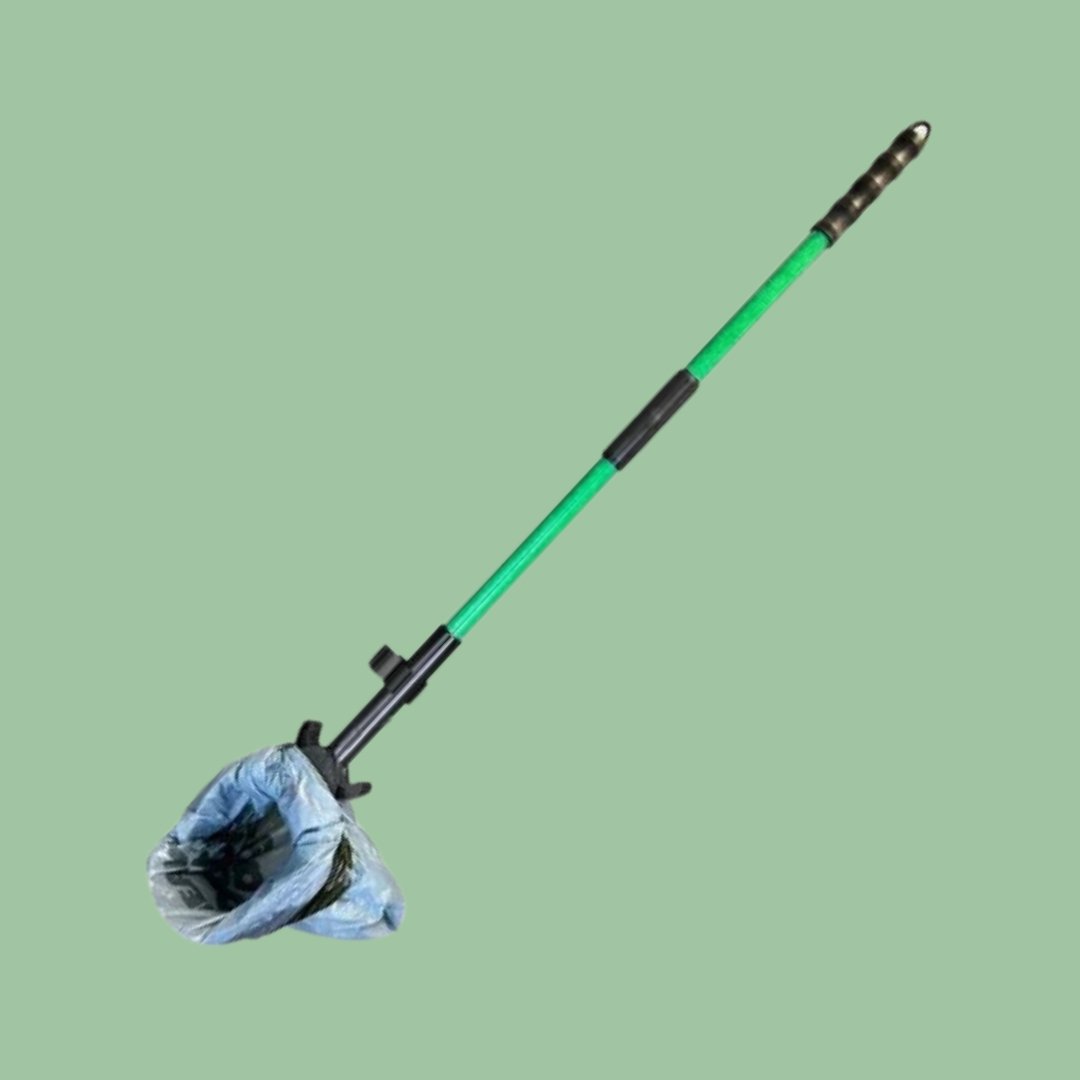
Teething puppies tend to be more active, more curious, and frankly more messy. They’re also going outside more frequently for bathroom trips as they build their routine. Staying ahead of the cleanup is easier with the right tools. GOGO Stik‘s range of pooper scoopers, dootie bags, and dog poop bag dispensers makes yard and walk cleanup simple and hands-free — so you can focus on your puppy rather than the mess.
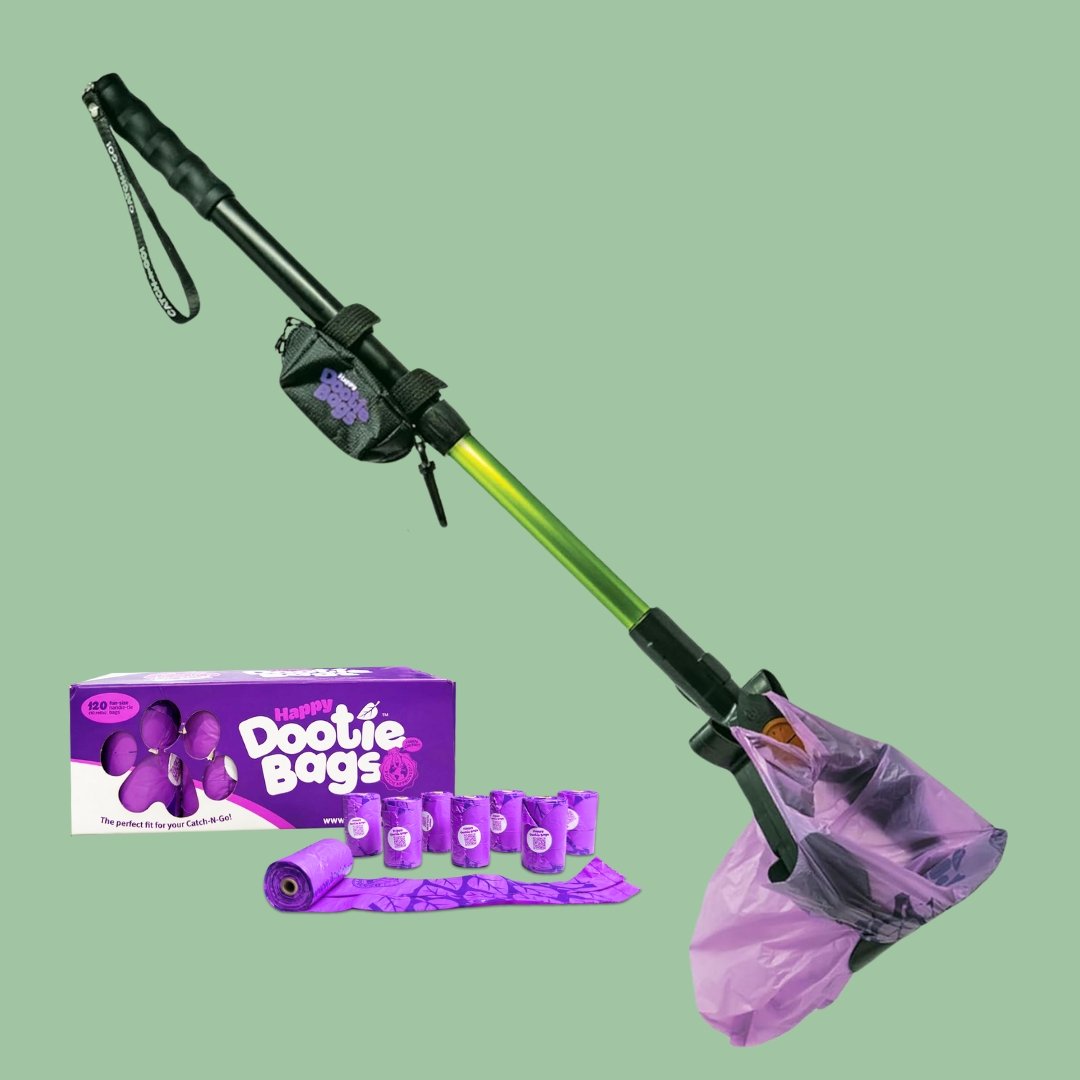
If you’re dealing with a larger breed puppy, the scooper and hybrid rake set with heavy-duty bags is a practical choice for yard cleanups. For on-the-go convenience, the Catch-N-Go Hybrid Catcher and Scooper with a built-in LED flashlight means you’re covered even on early morning or evening walks. You can also browse eco-friendly dootie bag options that are tough enough to handle the job without harming the environment.
When to Call the Vet
Teething is a natural process, but there are a few situations where professional guidance is helpful. Contact your vet if you notice any of the following:
• A baby tooth has not fallen out but the adult tooth is already coming in (retained baby teeth can cause overcrowding).
• Your puppy refuses to eat or drink due to mouth pain.
• You notice swelling around the jaw, face, or lymph nodes.
• The gums look severely inflamed or there is persistent heavy bleeding.
Your vet can check for retained teeth, signs of infection, or bite alignment issues that might need early intervention.
Final Thoughts
Recognizing the signs of puppy teething early allows you to respond in a way that supports your dog’s health and protects your home. Excessive chewing, swollen gums, and increased drooling are all normal parts of the process — but with the right approach, you can make this phase much smoother for everyone involved.Stay consistent with redirection, keep appropriate chew toys accessible, and stay prepared for outdoor routines with reliable cleanup tools from GOGO Stik. From biodegradable poop bags to heavy-duty dootie bags in variety packs, every product is built to make dog ownership cleaner and easier — even during the messy teething months.
Does your dog bolt in the opposite direction the moment bath time begins? You are definitely not alone. Many dogs dislike full baths, and sometimes a busy schedule simply does not allow for a lengthy grooming session. The good news is that you can keep your dog clean, fresh, and
Puppy teething is one of the most challenging phases of early dog ownership. Your shoes, furniture, and fingers can all become targets — and it all happens fast. So, how do you know if your puppy is actually teething, or just being mischievous? Below are three clear signs to watch
Summer is the perfect season to hit the road with your four-legged companion. Whether you’re heading to the beach, the mountains, or a dog-friendly city, a well-planned trip makes all the difference. Since dogs thrive on routine, a little preparation goes a long way toward keeping both of you relaxed