



Dog Life & Training
Dog Won’t Poop in Snow? 6 Easy Fixes
Dog won’t poop in snow? Learn why cold, salt and buried scent stop them, how to clear a potty patch, and when holding it means a vet visit.

I used to think I was doing something wrong. My dog Max had this smell that would just follow him around the house. I bathed him. I brushed him. I even tried those doggy cologne sprays you find at pet stores. Nothing worked for more than a day. He would walk into a room and I could tell he had been there before he even appeared around the corner.
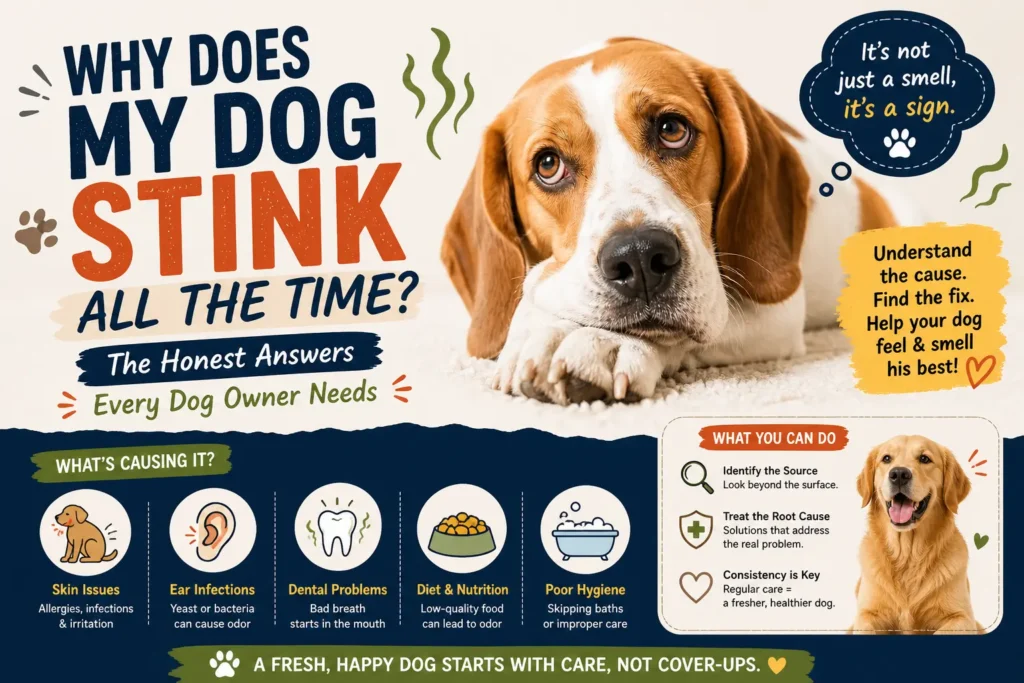
If you are sitting there right now typing “why does my dog stink all the time” into Google, I get it completely. It is frustrating, a little embarrassing when guests come over, and genuinely confusing when nothing you try seems to make a lasting difference.
The good news is that persistent dog odor almost always has a specific cause, and once you identify the real source, fixing it becomes much more manageable. Let me walk you through what I learned the hard way.
Part of keeping your dog smelling better is keeping your home and yard clean from waste buildup. Check out the premium cleanup tools and dog waste solutions at GogoStik.com to remove one major source of odor from your dog’s environment entirely.
Featured Snippet Answer: When a dog stinks all the time, even after bathing, it usually signals an underlying issue rather than simple dirtiness. The most common causes include skin infections, yeast overgrowth, anal gland problems, ear infections, dental disease, or diet-related issues. Identifying the specific source of the smell is the key to fixing it permanently rather than masking it temporarily.
A dog that smells occasionally after a muddy walk or a swim is totally normal. A dog that has a persistent, returning odor that no amount of bathing fully resolves is telling you something specific about their health or hygiene that needs attention.
There is rarely one single reason a dog develops a persistent smell. More often it is one of several well-known causes, and understanding which one you are dealing with changes everything about how you approach the fix.
This is one of the most common and most overlooked causes of chronic dog odor. Yeast and bacteria naturally live on a dog’s skin in small amounts. When something disrupts that balance, such as allergies, moisture, or a weakened immune system, they overgrow and produce a distinct musty or cheesy smell that many dog owners describe as corn chips or stale popcorn.
You will often notice this smell most strongly around the paws, belly, and skin folds. Dogs with yeast issues also tend to scratch constantly, lick their paws, shake their head, or rub their face against furniture. Simply bathing them provides only short-term relief because the underlying infection continues.
A vet can confirm a yeast or bacterial skin infection and prescribe medicated shampoos, antifungals, or antibiotics that actually address the root cause.
If your dog has a strong, fishy smell that seems to come and go, the anal glands are often the source. Dogs have two small scent glands on either side of the anus that normally express naturally when they defecate. When those glands become impacted or infected, they produce a genuinely foul secretion that clings to the fur and spreads through your home.
Signs that anal glands are the problem include your dog scooting across the floor, licking at their rear end excessively, or a sudden strong fishy odor appearing without explanation. A vet or professional groomer can manually express these glands, but recurring impaction usually needs a longer-term solution discussed with your veterinarian.
Ear infections in dogs produce a distinctive yeasty or rotten smell that owners often notice before they spot any visible signs. The ears stay warm and dark, which makes them a perfect environment for bacteria and yeast to grow, especially in dogs with floppy ears like Basset Hounds, Cocker Spaniels, or Golden Retrievers.
Check your dog’s ears regularly. If you see redness, dark discharge, or your dog is shaking their head and scratching at their ears constantly, an infection is likely. Ear infections require veterinary treatment and do not resolve on their own.
Bad breath in dogs is extremely common and often dismissed as just a normal dog thing. But persistent, severe bad breath is usually a sign of plaque buildup, gum disease, or tooth decay. In some cases it can even signal underlying health issues like kidney disease or diabetes, where the breath takes on a specific chemical or urine-like smell.
Dental hygiene for dogs is genuinely important and often neglected. Annual professional cleanings, regular at-home brushing, and appropriate dental chews all help prevent the kind of buildup that makes your dog’s breath a room-clearing event.
What your dog eats directly affects how they smell, both from their breath and from their skin. Diets high in processed ingredients, fillers, and starches can promote yeast overgrowth internally, which then shows up as skin and coat odor. Poor quality food can also cause excessive gas, which is both a comfort issue for your dog and a quality-of-life issue for everyone in the room.
If your dog has chronic gas or a persistent musty smell, reviewing their diet with a vet is worth doing. Sometimes a food transition alone makes a noticeable difference within weeks.
Keeping your yard and home clean from dog waste also reduces the environmental odors that contribute to a smelly dog. GogoStik’s heavy-duty cleanup tools make that part effortless. Shop pet cleanup essentials at GogoStik.com and take control of dog odor from every angle.
This one is familiar to every dog owner. When a dog gets wet, the moisture releases compounds produced by microorganisms living in the fur, which creates that unmistakable, sharp wet dog smell. It is not dangerous and it is completely normal, but it does linger longer on dogs with thicker or longer coats.
Drying your dog thoroughly after baths or time in the rain makes a significant difference. A good absorbent towel and even a low-heat blow dryer can cut down on how long the smell sticks around.
Dogs do this for instinctive reasons that go back thousands of years. They roll in strong-smelling things to mask their own scent. The logic made sense for wolves. For a Labrador in a suburban backyard in Ohio, it mostly just means an emergency bath.
If your dog has access to a yard, keeping that yard clean of waste is a direct line of defense against this behavior. A yard with less waste around is simply a yard with fewer opportunities for your dog to find something horrible to roll in.
Some persistent dog odors are connected to hormonal issues like hypothyroidism, which affects skin oil production and can create a greasy, rancid smell even in well-groomed dogs. Kidney disease can cause a urine-like odor. Diabetes can create a sweet or fruity smell on the breath.
If you have addressed grooming, diet, and the obvious causes and your dog still has a persistent unusual smell, a full veterinary checkup is the right next step. Some odors are the body’s way of signaling something that needs medical attention.
When I finally took Max to the vet specifically about his odor, I expected them to tell me to bathe him more. Instead they identified a mild yeast overgrowth on his skin that had been building for months. His allergies were creating the right environment for it and I had no idea.
Two weeks of medicated shampoo and a diet adjustment later, the smell was genuinely gone. Not masked. Gone. I noticed it the moment I sat down on the couch with him one evening and just did not smell anything unusual at all. After months of it being a constant background presence, the absence of it was striking.
The lesson I took from that: chronic dog odor almost always has a specific fixable cause. Chasing it with sprays and more frequent baths just delays finding and addressing that cause.
“I kept buying dog deodorizing sprays thinking that was the answer. Turns out my dog had an ear infection and a yeast issue. Once those were treated, the smell just disappeared.”
Here is a practical approach based on what actually works:
Start by identifying where the smell is coming from. Is it the coat overall? The ears? The mouth? The rear end? Narrowing the source tells you where to focus first.
Schedule a vet visit if the smell is persistent, unusual, or accompanied by other symptoms like scratching, scooting, or changes in energy. Many of the real causes of chronic dog odor require professional diagnosis and treatment.
Establish a regular grooming routine. Monthly baths with a quality dog shampoo, regular brushing between baths, ear cleaning, and dental hygiene all compound over time to keep odor under control.
Review your dog’s diet. If you are feeding a heavily processed food, talking to your vet about a higher quality alternative is worth the conversation.
Keep your dog’s environment clean. Wash their bedding weekly. Clean food and water bowls regularly. And keep your yard clean of waste, because dogs who spend time in a messy yard track odors inside and sometimes roll in things that make the problem significantly worse.
Bathing too frequently without addressing the cause. Over-bathing strips natural skin oils and can actually worsen the conditions that cause odor in the first place.
Using fragrances and sprays to cover the smell. These mask the odor temporarily but do nothing for the underlying cause and can irritate sensitive skin.
Assuming all dog smell is just normal. Some odor is normal. Persistent, strong, or unusual odor is almost always a signal worth investigating.
Ignoring dental hygiene. Bad breath is the most preventable dog odor and one of the most commonly ignored.
Letting yard waste accumulate. A dirty yard means a dirtier, smellier dog. Regular waste cleanup is one of the most direct environmental steps you can take.
If your dog smells bad right after or shortly after a bath, the cause is likely internal rather than surface dirt. Skin infections, yeast overgrowth, ear infections, and anal gland issues all produce odors that return quickly because bathing does not address the underlying source.
Yeast infections in dogs typically produce a musty, cheesy, or corn chip-like smell. It is most common around the paws, ears, belly, and skin folds. A vet can confirm it with a simple examination.
Most dogs do well with a bath once a month. More frequent bathing without addressing underlying causes can strip skin oils and worsen odor over time. Ask your vet for a recommendation specific to your dog’s breed and skin type.
A dog that smells all the time is almost never just a dog that needs another bath. There is a reason, and that reason is almost always findable and fixable once you stop trying to cover it up and start trying to understand it.
Work through the most common causes. Start with a vet visit if you have already tried the obvious grooming steps. Review the diet. Clean the environment consistently. And stop buying sprays that just delay the conversation your dog’s smell is trying to have with you.
Your home, your furniture, your guests, and your own relationship with your dog all get better when the smell gets resolved. It is worth the effort to find the real answer.
One part of keeping your dog cleaner and your home fresher is keeping their outdoor environment free of waste buildup. Explore GogoStik’s full range of dog cleanup tools, waste bags, and pet hygiene essentials at GogoStik.com and make clean, odor-free dog ownership a little easier every single day.

Alec Beaton is the Founder & Inventor of Pooch Approved Products and GoGo Stik®. Inspired by real-life pet parenting, he turns everyday cleanup challenges into simple, innovative solutions that make life better for pets and their people.
Dog won’t poop in snow? Learn why cold, salt and buried scent stop them, how to clear a potty patch, and when holding it means a vet visit.
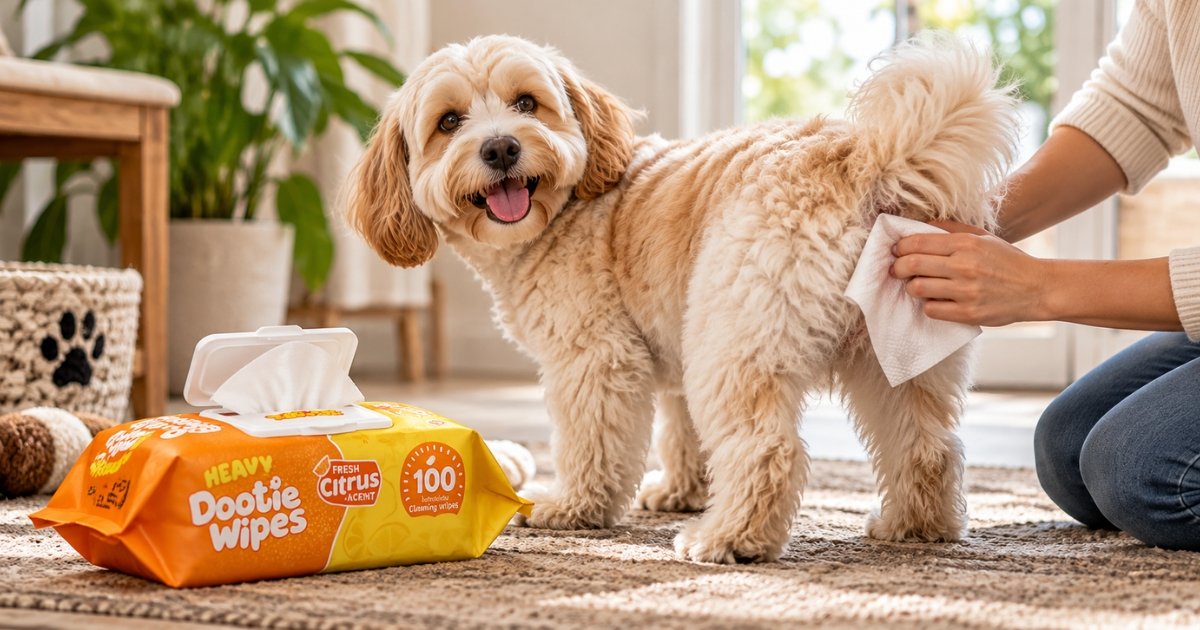
Dog butt wipes buyer’s guide: when your dog needs one, the 6 specs that matter, why baby wipes fail, and the signs that mean a vet visit, not more wiping.
Dog upset stomach? Use this vet-informed home-care checklist to soothe nausea, spot red flags, and know exactly when to call the clinic.