General
Dog Diarrhea: Causes, Home Care & Vet Signs
Dog diarrhea got you worried? Learn the common causes, safe home care tips, and the warning signs that mean it’s time to call your vet.
 Skip to content
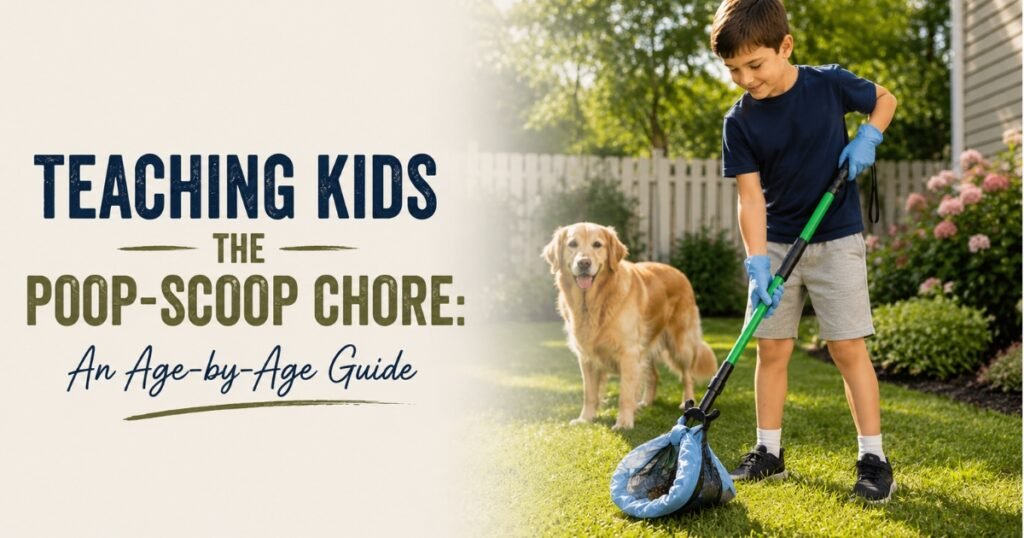
Handing your kids a share of the dog chores does two things at once: it lifts a little off your plate and it teaches real responsibility. Poop patrol has a reputation as the chore nobody wants, but with the right tool and a bit of structure, it’s a genuinely good starter job for children. Here’s a practical, age-by-age guide to teaching kids the poop-scoop chore safely, plus how to keep it hygienic and, honestly, a little bit fun.
Giving children a real role in pet care builds responsibility in a way that chores around the house often do not, and the American Kennel Club recommends matching the task to the child’s age and confidence. Dog chores for kids work best when the job is safe, simple, and genuinely theirs.
Caring for a pet is one of the clearest ways children learn that a living thing depends on them. Yard cleanup is concrete, it happens on a schedule, and the result is visible, a clean yard everyone enjoys. It also quietly teaches hygiene: wash your hands, don’t touch the waste, use the tool properly. Done right, it builds a habit of pitching in without much nagging.
| Age | What they can do |
|---|---|
| 6–8 | Spot the piles and point them out; hold the bag open; supervised practice with a long-handle tool on firm ground |
| 9–11 | Do the full scoop with a no-touch tool while an adult checks; tie the bag and bin it |
| 12+ | Own the whole routine independently, including restocking bags and washing up |
These are starting points, not rules, you know your child. The golden principle at every age: the child never touches the waste, and an adult sets up the routine first.
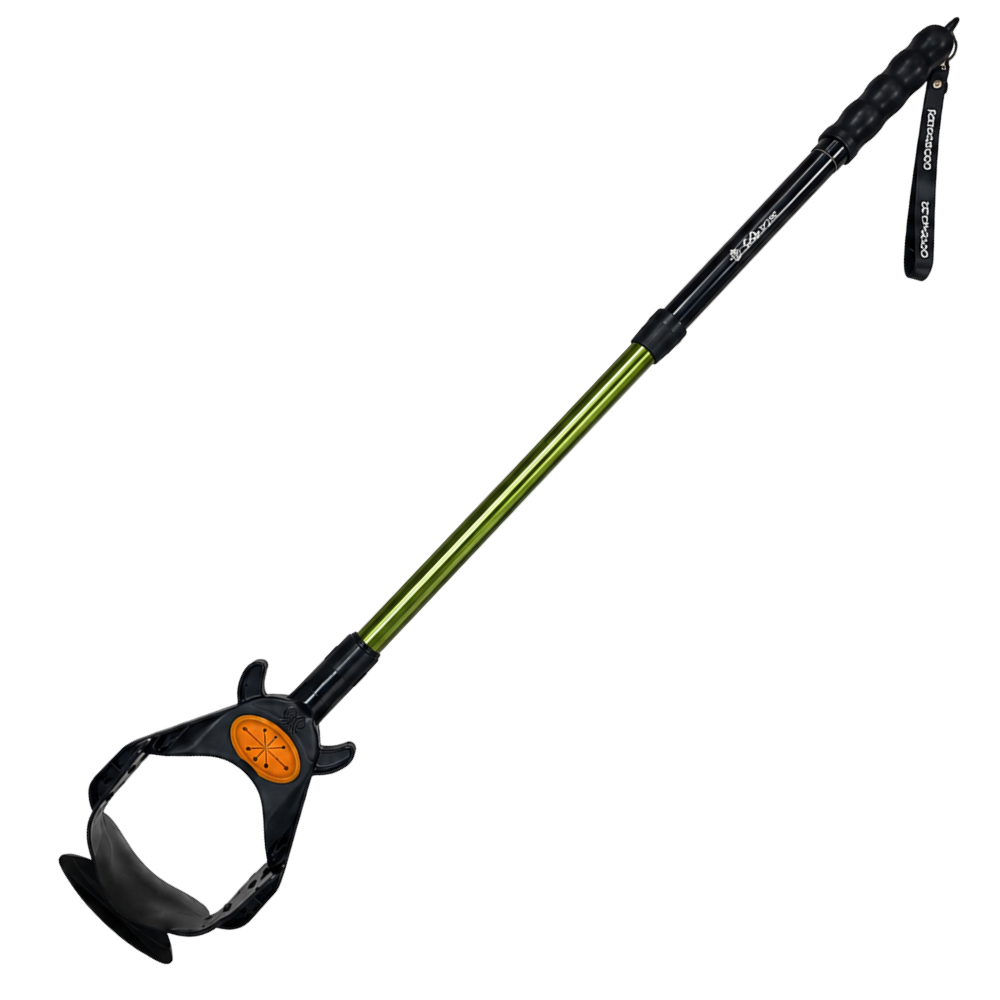
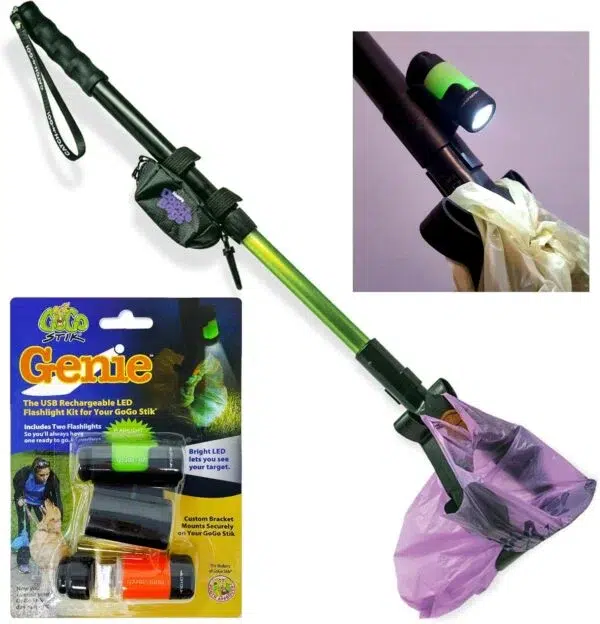
This is where most “kids won’t do it” stories go wrong. A floppy bag-over-the-hand method puts a child’s fingers right next to the mess, understandably, they refuse. A spring-loaded jaw scooper is often too stiff for small hands to squeeze. What works is a long-handled, no-touch scooper: the child stands upright, well back from the pile, and the bag does the dirty work. Nothing touches their hands, and the tool itself stays clean, so cleanup afterward isn’t a second gross job.
For younger kids in particular, a lightweight rake-style attachment is easy to control on grass. It lets them pull a pile onto the bagged scooper without needing precise aim or strength. If you’re weighing a rake against a flat spade for your yard, our rake vs spade comparison helps you choose.
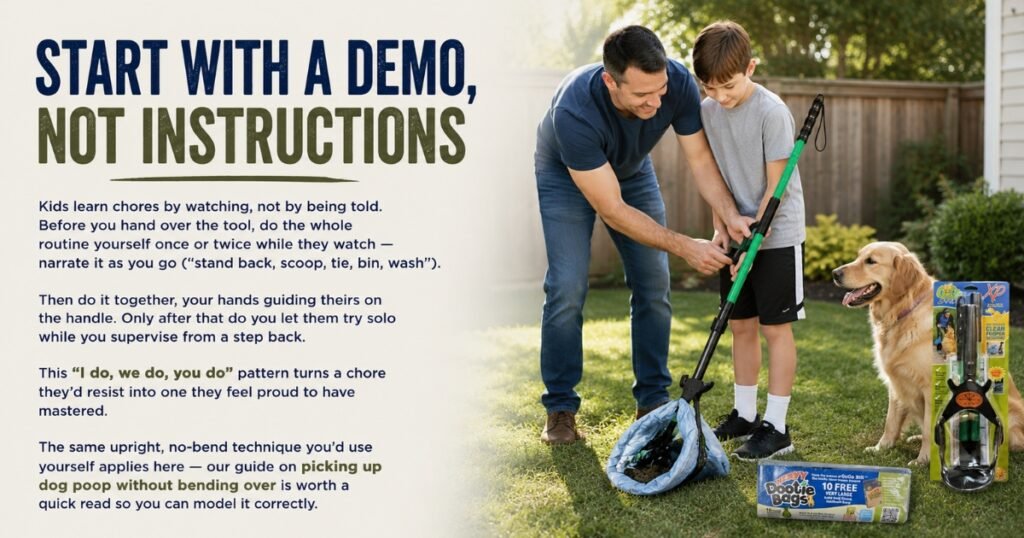
Kids learn chores by watching, not by being told. Before you hand over the tool, do the whole routine yourself once or twice while they watch, narrate it as you go (“stand back, scoop, tie, bin, wash”). Then do it together, your hands guiding theirs on the handle. Only after that do you let them try solo while you supervise from a step back. This “I do, we do, you do” pattern turns a chore they’d resist into one they feel proud to have mastered. The same upright, no-bend technique you’d use yourself applies here, our guide on picking up dog poop without bending over is worth a quick read so you can model it correctly.
A few tricks that keep kids on task: put poop patrol on a simple chore chart with a checkbox, tie it to a small weekly allowance or reward, and let them “own” their tool. Turning it into a quick race (“beat the timer”) works surprisingly well with younger kids. The goal is to make it routine, not a battle.
| Product | Why it works for kids | Price | |
|---|---|---|---|
| EZ Dootie Rake-Spade (hybrid attachment) | Lightweight and easy to control on grass; no aim or squeeze needed | $14.95 | Order Now → |
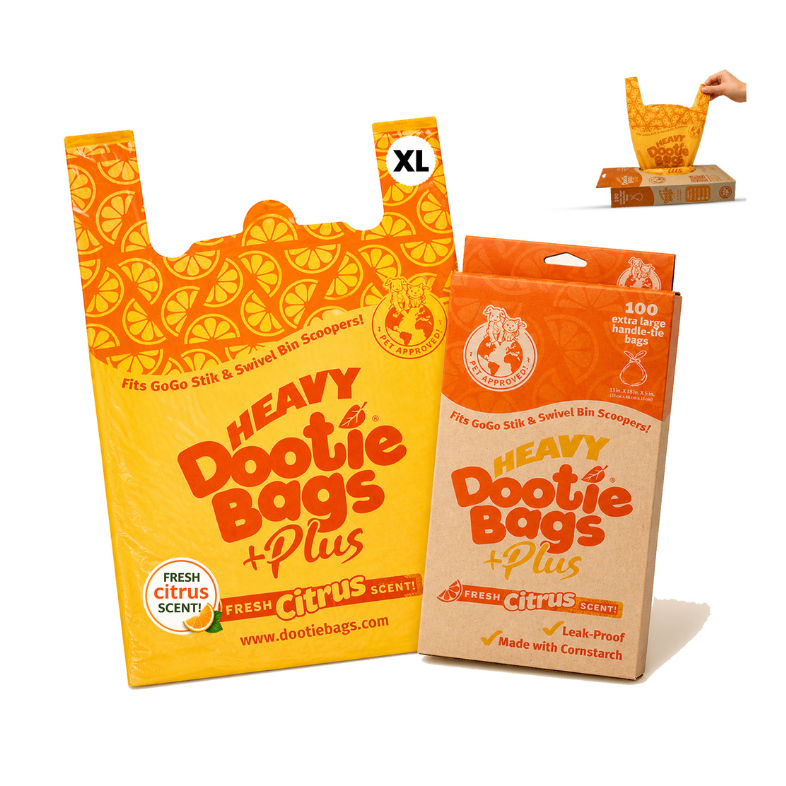
| XP Pro Pooper Scooper 37″ + 100 Heavy Dootie Bags | No-touch design keeps hands clean; long handle keeps kids upright and back from the mess | $22.95 | Order Now → |
Prices shown at time of writing; current promotions apply automatically at checkout.
Around 6, with supervision and a long-handle no-touch tool so their hands stay well away from the waste. By about 9–11 most kids can do it solo, and 12+ can own the whole routine.
Yes, with the right setup: a no-touch tool so they never contact waste, and hand-washing every time. Keep the tool stored out of reach of toddlers.
A lightweight rake attachment on grass, or the long-handle XP Pro, both let a child clean up standing upright without needing strong hands.
Make it routine and visible: a chore chart with a checkbox, a small reward tied to finishing the week, and letting them “own” their own tool all help. Keeping the scooper and bags in one easy-to-reach spot removes the friction that makes kids skip it. And model it yourself first, kids copy what they see far more than what they’re told.
Of all the dog chores for kids you could start with, this one teaches the most. Poop patrol is a perfect first pet chore, it teaches responsibility and hygiene, and it’s genuinely doable for kids when the tool keeps their hands clean and their posture upright. Set the routine, give them the right scooper, and make hand-washing the rule that never bends.

Alec Beaton is the Founder & Inventor of Pooch Approved Products and GoGo Stik®. Inspired by real-life pet parenting, he turns everyday cleanup challenges into simple, innovative solutions that make life better for pets and their people.
Dog diarrhea got you worried? Learn the common causes, safe home care tips, and the warning signs that mean it’s time to call your vet.
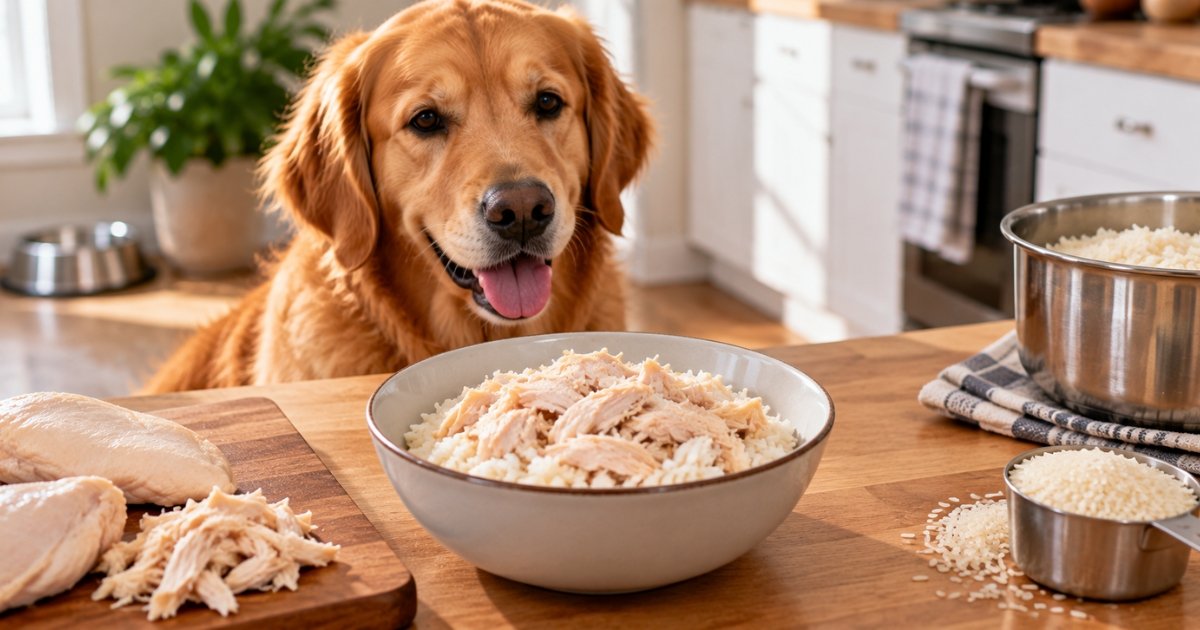
A bland diet for dogs can calm an upset stomach fast. Learn the right chicken & rice ratio, how long to feed it, and when to call your vet.
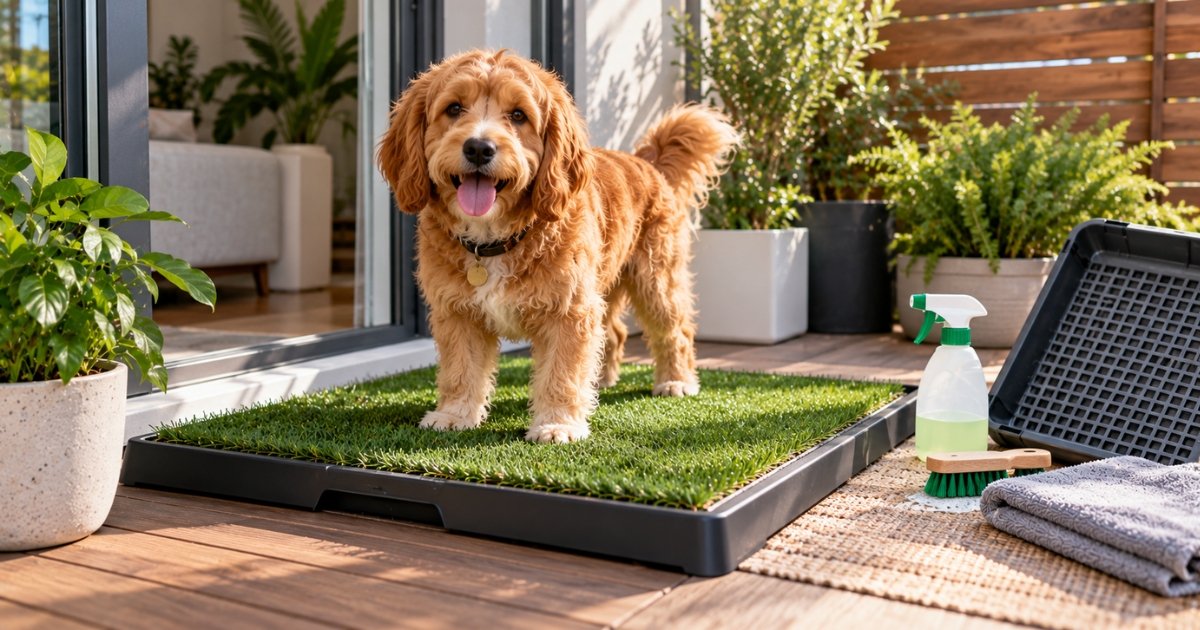
Does a dog grass pad really work? See real pros, cons, cleaning tips, and the best poop bags to keep your indoor potty fresh in 2026.