General
Dog Diarrhea: Causes, Home Care & Vet Signs
Dog diarrhea got you worried? Learn the common causes, safe home care tips, and the warning signs that mean it’s time to call your vet.

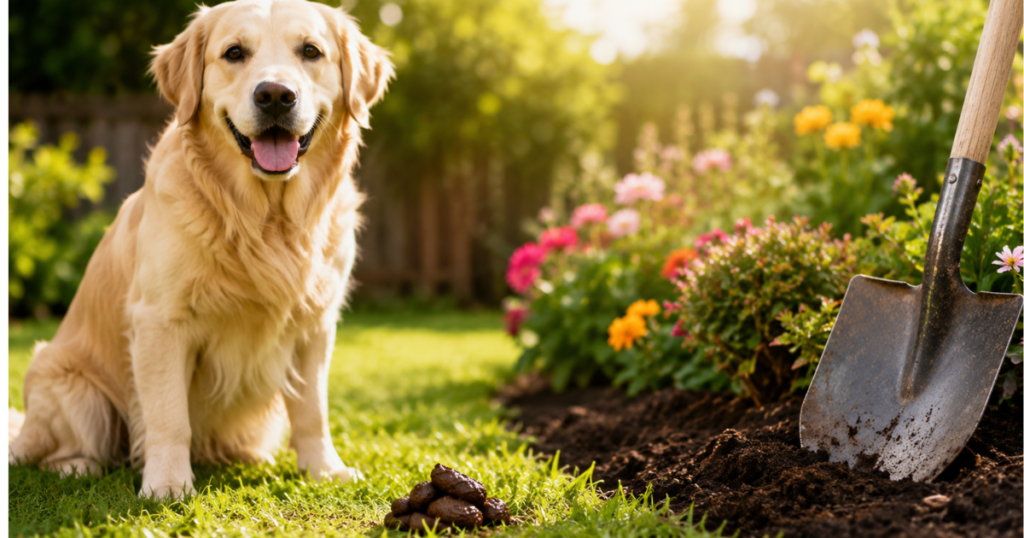
If you’re a dog owner in the U.S., you’ve probably heard this before: “Just leave it it’ll fertilize the grass.”
It sounds convenient, right? You’re out in your backyard, your dog does its business, and instead of picking it up, you assume it’s helping your lawn grow greener.
But then you start noticing brown patches, a lingering smell, and maybe even a struggling garden bed.
So what’s really going on? Is dog poop good fertilizer or is it harming your yard?
Featured Snippet Answer
Is dog poop good fertilizer?
No, dog poop is not good fertilizer. Unlike herbivore manure, it contains harmful bacteria, parasites, and high nitrogen levels that can damage grass, contaminate soil, and pose health risks to humans and pets.
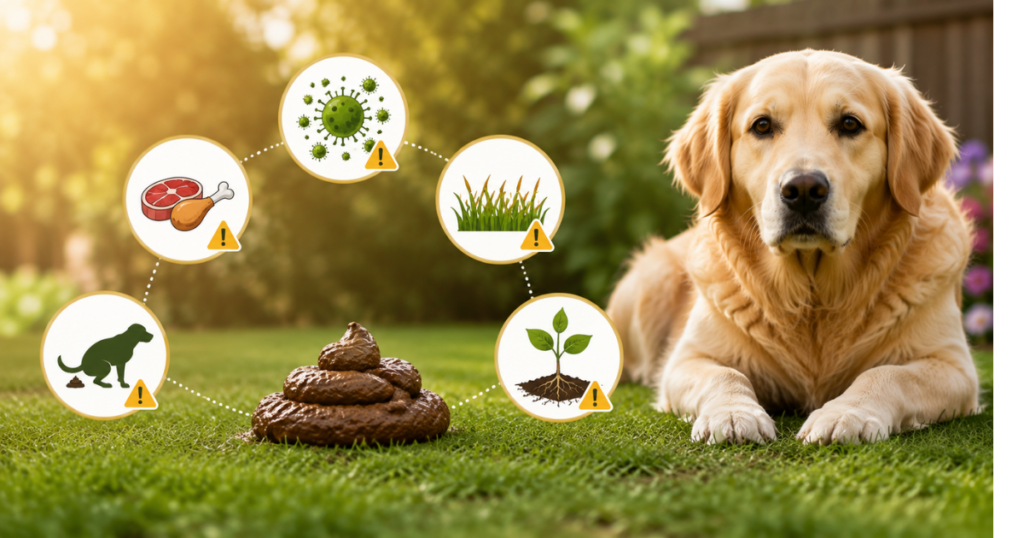
Let’s clear up the biggest myth first.
Dog poop is often mistaken for a natural fertilizer, but in reality, it behaves very differently from traditional manure.
Here’s why:
Instead of enriching your soil, dog waste can:
So, if you’re wondering “does dog poop help plants grow?” the answer is no. It often does the opposite.
A big reason this myth exists is because people compare dog poop to cow manure.
But here’s the key difference:
This is why the idea of dog waste fertilizer is mostly a myth.
In short: Not all poop is created equal.
Many homeowners assume dog poop will just “disappear” over time.
It doesn’t.
Instead, here’s what happens:
In suburban American neighborhoods, this can even impact stormwater systems, carrying bacteria into local water sources.
That’s why proper pet waste disposal is not just about cleanliness, it’s about environmental responsibility.
Yes, dog poop is bad for grass and plants.
Here’s why:
Yes. It often causes yellow or brown patches due to nitrogen overload and smothering.
Bad. It can contaminate vegetables, especially if you’re growing food like tomatoes, lettuce, or herbs.
If you care about your lawn care routine, leaving waste behind is one of the fastest ways to undo your hard work.
Can Dog Poop Be Composted Safely?
This is where things get a bit more nuanced.
Yes but only with specialized methods.
Regular backyard composting is NOT enough.
Safe composting requires:
So while dog poop compost safe methods exist, they’re not practical for most homeowners.
Health Risks of Dog Waste (Bacteria & Parasites)
Dog waste isn’t just unpleasant, it’s potentially dangerous.
It can contain:
These can spread through:
For families with children or pets, poor yard hygiene can quickly become a health concern.
Proper Ways to Dispose of Dog Waste
If leaving it isn’t the solution, what should you do?
Here are the safest and most effective methods:
Keeping your yard clean doesn’t have to be a hassle it just needs the right system.
If you’re looking for greener solutions, you have options.
These methods help reduce environmental impact while keeping your yard safe.
Does dog poop kill grass?
Yes. The high nitrogen content and bacteria can burn grass and create dead patches.
Can you bury dog poop?
Not recommended. It can contaminate soil and groundwater, especially in residential areas.
Is dried dog poop still harmful?
Yes. Even when dried, it still contains bacteria and parasites that can spread through dust or rain.
No, not directly. It contains harmful bacteria and nutrients that can damage plants and soil.
It introduces pathogens, disrupts soil balance, and contains excessive nitrogen that harms plant growth.
Yes, it can burn grass and create unsightly brown patches in your lawn.
So, is dog poop good fertilizer? The simple answer is noit does more harm than good. While it might seem like a natural way to nourish your lawn, dog waste actually damages grass, spreads harmful bacteria, and can put your family’s health at risk. Instead of leaving it in your yard, the smarter and safer choice is to clean it up regularly and follow proper pet waste disposal practices. By keeping your lawn clean and using the right tools, you can protect your grass, maintain a healthy garden, and create a safer outdoor space. For easy and hygienic solutions, check out . https://gogostik.com/ and make yard cleanup stress-free.
Alec Beaton is the Founder & Inventor of Pooch Approved Products and GoGo Stik®. Inspired by real-life pet parenting, he turns everyday cleanup challenges into simple, innovative solutions that make life better for pets and their people.
Dog diarrhea got you worried? Learn the common causes, safe home care tips, and the warning signs that mean it’s time to call your vet.
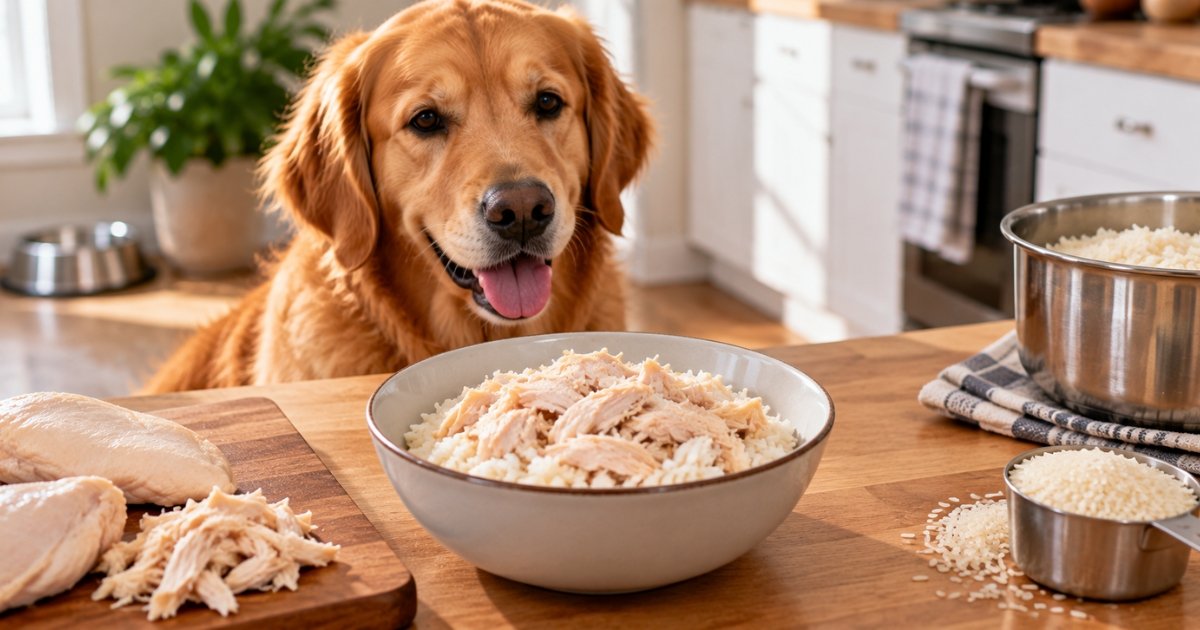
A bland diet for dogs can calm an upset stomach fast. Learn the right chicken & rice ratio, how long to feed it, and when to call your vet.
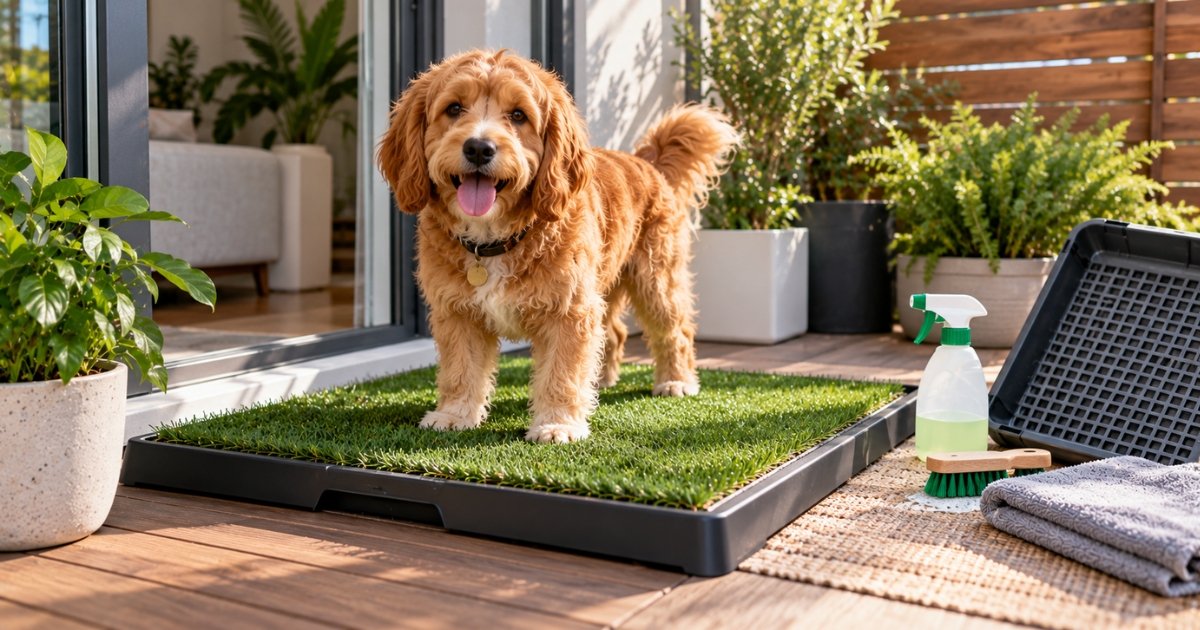
Does a dog grass pad really work? See real pros, cons, cleaning tips, and the best poop bags to keep your indoor potty fresh in 2026.