


Pooper Scoopers
Dog Poop Vacuum: Worth It? 7 Real Questions to Ask
Can a dog poop vacuum really clean your yard? Here is how suction, powered scoopers and yard robots work, what they struggle with, and what to buy.
 Skip to content
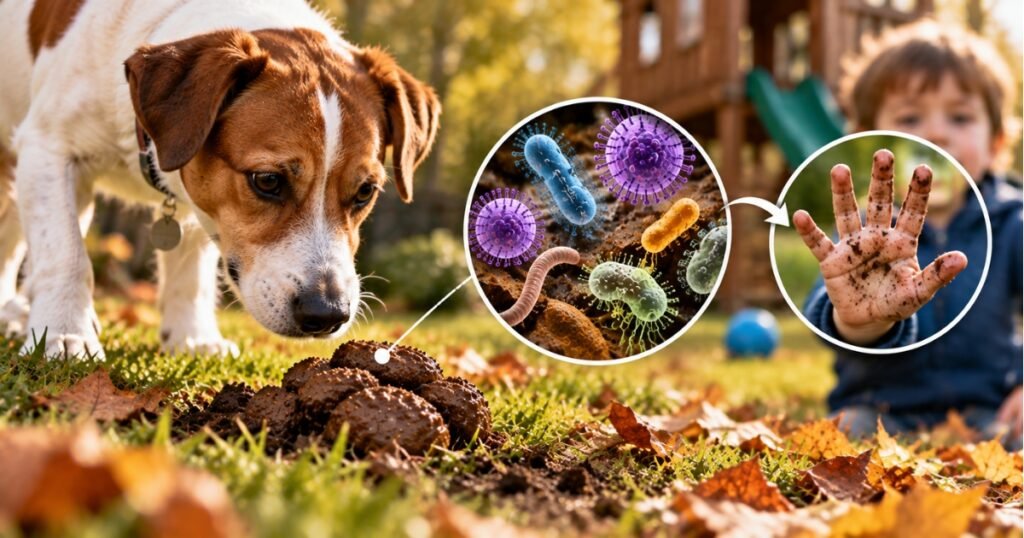
Is dog poop dangerous to humans? Yes, it can be, because fresh and aged dog waste can carry parasite eggs and bacteria that infect people through hand-to-mouth contact or contaminated soil. For a healthy adult who bags waste properly and washes their hands, the real-world risk is low. The bigger concern is young children, pregnant people and anyone with a weakened immune system.
Dog stool is mostly undigested food, water and gut bacteria. The part that matters for human health is what rides along with it: parasite eggs, protozoa and bacteria shed from the dog’s intestines.
A dog can look completely healthy and still shed these. That is why the question “is dog poop dangerous to humans” does not have a simple no, even for well cared for pets on regular deworming.
Both, depending on who touches it. Asking is dog poop dangerous to humans is really asking about exposure: brief contact through a bag followed by handwashing is very different from a toddler playing in soil where waste sat for weeks.
Keep this proportionate. Millions of owners scoop daily without ever getting sick. Risk climbs when waste is left to break down in soil, sand or carpet, and when hands go to mouths afterwards.
These are the well-established ones. The American Veterinary Medical Association’s guide to pet parasites covers the parasitic ones in more detail.
Eggs pass in stool and become infectious in soil after a period of days. Swallowed eggs can migrate through human tissue, which is why sandboxes and unscooped yards matter most for children.
Hookworm larvae in contaminated soil can burrow into bare skin, producing an itchy, winding rash on feet, legs or buttocks. Shoes and scooped ground prevent it.
Whipworm mainly affects dogs, but eggs are hardy in soil and are a good reason to keep a yard clear. Remove waste before eggs have time to mature.
These protozoa spread through swallowed cysts, often via contaminated water, hands or surfaces. They cause watery diarrhea and can be stubborn.
Bacteria shed in stool, sometimes by dogs with no symptoms at all. Both cause cramping, fever and diarrhea in people.
Dog waste carries E. coli, including strains that can cause illness in humans if swallowed. It is also the marker used when testing water for fecal contamination.
One clarification people often want: parvovirus is a dog-to-dog disease. Canine parvo does not infect humans, though it survives a long time in soil and is dangerous to unvaccinated dogs.
Dog poop bacteria and parasite eggs behave differently, and that changes how you handle waste.
| Factor | Bacteria (salmonella, E. coli) | Parasite eggs (roundworm, whipworm) |
|---|---|---|
| Infectious when fresh | Yes | Usually not, needs days to mature |
| Survival in soil | Days to weeks | Months to years |
| Killed by drying | Often reduced | Often not |
| Main fix | Prompt removal, handwashing | Prompt removal before eggs mature |
The takeaway is the same either way: pick it up quickly and wash your hands.
People rarely get sick from the act of bagging waste. Infection almost always follows one of these routes:
Break the hand-to-mouth link and you remove most of the risk. Soap and running water beat hand sanitizer here, because sanitizer does not reliably handle parasite eggs.
Yes. Drying kills some bacteria, but roundworm and whipworm eggs are built to survive drying, sun and cold. A crumbly old pile in the yard is often more of a parasite risk than a fresh one.
Dried waste also breaks apart and mixes into soil and lawn thatch, which spreads eggs over a wider area. Scraping dried piles can raise dust, so wet the spot first, avoid sweeping it dry indoors and wash up afterwards. Anyone still wondering is dog poop dangerous to humans after it dries has the answer here: age does not make it safe.
Roundworm eggs can persist in soil for months and, in shaded moist conditions, far longer. They are not removed by rain or a lawn mower.
This is the strongest argument for scooping on a schedule rather than waiting for the weekend. If you want a timeline for yard risk, see the breakdown of how long dog poop can sit in a yard.
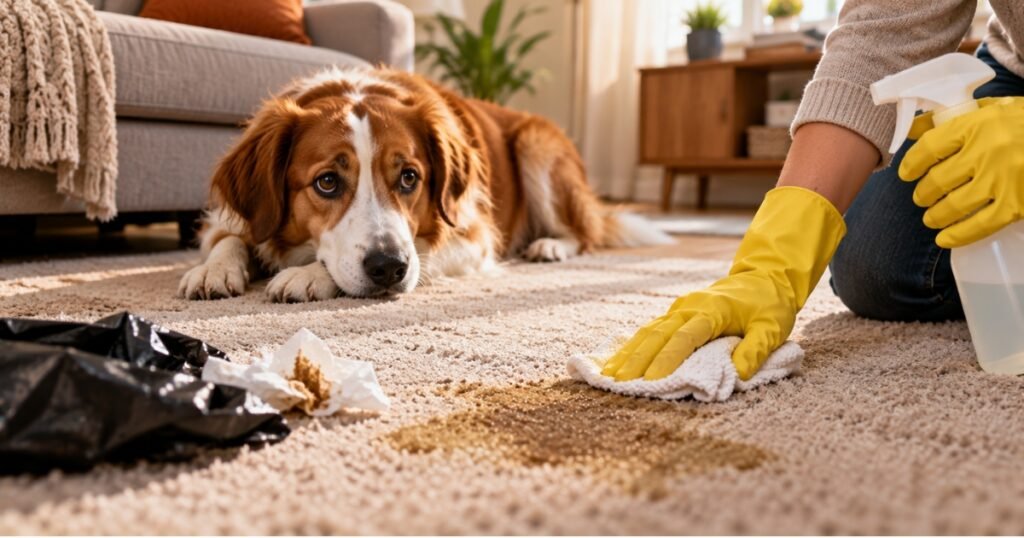
Indoor accidents deserve more care than a paper towel and a spritz. Carpet fibers and padding hold moisture, and bacteria multiply in that damp layer.
Urine is a lower parasite risk but a real ammonia and odor problem, and it draws dogs back to the same spot. For a full walkthrough of indoor messes, the guide to cleaning dog diarrhea from carpet is more detailed.
This is where is dog poop dangerous to humans stops being theoretical. Small children put hands in their mouths, crawl on grass and dig in soil.
Practical protections:
Waste left on lawns and sidewalks washes into storm drains, which usually flow to creeks and lakes untreated. The EPA lists pet waste as a source of nutrient pollution from your yard, alongside excess fertilizer.
That runoff carries both nutrients and fecal bacteria into water people swim in. It is one more reason bagging on walks is not just etiquette.
Can dog poop make you sick? It can, though most exposures cause nothing at all. Watch for diarrhea lasting more than a couple of days, fever, persistent stomach cramps, or an itchy winding rash on the feet or legs.
See a doctor rather than guessing, and mention the dog waste exposure. Children with unexplained eye symptoms, coughing or abdominal pain after playing in soil should be checked. Do not self-treat for parasites.
Most of the danger disappears with habits, not equipment. Here is the short version:
A sturdy bag does a lot of work here. Heavy-duty EZ-tie poop bags with a wide opening and a real handle mean less contact with the waste and a secure knot. Bags that hold their shape also matter on soft stools; see picking up soft dog poop in wet grass.
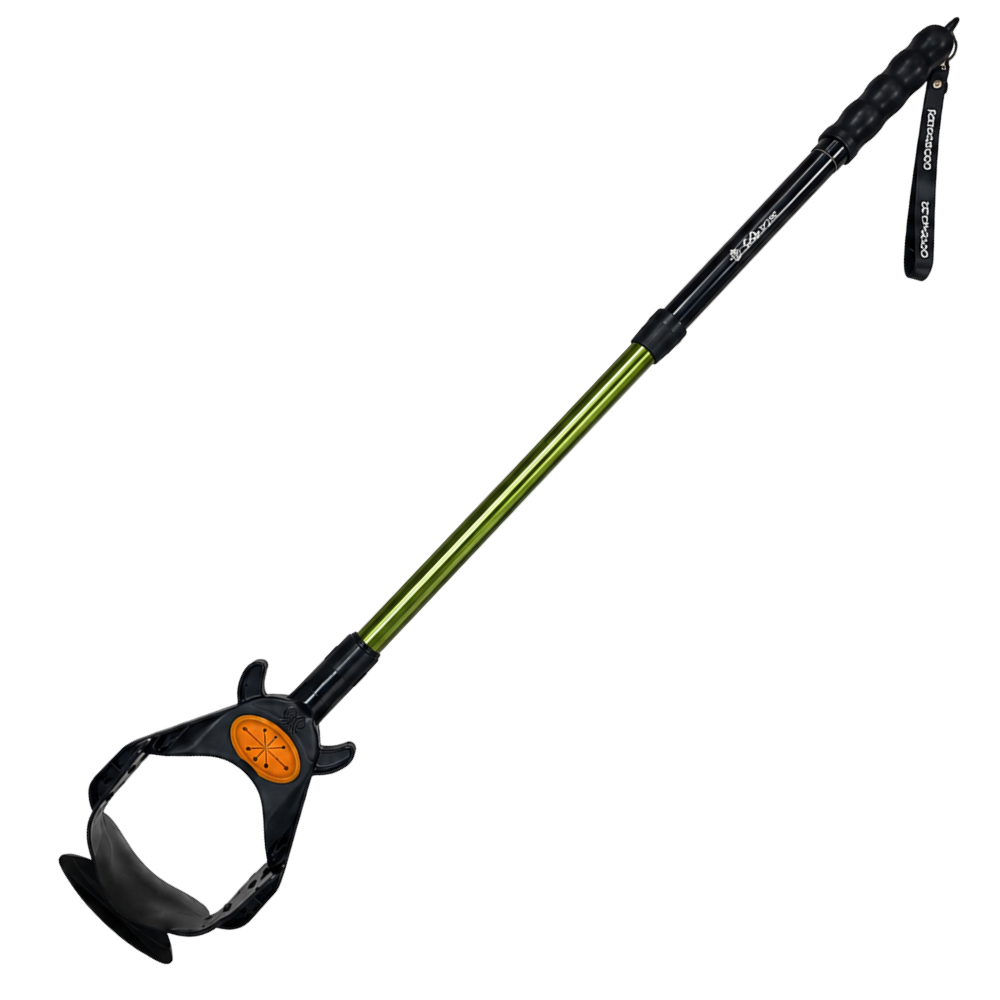
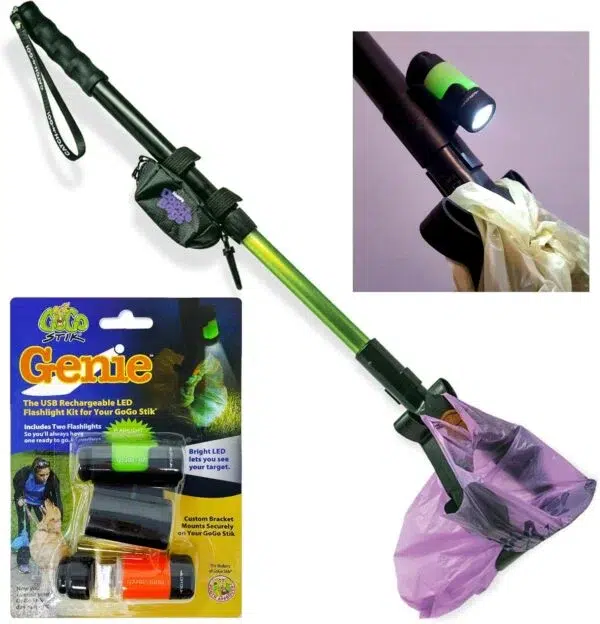
A long-handled scoop is a convenience, not medical protection, but it does put distance between your hands and the waste. That is genuinely useful if you are pregnant, immunocompromised or cleaning a yard after days of buildup.
The XP Pro long-handle pooper scooper holds the bag open so the waste drops straight in. For catching waste mid-walk before it touches grass, the Catch-N-Go catcher scooper works on paved routes. Wipe paws and rear ends afterwards with pet wipes for paws and butt so nothing travels indoors. Clean the tool itself too: here is how to clean a pooper scooper.
A brief touch followed by thorough handwashing with soap and running water is low risk for a healthy adult. The danger comes from not washing, then touching food or your face. Hand sanitizer is a poor substitute because it does not reliably inactivate parasite eggs. If you have broken skin on your hands, wear gloves or use a scoop.
The odor itself is gas, mainly sulfur compounds and ammonia, and it is not a parasite risk. Strong ammonia from a badly soiled indoor area can irritate eyes, nose and airways, especially in a small unventilated room. The real concern with dried waste is dust carrying eggs, so wet the area before cleaning instead of sweeping it dry.
Young children, pregnant people, older adults and anyone immunocompromised, including people on chemotherapy or immune-suppressing medication. Children are highest risk because of hand-to-mouth behavior and playing in soil. If you are in one of these groups, wear gloves, use a long-handled scoop, and ask another household member to handle heavy yard cleanup where possible.
Is dog poop dangerous to humans? It can be, mostly through parasite eggs in soil and bacteria spread hand-to-mouth, and dried waste is not safer than fresh. For most healthy adults the everyday risk is small, and it gets smaller with same-day pickup, a bag that does not leak and soap-and-water handwashing. Pick a scooping schedule you will actually keep, stock bags you trust, and keep your dog on its vet’s deworming plan.

Alec Beaton is the Founder & Inventor of Pooch Approved Products and GoGo Stik®. Inspired by real-life pet parenting, he turns everyday cleanup challenges into simple, innovative solutions that make life better for pets and their people.
Can a dog poop vacuum really clean your yard? Here is how suction, powered scoopers and yard robots work, what they struggle with, and what to buy.
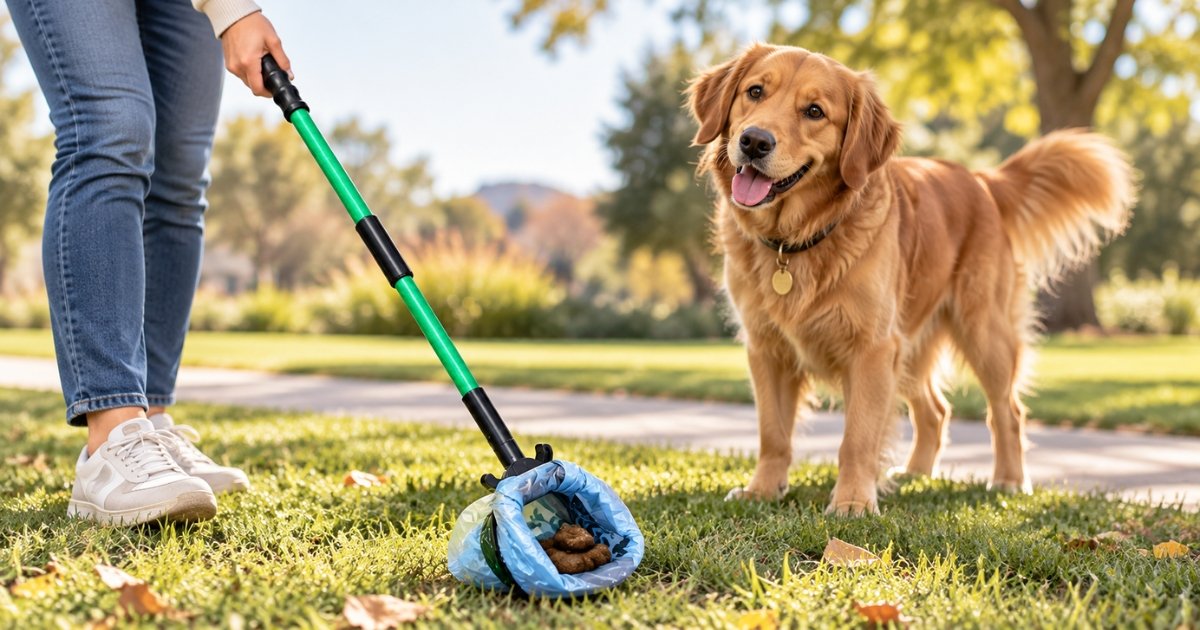
A claw pooper scooper is cheap and one-handed, but it fails on soft stool and gravel. Here are 5 checks before you buy, plus a cleaner alternative.
How long can a dog go without pooping? Learn normal timeframes, warning signs of constipation, and when to call the vet. Clear, vet-backed answers.