Home/Blogs/How to Help Your Dog Lose Weight: Expert Strategies
How to Help Your Dog Lose Weight: Expert Strategies
Watching your beloved dog struggle with excess weight can be heartbreaking. If your veterinarian has mentioned that your furry friend needs to shed a few pounds, you’re not alone—studies show that over 50% of dogs in the United States are overweight or obese. The good news? With the right approach, you can help your dog return to a healthy dog weight and enjoy a longer, more active life.
This guide will walk you through proven strategies to create an effective dog weight loss plan that works for your specific situation.
Understanding Why Your Dog is Overweight
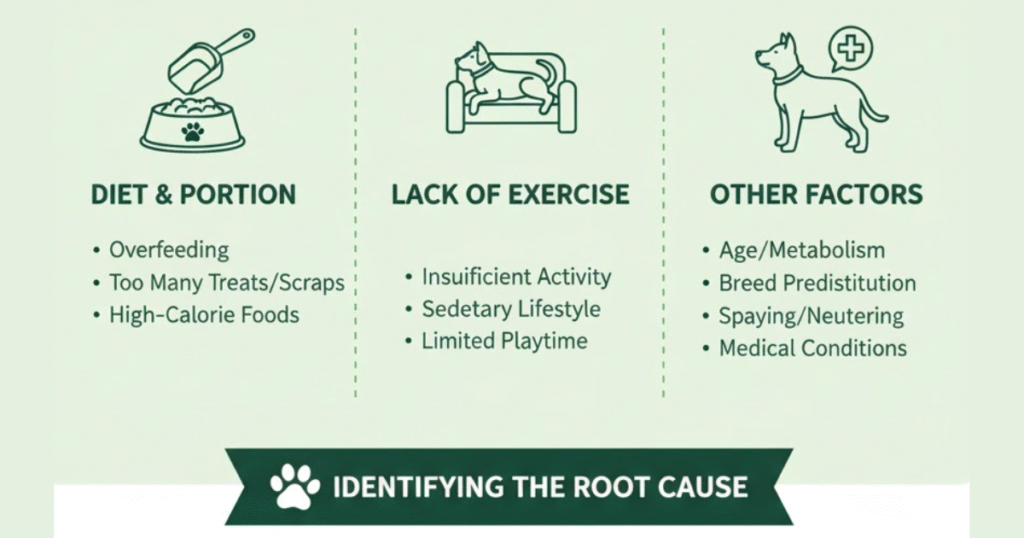
Before starting any weight loss program, it’s crucial to understand what led to the weight gain. Several factors contribute to overweight dog help needs:
Common Causes of Dog Obesity
Overfeeding: This is the leading cause. Many dog owners inadvertently give their pets too much food, especially when those puppy eyes beg for more.
Lack of Exercise: Modern lifestyles often mean less outdoor time for dogs. A sedentary lifestyle leads to weight gain just as it does in humans.
Age-Related Metabolism Changes: Senior dogs naturally slow down and require fewer calories, but their portions often remain the same.
Medical Conditions: Hypothyroidism, Cushing’s disease, and other health issues can cause weight gain. Always consult your vet to rule out underlying conditions.
Breed Predisposition: Certain breeds like Labrador Retrievers, Beagles, Pugs, and Cocker Spaniels are more prone to obesity.
Spaying or Neutering: These procedures can slow metabolism by 25-30%, making weight management more challenging.
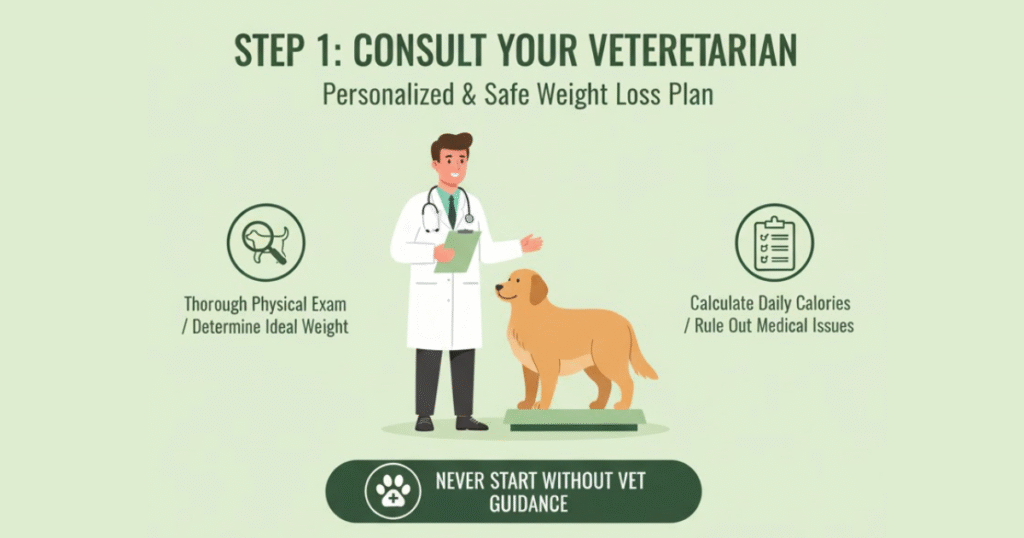
Step 1: Consult Your Veterinarian
Your first action should always be scheduling a vet appointment. This isn’t just about confirming your dog needs to lose weight—it’s about creating a safe, personalized plan.
During the visit, your vet will:
Conduct a thorough physical examination
Determine your dog’s ideal weight range
Rule out medical conditions causing weight gain
Calculate daily caloric needs
Recommend a safe weight loss timeline (typically 1-2% of body weight per week)
Never start a weight loss program without veterinary guidance. Rapid weight loss can cause serious health complications, especially liver problems in dogs.
Step 2: Measure and Control Food Portions
Portion control is the foundation of any successful canine diet tips strategy.
Calculate Daily Caloric Needs
Your vet will provide specific calorie targets, but here’s a general formula:
Weight loss calories = (Ideal weight in pounds) × 10-12 calories
For example, if your dog should weigh 50 pounds:
50 × 10 = 500 calories per day minimum
50 × 12 = 600 calories per day maximum
Use Measuring Tools
Ditch the “eyeballing” method. Invest in:
A digital kitchen scale (most accurate)
Proper measuring cups designed for pet food
A food journal or tracking app
Feed at consistent times each day—typically twice daily for adult dogs. This prevents hunger-driven begging and stabilizes metabolism.
Choose the Right Food
Weight Management Formulas: These commercial diets are specifically designed with:
Lower calorie density
Higher fiber content (increases satiety)
Optimal protein levels (preserves muscle mass)
Essential nutrients in proper ratios
Read Labels Carefully: Look for foods with:
Real meat as the first ingredient
Limited fillers like corn or wheat
At least 25-30% protein
5-10% fiber
Your vet may recommend prescription weight loss foods for severely obese dogs or those with other health conditions.
Step 3: Eliminate Table Scraps and Limit Treats
Those innocent table scraps add up quickly. A small piece of cheese or bite of chicken might seem harmless, but these extras can sabotage your pet obesity solutions efforts.
The Treat Rule
Treats should comprise no more than 10% of daily calories. For a dog on a 500-calorie diet, that’s just 50 calories from treats.
Low-Calorie Treat Options:
Baby carrots (4 calories each)
Green beans (7 calories per 1/4 cup)
Apple slices without seeds (15 calories per slice)
Plain air-popped popcorn (31 calories per cup)
Ice cubes or frozen low-sodium broth cubes (0-5 calories)
Commercial Treats: Choose options under 5 calories per treat and break larger treats into smaller pieces.
Handle Begging Behavior
Dogs beg because it works. Break this cycle by:
Never feeding from the table
Ignoring begging completely (don’t even make eye contact)
Removing your dog from the room during family meals
Using puzzle toys to keep them occupied
Rewarding calm behavior instead
Family members must stay consistent. One person sneaking treats will derail progress.
Step 4: Increase Physical Activity
Exercise burns calories, builds muscle, and improves overall health. Start slowly, especially if your dog is very overweight or hasn’t been active.
DIY Options: Place food in a muffin tin covered with tennis balls, or spread kibble in the yard for a “treasure hunt.”
Step 6: Schedule Regular Weigh-Ins
Monitoring progress keeps you accountable and allows for plan adjustments.
Weekly Weigh-Ins
Use the same scale each time
Weigh at the same time of day (morning is best)
Record results in a journal or app
Take progress photos monthly
For large dogs, visit your vet clinic for accurate weights. Many veterinary offices offer free weigh-in visits.
What to Expect
Healthy Weight Loss Rate: 1-2% of body weight per week
50-pound dog: 0.5-1 pound per week
100-pound dog: 1-2 pounds per week
If weight loss stalls for 2-3 weeks, consult your vet. You may need to:
Reduce calories slightly
Increase exercise duration
Rule out medical issues
Step 7: Address Emotional Eating and Boredom
Dogs often eat out of boredom rather than hunger. Enrichment activities reduce this behavior.
Mental Stimulation Ideas
Training sessions (teaches new tricks or reinforces commands)
Scent work and nose games
Rotating toys to maintain novelty
Socialization with other dogs
Car rides to new locations
Watching “dog TV” (nature videos designed for pets)
Dealing with Food Obsession
Some dogs fixate on food. Strategies include:
Feeding smaller, more frequent meals (3-4 times daily)
Adding warm water to kibble (increases volume)
Mixing in low-calorie vegetables
Using portion of daily food for training rewards
Keeping dogs out of the kitchen during meal prep
Step 8: Get the Whole Family Involved
Weight loss fails when family members aren’t on the same page.
Create a Feeding Chart
Post it on the refrigerator showing:
Exact meal portions
Feeding times
Who fed the dog (checking off)
Approved treat list and quantities
Educate Children
Kids often sneak treats to pets. Explain that:
Extra food hurts their pet’s health
They can show love through play instead
Achieving weight goals helps their dog live longer
Assign Responsibilities
Divide tasks among family members:
Morning feedings
Evening feedings
Morning walks
Evening walks
Weekend play sessions
Shared responsibility increases success rates.
Step 9: Consider Prescription Diets or Medications
For dogs struggling to lose weight through diet and exercise alone, additional options exist.
Prescription Weight Loss Diets
These veterinary formulas offer:
Precise calorie control
High fiber for satiety
L-carnitine to boost metabolism
Optimal nutrient balance
Popular brands include Hill’s Prescription Diet r/d, Royal Canin Weight Control, and Purina Pro Plan Veterinary Diets OM.
Weight Loss Medications
In some cases, vets prescribe:
Dirlotapide: Reduces fat absorption
Mitratapide: Inhibits fat and cholesterol absorption
These medications have potential side effects and should only be used under close veterinary supervision. They work best combined with diet and exercise changes.
Step 10: Plan for Weight Maintenance
Reaching the goal weight is just the beginning. Preventing regain requires ongoing commitment.
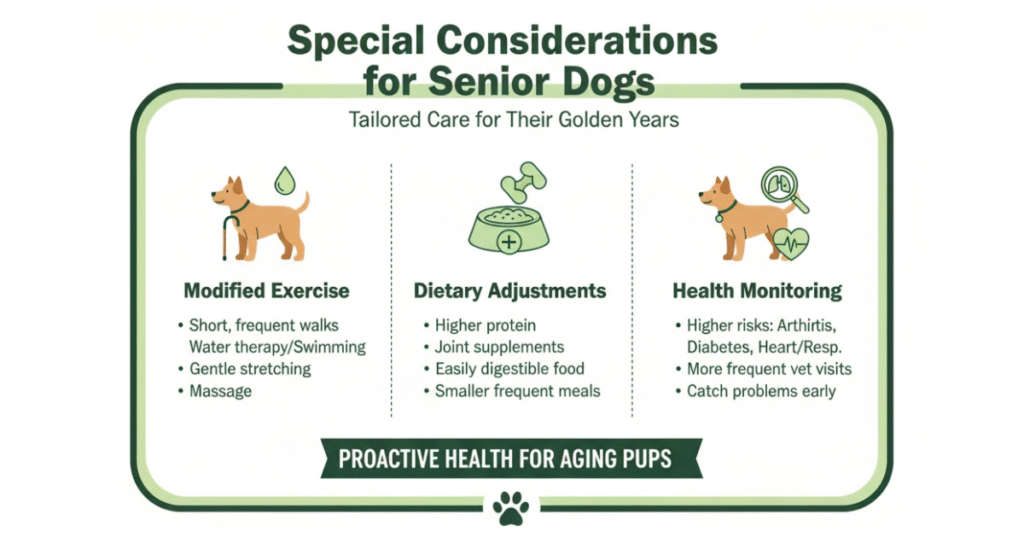
More frequent vet visits (every 6 months) help catch problems early.
Success Stories and Realistic Expectations
Weight loss takes time. A dog needing to lose 20 pounds might require 5-6 months of consistent effort.
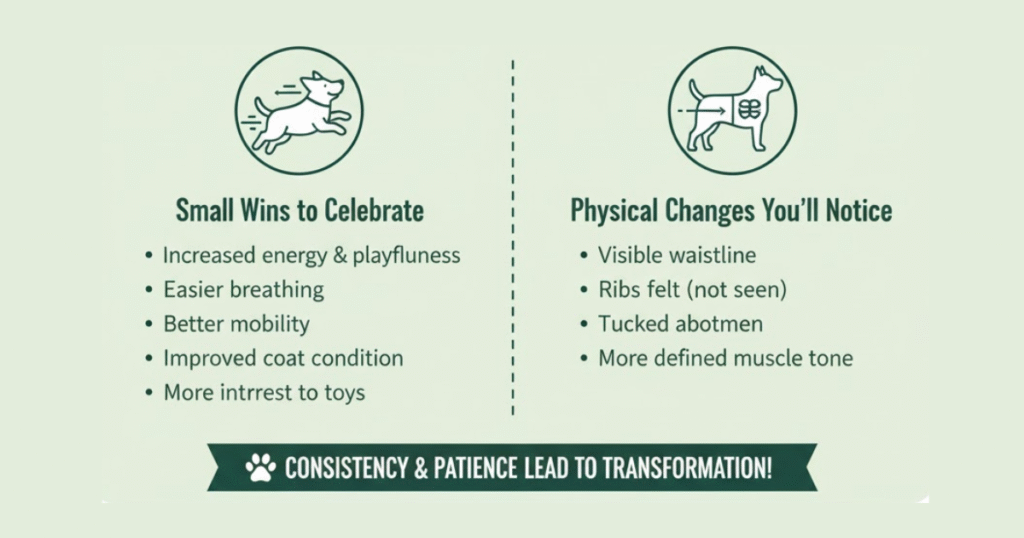
Small Wins to Celebrate:
Increased energy and playfulness
Easier breathing during activity
Better mobility and less stiffness
Improved coat condition
More interest in toys and interaction
Reduced panting at rest
Physical Changes You’ll Notice:
Visible waistline when viewed from above
Rib bones easily felt (but not seen)
Tucked abdomen when viewed from the side
More defined muscle tone
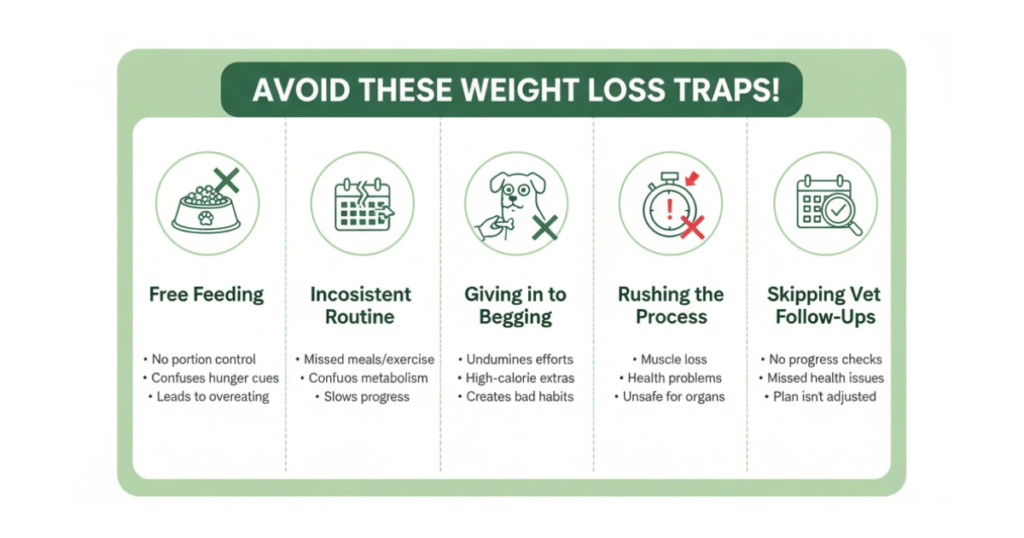
Common Mistakes to Avoid
Free Feeding
Leaving food out all day prevents portion control. Always use scheduled meal times.
Inconsistent Routines
Varying meal times, portions, or exercise schedules confuses metabolism and hunger cues.
Giving in to Begging
One family member caving undermines everyone’s efforts. Stay strong together.
Rushing the Process
Losing weight too quickly causes muscle loss and health problems. Slow and steady wins this race.
Skipping Vet Follow-Ups
Regular check-ins ensure the plan is working safely and effectively.
Conclusion
Helping your dog lose weight requires dedication, patience, and a comprehensive approach. By combining proper nutrition, regular exercise, family involvement, and veterinary guidance, you can help your furry friend achieve a healthy weight and enjoy improved quality of life.
The effort you invest now pays dividends in extra years together and improved daily comfort for your beloved companion. Start today with small, manageable changes, and celebrate every milestone along the way. Your dog depends on you to make healthy choices on their behalf—and they’ll thank you with renewed energy, better mobility, and countless tail wags.
For maintaining an active lifestyle with your dog during their weight loss journey, quality pet cleanup products make outdoor exercise more convenient and enjoyable for both of you.
FAQs
How much weight should my dog lose per week?
A safe weight loss rate for dogs is 1-2% of their body weight per week. For a 50-pound dog, this translates to roughly 0.5 to 1 pound weekly. Losing weight too quickly can cause serious health issues, including hepatic lipidosis (fatty liver disease), muscle loss, and nutritional deficiencies. Your veterinarian will calculate the appropriate rate based on your dog’s starting weight, age, breed, and overall health status. If your dog isn’t losing weight after 3-4 weeks on the plan, the caloric intake may need adjustment. Conversely, if weight drops too rapidly, you’ll need to increase portions slightly. Regular weigh-ins every 7-10 days help ensure the pace stays within safe parameters.
Can I use human diet foods for my dog’s weight loss?
No, you should avoid feeding human diet foods to dogs. While some low-calorie human foods like plain vegetables are safe in moderation, products marketed for human weight loss often contain artificial sweeteners (especially xylitol, which is toxic to dogs), high sodium levels, and improper nutrient ratios for canine needs. Dogs require specific balances of protein, fat, vitamins, and minerals that differ significantly from human requirements. Instead, choose dog foods formulated for weight management or prescription veterinary diets. These products maintain proper nutrition while reducing calories. If you want to supplement with fresh foods, stick to veterinarian-approved options like carrots, green beans, or lean cooked chicken breast in appropriate quantities that fit within daily calorie limits.
How long will it take my overweight dog to reach a healthy weight?
The timeline depends on how much weight your dog needs to lose and their individual metabolism. As a general guideline, a dog needing to lose 10% of body weight (a 60-pound dog dropping to 54 pounds) might take 6-12 weeks following a proper plan. Dogs requiring more substantial weight loss of 20-30% could need 4-6 months or longer. Several factors affect this timeline: starting weight, age (senior dogs often lose weight more slowly), breed, activity level, metabolic rate, and consistency with the plan. Medical conditions like hypothyroidism can slow progress until properly treated. The key is maintaining safe, steady progress rather than rapid weight loss. Patience and consistency matter more than speed. If you see no results after one month of strict adherence to the plan, consult your veterinarian for adjustments.
Will my dog be hungry all the time on a diet?
Initially, your dog may seem hungrier as they adjust to smaller portions, but several strategies minimize this discomfort. High-fiber dog foods increase feelings of fullness without adding calories. Adding plain vegetables like green beans or carrots to meals increases volume while keeping calories low. Feeding smaller, more frequent meals (3-4 times daily instead of 2) helps stabilize blood sugar and reduces hunger peaks. Using slow-feeder bowls or puzzle toys makes meals last 10-15 minutes rather than 60 seconds. After 1-2 weeks, most dogs adapt to new portion sizes, and constant begging typically decreases. If your dog seems genuinely hungry (not just bored or attention-seeking), discuss with your vet whether calories are too restricted. True hunger accompanied by lethargy or behavior changes may indicate portions are too small.
Should I cut out all treats during my dog’s weight loss?
No, you don’t need to eliminate treats entirely—you just need to account for them in daily calorie totals. Treats should comprise no more than 10% of your dog’s daily caloric intake. For a dog eating 500 calories daily, that allows 50 calories for treats. Choose low-calorie options like small pieces of vegetables, plain air-popped popcorn, or commercial treats under 5 calories each. Break larger treats into smaller pieces to make them last. You can also use portion of your dog’s regular kibble as training rewards, subtracting that amount from meals. This approach maintains training effectiveness and bonding moments without sabotaging weight loss. Completely eliminating treats often leads to frustration for both dog and owner, making the plan harder to sustain long-term. Smart treat management offers a balanced, sustainable approach.
Can exercise alone help my dog lose weight without diet changes?
Exercise alone is rarely sufficient for significant weight loss in dogs, just as in humans. While physical activity burns calories and builds muscle, diet changes create the caloric deficit necessary for weight loss. A 30-minute walk burns approximately 50-100 calories for a medium-sized dog, but a single large biscuit treat contains 100+ calories—easily negating the exercise benefits. The most effective dog weight loss plans combine reduced caloric intake (approximately 70-80% of the effort) with increased activity (20-30%). Exercise provides crucial benefits beyond calorie burning: improved cardiovascular health, maintained muscle mass during weight loss, mental stimulation, and better joint mobility. However, overweight dogs often struggle with exercise initially due to limited stamina and joint stress. Start with diet changes first, then gradually increase activity as your dog loses weight and gains energy.
What if my dog has joint problems and can’t exercise much?
Dogs with arthritis, hip dysplasia, or other mobility issues can still lose weight successfully, though exercise modifications are necessary. Focus primarily on diet management, which can achieve 70-80% of weight loss goals. For exercise, choose low-impact activities: swimming or hydrotherapy (water supports body weight while providing resistance), short, slow-paced walks on soft surfaces like grass, and gentle indoor activities like sniffing games or food puzzles. Consult your vet about pain management options including supplements (glucosamine, chondrotin, omega-3 fatty acids), prescription pain medications, or injectable joint treatments. Losing weight actually improves joint health by reducing stress on affected areas—many owners notice improved mobility as pounds drop. Physical therapy or rehabilitation exercises designed by a veterinary specialist can also help. The goal is finding a sustainable activity level that doesn’t cause pain while supporting gradual weight loss.
Is it normal for weight loss to plateau?
Yes, weight loss plateaus are common and frustrating but normal. After initial success, your dog’s body adapts to the lower calorie intake and reduced weight, slowing metabolism slightly. If weight stays the same for 2-3 weeks despite strict adherence to the plan, several adjustments can help. First, verify you’re measuring portions accurately and accounting for all treats and table scraps—portion creep is the most common culprit. Second, consider slightly reducing daily calories by 10% or increasing exercise duration by 15-20 minutes. Third, rule out medical issues—your vet may want to check thyroid function or other metabolic factors. Fourth, reassess your dog’s ideal weight goal; sometimes what seems like a plateau actually means you’ve reached an appropriate weight for your dog’s frame and bone structure. Finally, recognize that the last few pounds often come off most slowly. Stay consistent and patient rather than making drastic changes.
raining your dog can transform your relationship and make daily life easier for both of you. Clicker training stands out as one of the most effective, science-based methods available today. This positive reinforcement technique helps dogs learn faster while strengthening the bond between you and your furry companion. What Is
Training a new puppy requires patience, consistency, and the right approach. Whether you’re a first-time dog owner or adding another furry friend to your family, these proven techniques will help you raise a well-behaved companion. Let’s explore ten essential strategies that make puppy training effective and enjoyable. 1. Start Training
Is your furry friend constantly gnawing at their paws? You’re not alone. Paw chewing is one of the most frequent behavioral issues dog owners face, and understanding the root cause is the first step toward helping your pet find relief. Understanding Why Dogs Chew Their Paws Dogs communicate discomfort through