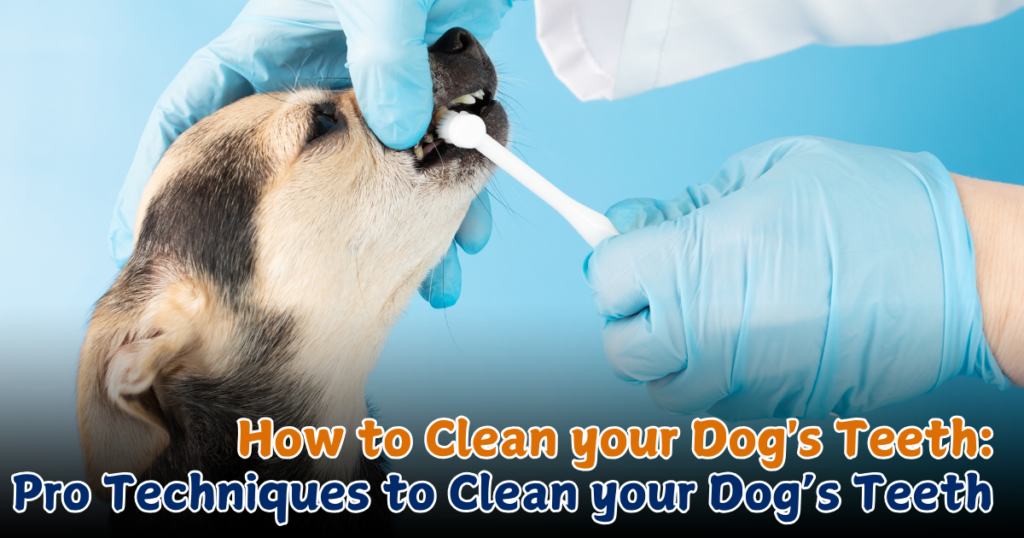
Not exactly what is involved in that loving tummy rub, food bowl always filled, and the stuffing of those adorable little cuties for an evening stroll down the block. Dogs also need their teeth cleaned as much as their masters need to be cleaned to achieve a fresh mouth. Not good oral hygiene contributes to several problems: it may result in foul breath and agonizing infections; worse, more serious conditions might surface, including heart disease. The good news is that all of that may be prevented through a healthy routine of cleaning their teeth. Let’s get on How to Clean your Dog’s Teeth with all the information you may need to learn about keeping your dog’s teeth clean.
Why Dog Dental Care Matters
Most pet owners forget about their pet’s oral care, but trust me, they are just as important as eating a healthy meal. Here are some reasons:
Prevents from the formation of plaque and tarter, resulting in gum diseases.
Reduces the risk for tooth decay, and tooth falls.
Prevent bad breath commonly known as bad breath or dental halitosis.
Protects overall health—oral infections can lead to serious organ damage if bacteria enter the bloodstream.
Prepping for Teeth Cleaning
Before diving into a brushing routine, you’ll need the right tools:
Dog-safe toothpaste: Never use human toothpaste! Many contain xylitol, which is poison to dogs.
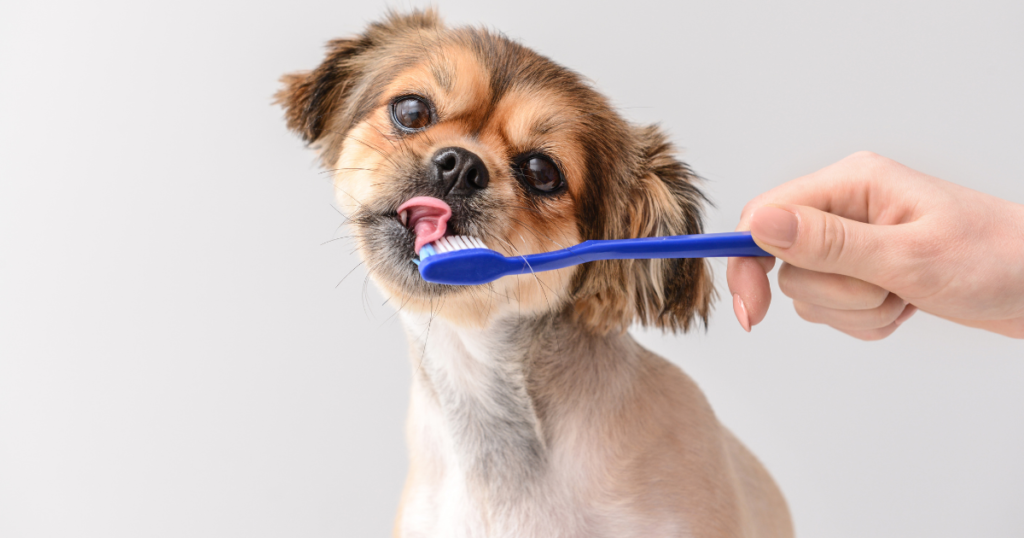
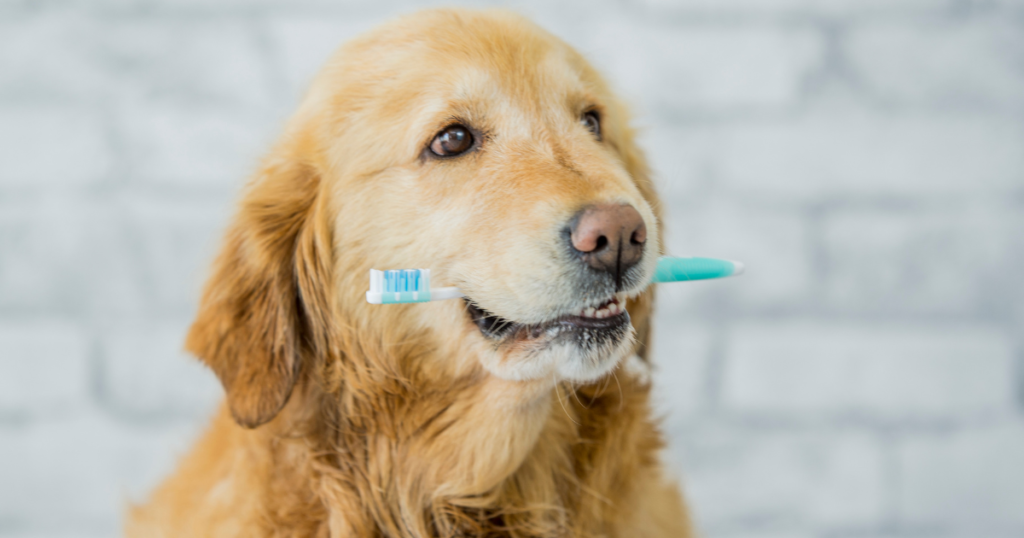
Dog toothbrush: Available in a range of styles; some resemble fingers, and some are long-bristled ones.
Dental wipes: A good substitute if your dog doesn’t enjoy brushing.
Dental treats and chews: Help reduce plaque and tartar.
Water additives: Added to drinking water to promote oral health.
Keeping Your Dog Calm During Brushing
Not all dogs will love having their teeth brushed at first. Here’s how to ease them into the routine:
Start slow: Let your pup sniff and lick the toothpaste before brushing.
Positive reinforcement: Praise and treat them afterwards.
Make it short: Begin with several seconds and increase from there gradually.
Quiet area: To minimize distractions and anxiety.
Step-by-Step Brushing Guide for Your Dog’s Teeth
Introduce toothpaste: Allow your dog to taste a tiny bit.
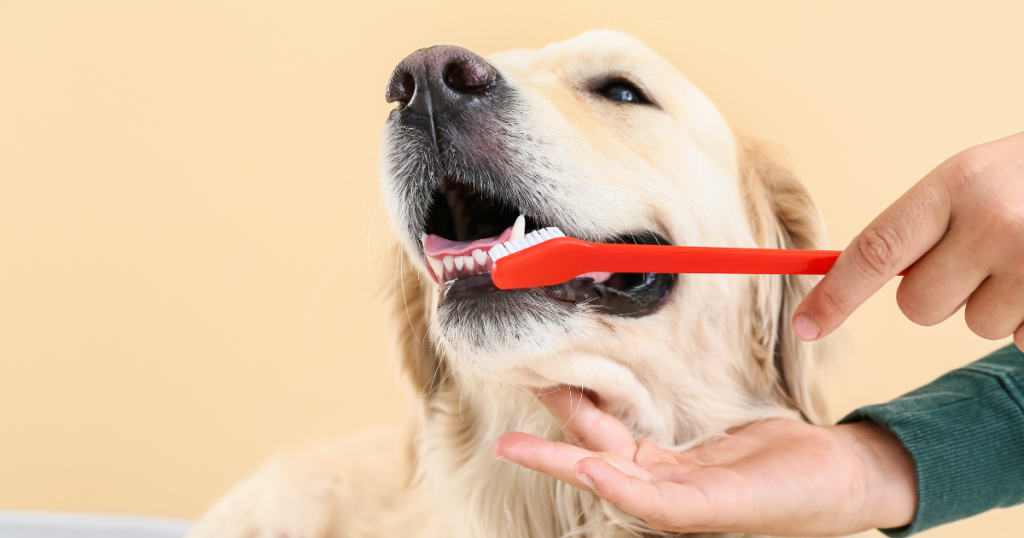
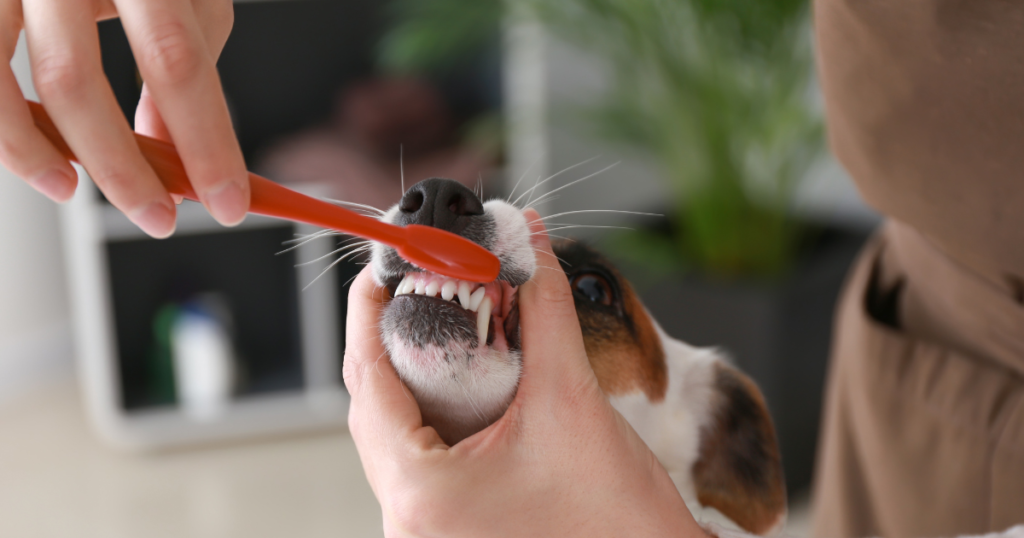
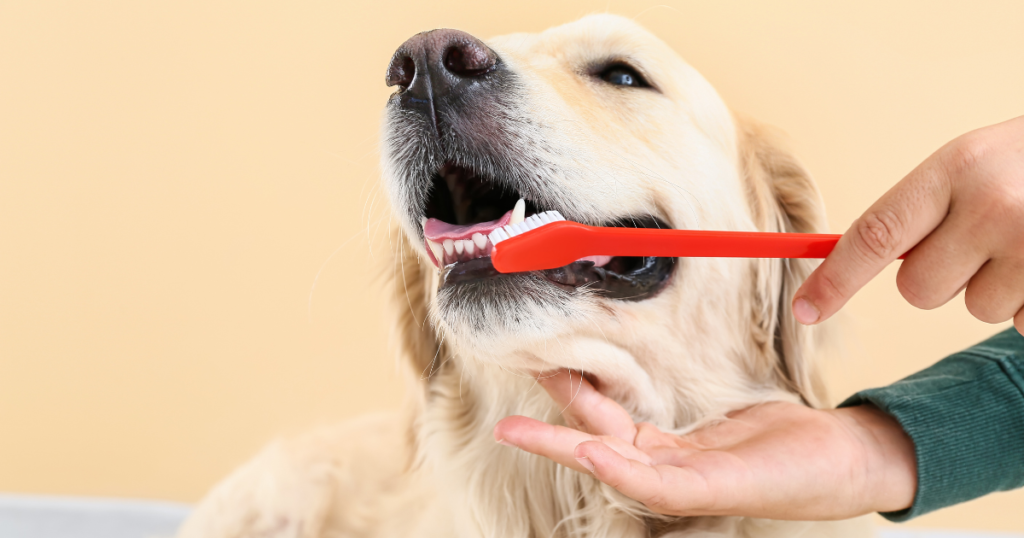
Lift their lips: Gently expose their teeth and gums.
Brush the front teeth: Use a circular motion.
Move to the back teeth: Slowly reach further inside their mouth.
Focus on the gum line: Where plaque builds up the most.
Be patient: Take breaks if needed.
Reward your puppy: Praise and treats are what should accompany good behavior.
How often must you brush your dog?
You should brush them daily, but every 3 to 4 days is a bare minimum requirement to prevent oral disease.
Brushing along with dental chews, water additives, and professional cleanings will give your dog the best shot at health.
Signs Your Dog Has Dental Problems
Watch for these warning signs that may indicate oral health issues:
Bad breath that doesn’t go away
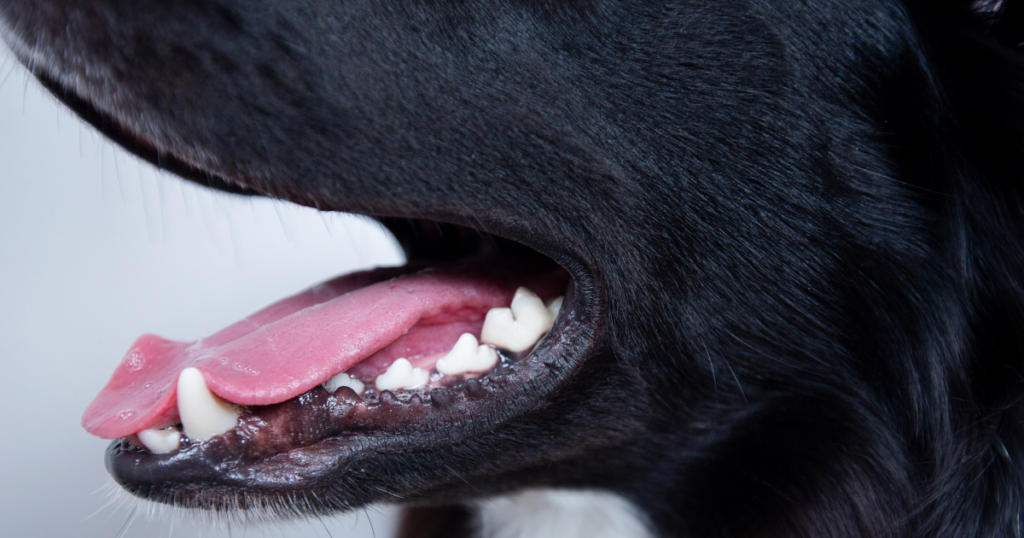
Yellow or brown tartar buildup
Red, swollen, or bleeding gums
Difficulty chewing or eating
Excessive drooling
Loose or missing teeth
Toothbrush Alternatives
If your dog refuses to tolerate brushing, try these:
1. Dental Wipes
Easy-to-use wipes help remove plaque.
Simply rub them over your dog’s teeth and gums.
2. Dental Chews and Treats
Specially designed to scrape plaque while your dog chews.
Look for products with enzymes or textures that promote dental health.
3. Water Additives
Mix into your dog’s drinking water to help prevent bacteria buildup.
A simple solution for dogs who hate brushing.
4. Dog-Safe Bones and Chew Toys
Natural bones or rubber chew toys help clean teeth naturally.
Avoid overly hard bones that can break teeth.
Professional Dental Cleanings
Sometimes, at-home care isn’t enough, especially if your dog already has severe plaque buildup or gum disease. Veterinarians recommend professional cleanings once a year, where they:
Remove hardened tartar.
Check for hidden infections.
Perform extractions if necessary.
Smaller Dog Breeds and Dental Issues
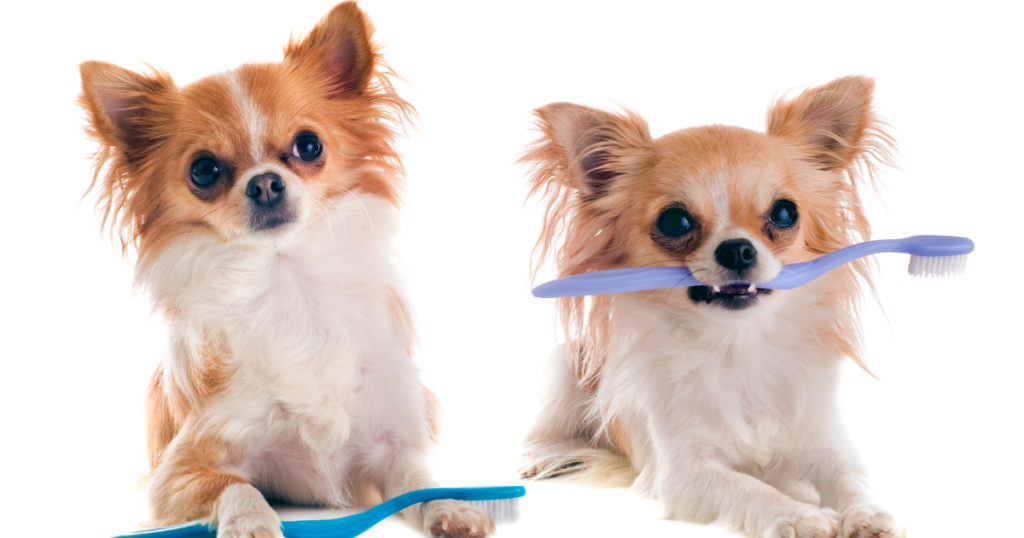
Smaller breeds such as Chihuahua, pug, or Yorkshire terriers have small jaws and crowded dental arrangements. Because of this, they are more apt to have dentals. And more care goes into preventing any kind of plaque buildup.
How Oral Health Affects Total Health
You know that infections from the teeth can cause heart disease.Those bacteria from gum infection easily invade the bloodstream to cause infections within other vital organs such as the heart, liver, and kidneys. Therefore, avoiding dental diseases means keeping your dog healthy for years ahead.
Conclusion
Many things one can do for a dog’s dental health-brushing, chewing, dental wipes, etc. Regular scheduled vet appointments will also help in keeping their teeth shining and steady with wagging tails. So come on and make today the beginning of this adventure. Your dogs will reward you with fresher kisses and healthy lives.
FAQs
1. How to remove plaque in dog’s mouth naturally?
Cleaning the pet’s mouth and teeth best should be through brushing with pet toothpaste. There are also dental chews, raw bones, and chew toys.
2. May I use toothpaste for human use on a dog?
Absolutely not! Humans commonly use their toothpaste products with xylitol, a product that poisons dogs. Make sure you are using the correct toothpaste specifically designed for animals.
3. My dog doesn’t tolerate having me brush her or his teeth. What should I do?
You can use dental wipes, water additives, or dental chews as an alternative. You can condition your dog with positive reinforcement to gradually accept brushing.
4. How often will my dog need a professional dental cleaning?
Most vets advise annually cleaning. Some breeds, however need to be cleaned more frequently, especially the smaller breeds.
5. What type of chew is best for my dog’s oral health?
Rubber chew toys; Textured dental chews; Enzymatic treats. Avoid hard bones that could break teeth.
Every dog owner knows the struggle of keeping treats organized. Bags rip open, treats go stale, and the kitchen counter turns into a mess. A DIY dog treat jar solves all of that — and it looks great sitting on your counter, too. In this guide, you will learn how
Dogs are more than pets — they’re stress relievers, mood boosters, and loyal companions who show up for us every single day. In fact, spending just a few minutes with your dog can lower cortisol levels and increase the feel-good hormone oxytocin. But here’s the thing: if your daily dog
Dogs are curious by nature. They sniff, chew, and taste just about everything they come across—including your houseplants. For that reason, choosing non-toxic indoor plants that are safe for dogs should be a top priority for every pet owner. The good news? Plenty of beautiful, low-maintenance houseplants pose zero risk