Home/Blogs/How to Clean Dog Paws After Walks: A Complete Guide
How to Clean Dog Paws After Walks: A Complete Guide
Every dog owner knows the struggle: your pup comes back from a walk with muddy, dirty paws ready to track everything across your clean floors. Whether it’s rain, snow, mud, or just regular street grime, keeping your dog’s paws clean protects both your home and your pet’s health.
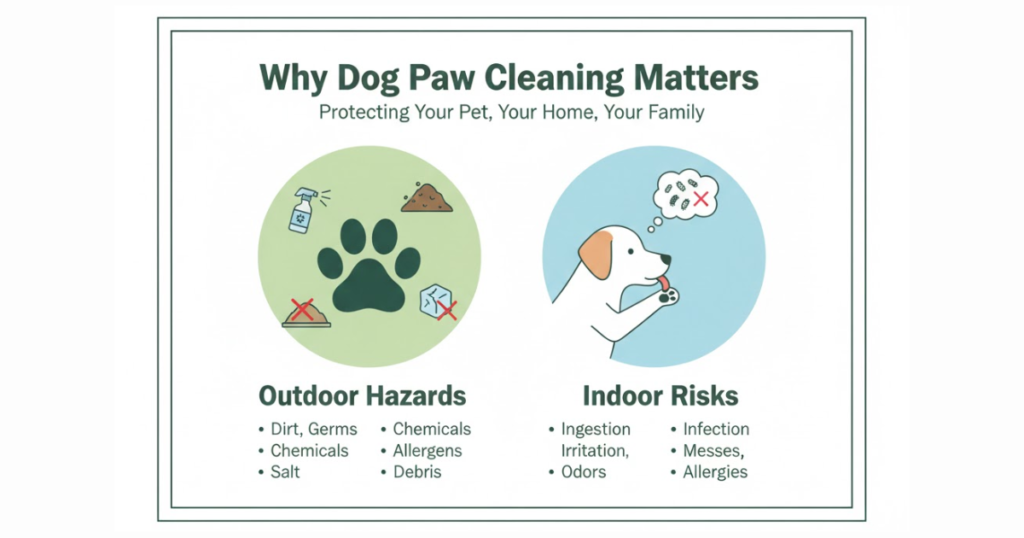
Dog paw cleaning isn’t just about maintaining a tidy house. Dirty paws can harbor bacteria, chemicals from sidewalks, allergens, and irritants that may harm your dog’s sensitive paw pads. Regular cleaning prevents infections, removes harmful substances, and helps you spot injuries early.
This guide covers everything you need to know about keeping your dog’s paws fresh and healthy after every outdoor adventure.
Why Dog Paw Cleaning Matters
Your dog’s paws come into contact with countless surfaces during walks. From hot pavement and road salt to lawn chemicals and sharp debris, these elements can damage paw pads or make your dog sick if licked off.
Dogs naturally lick their paws to clean them. However, this means they ingest whatever substances are stuck there. Regular cleaning removes these hazards before your dog can consume them.
Essential Supplies for Paw Cleaning
Before you start, gather the right tools. Having everything ready makes the process smoother for both you and your dog.
Basic Cleaning Supplies
Start with these essentials:
Pet-safe paw wipes or grooming wipes
Microfiber towels (highly absorbent)
Lukewarm water
Shallow basin or paw cleaning cup
Mild pet shampoo (for deep cleaning)
Advanced Tools
For more thorough cleaning, consider:
Paw cleaning brushes with soft silicone bristles
Portable paw washers with built-in scrubbers
Paw balm for moisturizing after cleaning
Non-slip mat to prevent slipping during cleaning
Keep your supplies near the door for quick access. This makes it easier to clean paws immediately after walks, before dirt spreads through your home.
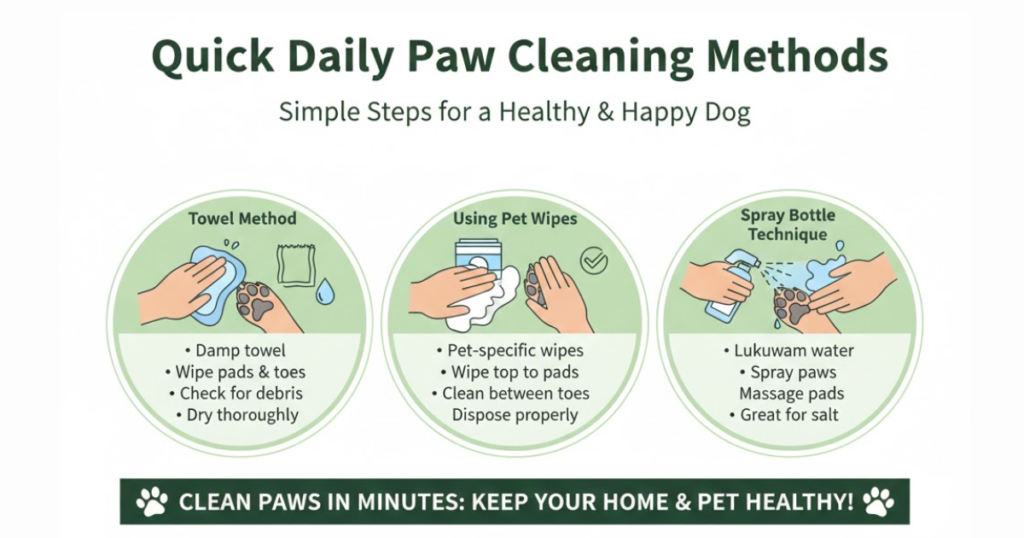
Quick Daily Paw Cleaning Methods
For routine walks on relatively clean surfaces, quick methods work perfectly. These techniques take just a few minutes and keep your floors clean.
The Towel Method
This simple approach works well for light dirt:
Dampen a microfiber towel with lukewarm water
Gently wipe each paw, focusing on paw pads and between toes
Check for debris, cuts, or unusual swelling
Dry thoroughly with a clean, dry towel
Press firmly but gently while wiping. This removes surface dirt and lets you feel for any injuries or foreign objects.
Using Pet Wipes
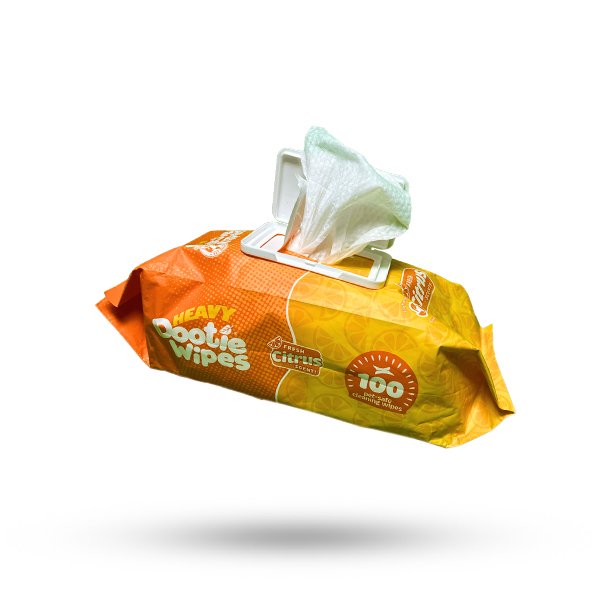
Heavy duty bags aren’t the only convenience product that makes pet care easier. Pet wipes offer a fast, portable solution for paw cleaning:
Remove one wipe from the container
Hold your dog’s paw firmly but gently
Wipe from the top of the paw down to the pads
Clean between each toe
Use a fresh wipe for heavily soiled paws
Dispose of used wipes properly
Choose wipes specifically designed for pets. Human wipes may contain ingredients that irritate your dog’s skin or cause digestive issues if licked.
The Spray Bottle Technique
For dogs who tolerate water well:
Fill a spray bottle with lukewarm water
Spray each paw thoroughly
Massage the water into paw pads with your fingers
Wipe clean with a towel
Dry completely
This method works especially well for removing salt residue during winter months.
Deep Cleaning for Muddy Paws
After walks in wet or muddy conditions, your dog’s paws need more attention. These situations require thorough cleaning to remove all dirt and contaminants.
The Basin Soak Method
This technique tackles heavy mud and grime:
Fill a shallow basin with 2-3 inches of lukewarm water
Add a small amount of pet-safe shampoo if needed
Guide your dog to step into the basin with one paw
Gently swirl the paw in the water for 10-15 seconds
Use your fingers to massage between toes and paw pads
Repeat with each paw
Rinse with clean water if you used shampoo
Dry each paw thoroughly with a towel
Never use hot water, as it can burn sensitive paw pads. Similarly, cold water may be uncomfortable and make your dog resist future cleanings.
Using a Paw Washer
Portable paw washers simplify the deep cleaning process:
Fill the washer cup with water to the indicated line
Insert your dog’s paw into the opening
Move the cup up and down gently
The soft silicone bristles scrub while you move the cup
Remove the paw and pour out dirty water
Refill with clean water for the next paw
Dry each paw after cleaning
These devices work particularly well for larger dogs or those with long fur between their toes.
Cleaning Between Toes
Dirt often accumulates between your dog’s toes, requiring extra attention:
Hold your dog’s paw gently
Spread the toes apart carefully
Use a damp cloth or soft brush to clean between each toe
Remove any visible debris, seeds, or burrs
Check for redness, swelling, or cuts
Dry between toes completely to prevent fungal growth
Long-haired breeds may need hair trimmed around their paws to reduce dirt accumulation.
Seasonal Paw Cleaning Tips
Different seasons bring unique challenges for dog paw cleaning. Adjust your routine based on weather conditions and seasonal hazards.
Winter Paw Care
Cold weather and de-icing chemicals require special attention:
Immediate Post-Walk Cleaning:
Rinse paws thoroughly to remove salt and ice melt
Check for ice balls between toes
Look for signs of chemical burns (redness, cracking)
Apply paw balm to protect against dryness
Prevention Tips:
Use pet-safe ice melt on your property
Consider dog boots for extended winter walks
Trim fur between paw pads to prevent ice buildup
Apply paw wax before walks for added protection
Summer Paw Care
Hot pavement and increased outdoor time create different concerns:
Post-Walk Routine:
Check for burns from hot surfaces
Remove grass seeds and burrs immediately
Clean off lawn chemicals and fertilizers
Inspect for bee stings or cuts from sharp objects
Prevention Tips:
Walk during cooler parts of the day
Test pavement temperature with your hand
Stick to grassy or shaded paths when possible
Rinse paws after swimming to remove chlorine or bacteria
Spring and Fall Challenges
These transitional seasons bring their own issues:
Spring:
Remove pollen and allergens that trigger reactions
Clean off mud from spring rains
Check for ticks after walks in wooded areas
Watch for lawn treatments in neighborhood yards
Fall:
Remove wet leaves that stick to paws
Clean off acorns and other seasonal debris
Check for burrs from dried plants
Prepare for early snow and ice
Training Your Dog for Paw Cleaning
Many dogs resist paw handling, making cleaning difficult. Therefore, training creates a calmer, more cooperative experience for everyone.
Starting with Puppies
Begin paw handling early:
Touch your puppy’s paws daily during calm moments
Reward with treats for allowing paw handling
Gradually hold paws for longer periods
Practice gentle cleaning motions without water
Introduce water slowly once comfortable
Puppies who learn young rarely develop paw sensitivity issues.
Training Adult Dogs
For dogs new to paw cleaning:
Week 1: Touch Desensitization
Touch paws briefly during petting sessions
Give high-value treats immediately after
Keep sessions short (2-3 minutes)
End on a positive note
Week 2: Holding Practice
Hold each paw for 5-10 seconds
Reward calm behavior
Gently manipulate toes and pads
Practice multiple times daily
Week 3: Introduce Cleaning Tools
Show your dog the towel or wipes
Let them sniff the items
Touch paws with the damp towel briefly
Reward heavily for cooperation
Week 4: Full Cleaning Sessions
Complete the entire cleaning process
Go slowly and stay calm
Praise throughout the process
Reward with treats or play afterward
Patience matters more than speed. Rushing creates anxiety that makes future cleanings harder.
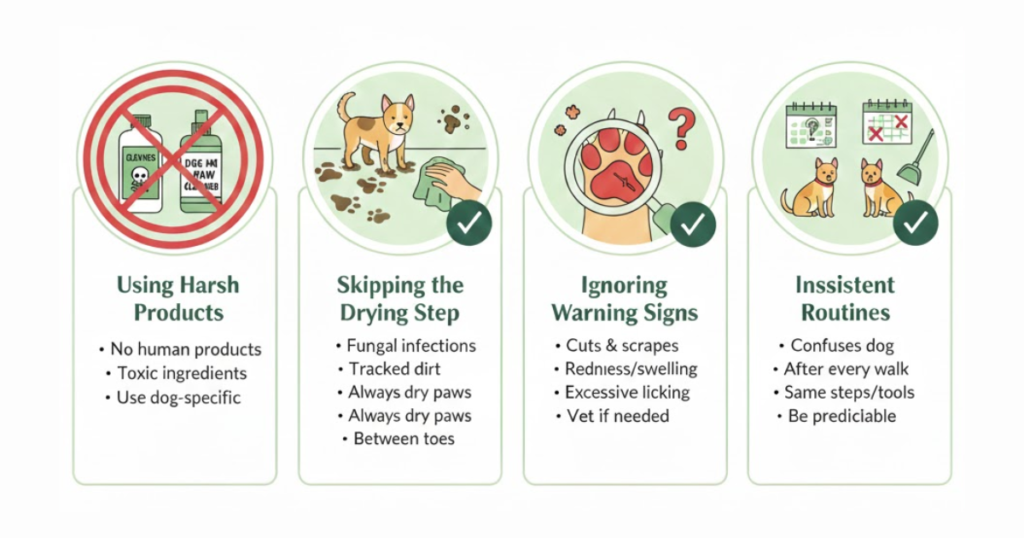
Common Paw Cleaning Mistakes
Avoid these errors that many dog owners make:
Using Harsh Products
Never use human cleaning products on your dog’s paws. Many contain ingredients toxic to dogs:
Bleach or disinfectants
Scented soaps
Alcohol-based cleaners
Essential oils without vet approval
Instead, choose products specifically formulated for dogs.
Skipping the Drying Step
Wet paws create problems:
Fungal infections thrive in moisture
Wet dogs track more dirt
Damp paws smell unpleasant
Slippery floors become dangerous
Always dry paws completely, paying special attention to areas between toes.
Ignoring Warning Signs
Check paws carefully during each cleaning. Look for:
Cuts, scrapes, or puncture wounds
Redness or swelling
Excessive licking or chewing
Cracked or peeling pads
Foreign objects embedded in skin
Unusual odors
These signs may indicate injuries or infections requiring veterinary care.
Inconsistent Routines
Sporadic cleaning confuses your dog and makes training harder. Instead:
Clean paws after every walk
Use the same location and tools
Follow the same steps each time
Maintain consistency even when tired
Dogs learn faster with predictable routines.
DIY Paw Cleaning Solutions
Create effective, budget-friendly cleaning solutions at home:
Basic Paw Rinse
Mix together:
1 cup lukewarm water
1 tablespoon apple cider vinegar
1 drop mild dish soap
This solution cleans paws and helps neutralize odors. However, rinse thoroughly after use.
Soothing Paw Soak
For irritated paws:
1 cup warm water
1 tablespoon Epsom salt
Optional: 1 tablespoon colloidal oatmeal
Soak affected paws for 5 minutes to reduce inflammation and itching.
Anti-Bacterial Wash
Prevent infections with:
2 cups lukewarm water
2 tablespoons povidone-iodine solution (diluted to tea color)
Use this rinse after walks in areas with high bacterial exposure.
Always test new solutions on a small area first. Stop use if your dog shows signs of irritation.
Maintaining Healthy Paw Pads
Clean paws stay healthier with proper maintenance between washes:
Regular Inspections
Check paws weekly for:
Normal pad color (should be pigmented and healthy)
Smooth pad texture (some roughness is normal)
Proper nail length
No cracks or dryness
Clean spaces between toes
Early detection prevents minor issues from becoming serious problems.
Moisturizing Paw Pads
Dry or cracked pads need extra care:
Choose a pet-safe paw balm
Apply a thin layer to clean, dry pads
Massage in gently
Distract your dog for 5 minutes to allow absorption
Use daily in dry climates or winter months
Natural ingredients like shea butter, coconut oil, and beeswax work well.
Nail Care
Long nails interfere with proper paw placement:
Trim nails every 3-4 weeks
Use proper dog nail clippers
Avoid cutting the quick (blood vessel)
File rough edges after clipping
Proper nail length helps your dog walk naturally and keeps paws cleaner.
Special Considerations
Some dogs need extra attention during paw cleaning:
Large Breeds
Big dogs present unique challenges:
Use a stand or elevated surface for easier access
Consider a paw washer instead of basin soaks
Take breaks if needed during cleaning
Reward cooperation to maintain patience
Training large dogs to cooperate makes the job manageable.
Senior Dogs
Older dogs often have:
Arthritis making paw lifting painful
Reduced mobility
Sensitive, thinner paw pads
Less patience for grooming
Be extra gentle and work quickly. Consider having two people help if needed.
Anxious Dogs
Fear makes paw cleaning stressful. Therefore:
Work at your dog’s pace
Use high-value treats constantly
Keep sessions very short initially
Consider calming aids if necessary
Never force cooperation
Building trust takes time but creates lasting cooperation.
Products That Make Paw Cleaning Easier
While basic supplies work well, certain products streamline the process:
Having everything in one place encourages consistent cleaning habits.
Portable Solutions
For cleaning away from home:
Travel-size pet wipes in resealable packages
Collapsible water bowls for rinsing
Microfiber towels that pack small
Portable paw washers for car use
These items help maintain clean paws during trips, hikes, or visits.
Time-Saving Tools
Invest in quality products that last:
Absorbent doormats designed for pets
Quick-dry towels that absorb more water
Multi-surface cleaning sprays
Grooming brushes with ergonomic handles
Quality tools make regular cleaning less of a chore.
Troubleshooting Common Issues
Even with proper technique, problems sometimes arise:
My Dog Won’t Let Me Touch Their Paws
This common issue has solutions:
Start with very brief touches
Associate paw handling with positive experiences
Use higher-value treats than usual
Consider working with a professional trainer
Rule out pain with a vet check
Never punish reluctance, as this increases anxiety.
Paws Still Smell After Cleaning
Persistent odors indicate:
Yeast or bacterial infections
Inadequate drying between toes
Allergies causing excessive paw licking
Foreign material lodged deep in paw
Consult your veterinarian if odors persist despite thorough cleaning.
Cleaning Takes Too Long
Speed up your routine by:
Keeping all supplies in one location
Using paw wipes for quick daily cleaning
Training your dog to cooperate better
Investing in time-saving tools
Cleaning paws outside before entering
Efficiency improves with practice and proper tools.
My Dog Tracks Dirt Despite Cleaning
This suggests:
Paws aren’t completely dry
Long fur between pads traps dirt
Cleaning method isn’t thorough enough
Dog walks immediately on dirty surfaces
Try trimming paw fur and using absorbent mats at entrances.
Creating a Long-Term Paw Care Routine
Consistency keeps your dog’s paws healthy year-round. Therefore, establish habits that fit your lifestyle:
Daily:
Quick wipe or rinse after every walk
Visual inspection for obvious issues
Dry paws thoroughly
Weekly:
Thorough inspection of all paw pads
Deep cleaning if needed
Trim fur between pads if overgrown
Apply paw balm if pads seem dry
Monthly:
Nail trimming
Full paw assessment
Update supplies as needed
Adjust routine for seasonal changes
Quarterly:
Professional grooming if needed
Vet check during regular appointments
Evaluate and replace worn tools
Review and improve techniques
Regular care prevents problems and keeps your dog comfortable on every walk.
Conclusion
Clean dog paws protect your home, prevent health issues, and keep your furry friend comfortable. Whether you use simple towel wipes or invest in specialized cleaning tools, the key is consistency. Most dogs adapt to paw cleaning routines quickly, especially when you make the experience positive with treats and praise.
Start with basic methods and expand your routine as needed based on your dog’s lifestyle and the seasons. Pay attention to your dog’s individual needs, and don’t hesitate to consult your veterinarian if you notice persistent problems.
Clean paws mean a healthier, happier dog and a cleaner home. With the right approach and a little patience, paw cleaning becomes a quick, easy part of your daily routine rather than a dreaded chore.
FAQs
How often should I clean my dog’s paws?
You should clean your dog’s paws after every walk, regardless of weather conditions. For dogs who spend lots of time outdoors, consider cleaning paws 2-3 times daily. Quick wipes work fine for routine cleaning, while muddy or snowy conditions require more thorough washing. Consistency matters more than intensity—regular light cleaning prevents buildup and keeps paws healthier than occasional deep cleaning.
Can I use baby wipes to clean my dog’s paws?
Baby wipes aren’t ideal for dog paws because they’re formulated for human skin pH and may contain fragrances or lotions that irritate dogs. Some ingredients in baby wipes can also cause digestive upset if your dog licks their paws afterward. Instead, use wipes specifically designed for pets, which have appropriate pH levels and safe ingredients. If you must use baby wipes in a pinch, choose fragrance-free, alcohol-free varieties and rinse the paws with water afterward.
What should I do if my dog’s paw pad is cut?
For minor cuts, clean the paw with lukewarm water and mild soap, then apply gentle pressure with a clean towel to stop bleeding. Once bleeding stops, apply a pet-safe antiseptic and cover with a clean bandage if your dog tolerates it. Contact your veterinarian if the cut is deep, won’t stop bleeding after 5 minutes, shows signs of infection (redness, swelling, discharge), or if your dog is limping severely. Deep cuts may require stitches or antibiotics.
How can I prevent my dog’s paws from getting dirty?
While you can’t eliminate dirt entirely, several strategies help minimize mess. Consider using dog boots for walks in muddy or snowy conditions. Keep your dog on paved surfaces when possible during wet weather. Trim long fur between paw pads to prevent dirt accumulation. Apply paw wax before walks to create a barrier against grime. Place absorbent mats at all entrances to catch dirt before it spreads. Train your dog to wait at the door for paw cleaning before entering your home.
Are paw washers better than traditional cleaning methods?
Paw washers offer convenience and thorough cleaning, especially for heavily soiled paws or dogs with lots of fur between their toes. They clean more efficiently than towels alone and use less water than basin soaks. However, they require your dog to tolerate having their paw inserted into the cup, which some dogs resist. For lightly dirty paws, simple wipes or damp towels work just as well and cost less. Choose based on your dog’s tolerance, typical dirt levels, and your budget. Many owners keep both options available and use them for different situations.
Bath time doesn’t have to turn into a wrestling match. If your dog flinches, squirms, or bolts the moment you reach for a wipe, you’re not alone. Many pet owners struggle with this exact problem. The good news? With a little patience and the right approach, you can train your
Bringing a new puppy home is one of the most exciting days you’ll have as a pet owner. It’s also one of the most chaotic if you’re not prepared. Between the tail wags, the zoomies, and the inevitable accidents, that first day can feel overwhelming fast. That’s why a solid
You call out “bath time,” and suddenly your dog vanishes behind the couch. Sound familiar? You’re not alone. Most dog owners deal with a pup who treats the bathtub like a torture chamber, even though that same dog will happily launch into a muddy puddle at the park. So why