




Dog Health & Wellness
Dog Vomiting and Diarrhea: A Calm Owner’s Action Plan
Dog vomiting and diarrhea? Stay calm. Learn what’s normal, when to call the vet, and simple at-home steps to help your dog recover fast.

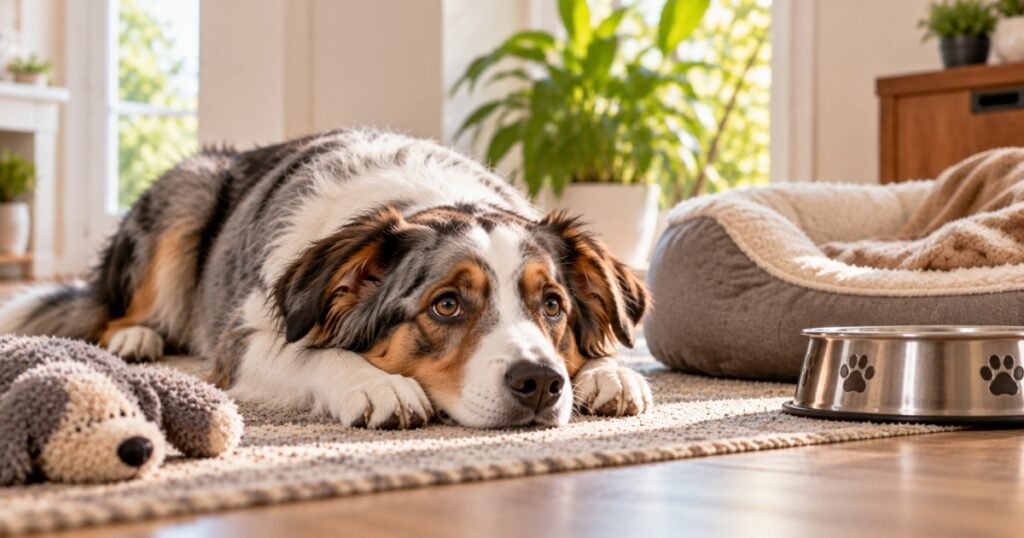
If your pup skipped the backyard this morning, it’s natural to worry. So how long can a dog go without pooping before it becomes a problem? Most healthy dogs poop one to three times a day, and going 24 hours without a bowel movement is usually nothing to panic about. But once you cross the 48-to-72-hour mark, it’s time to pay closer attention. In this guide, we’ll cover what’s normal, what causes a backed-up belly, and the warning signs that mean you should call your vet.
As longtime dog owners and the team behind GoGo Stik’s no-touch pooper scoopers, we’ve cleaned up after enough dogs to know that tracking your pet’s bathroom habits is one of the simplest ways to catch health issues early.
The honest answer: it depends on the dog. Most adult dogs have a bowel movement between one and three times per day, often tied to feeding schedules, exercise, and routine. A single missed day isn’t an emergency on its own.
Here’s a general timeline to keep in mind:
Puppies and senior dogs often go more frequently or less predictably, so factor age into your expectations.
Puppies eat more often and have faster digestion, so they typically poop more frequently than adults — sometimes four or five times a day. If a puppy goes more than 24 hours without pooping, contact your vet sooner rather than later, since small bodies dehydrate and decline faster.
Constipation in dogs usually traces back to one of a handful of culprits. Understanding the cause helps you respond correctly.
According to the American Veterinary Medical Association, consistent monitoring of eating, drinking, and elimination habits is one of the best ways pet owners can catch problems before they escalate.
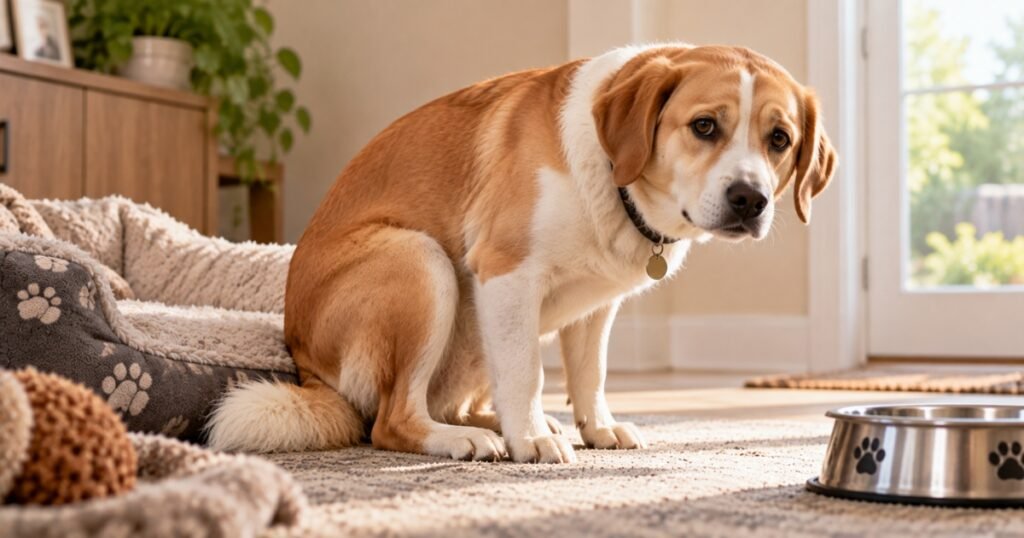
Beyond simply not pooping, watch for these red flags:
If you spot vomiting, a hard belly, or obvious distress alongside no bowel movement, skip the home remedies and call your vet right away — these can signal a blockage that requires urgent care.
For mild cases caught early, a few simple steps often get things moving again. Always check with your vet before adding supplements or trying anything new.
Avoid human laxatives entirely — many are toxic to dogs. The FDA’s animal health division warns that human medications are a leading cause of pet poisoning, so never improvise with your own medicine cabinet.
The best way to notice when something’s off is to be present and prepared every time your dog goes. When you’re hands-on with cleanup, you naturally spot changes in color, consistency, and frequency — the exact clues that tell you whether your dog is healthy or heading toward trouble.
That’s where good gear pays off. Our Original HEAVY Dootie Bags are built strong and leakproof for larger messes, while the Large Leakproof EZ Tie Handle bags handle everyday walks with a quick, mess-free knot. Pairing reliable bags with a no-touch scooper means you’ll never dread checking on your dog’s output — which makes you a more attentive, healthier-dog owner.
Up to 24 hours is usually fine, and 48 hours is worth monitoring. Once your dog hits 72 hours without a bowel movement — or shows signs of pain, vomiting, or a swollen belly — treat it as an emergency and contact your vet.
Occasionally, yes. A change in diet, less exercise, travel, or mild stress can cause a one-day skip. If your dog is otherwise eating, drinking, and acting normally, give it 24 hours and encourage water and a walk.
Plain canned pumpkin (100% pumpkin, never pie filling) is a safe, fiber-rich option many vets recommend. Start with one to four tablespoons depending on your dog’s size, and ask your vet about the right amount for your pet.
Fiber-rich additions like plain pumpkin, cooked sweet potato, and plenty of water help regularity. A slow, proper transition to a quality, fiber-balanced diet also supports consistent bowel movements over time.
So, how long can a dog go without pooping? A day is usually okay, two days deserves attention, and three or more days — especially with other symptoms — means it’s time to call your vet. Tracking your dog’s habits is the easiest early-warning system you have. Stock up on dependable cleanup supplies and no-touch tools at the GoGo Stik shop so you’re always ready to keep your pup happy, healthy, and regular.

Alec Beaton is the Founder & Inventor of Pooch Approved Products and GoGo Stik®. Inspired by real-life pet parenting, he turns everyday cleanup challenges into simple, innovative solutions that make life better for pets and their people.
Dog vomiting and diarrhea? Stay calm. Learn what’s normal, when to call the vet, and simple at-home steps to help your dog recover fast.
Green dog poop can signal grass, bile, or illness. Learn the common causes, warning signs, and when to call your vet in this 2026 guide.
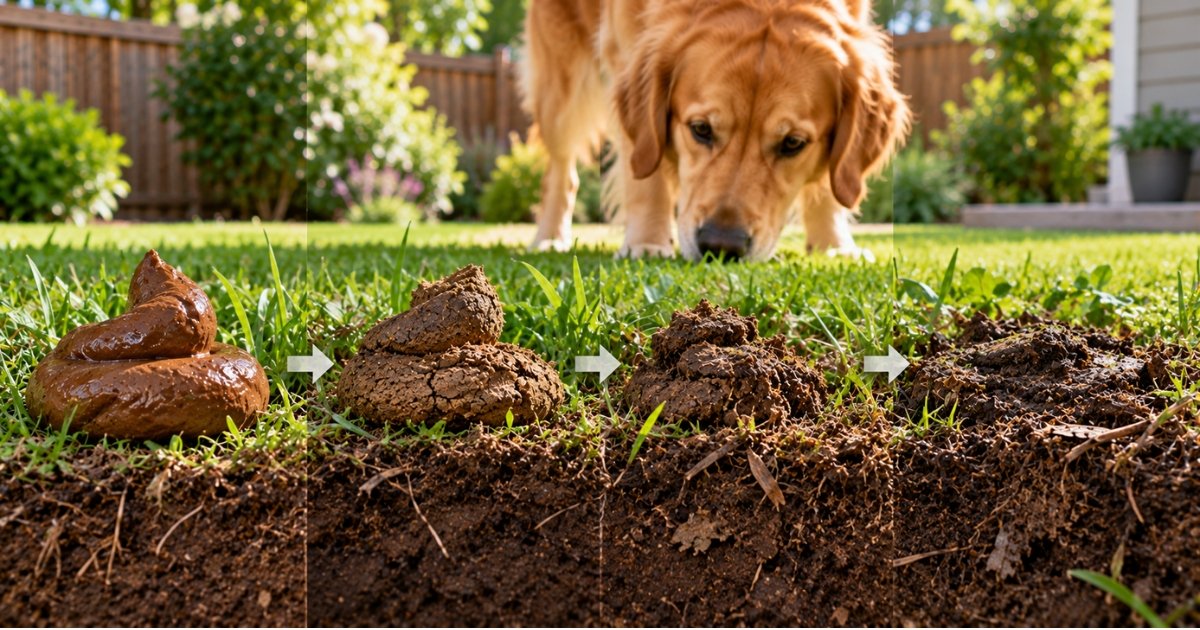
How long does dog poop take to decompose? Get real timelines, why it matters, and cleaner cleanup tips for your yard and the planet in 2026.