Home/Blogs/Dog Vaccination Complete Guide: Schedule, Costs & Side Effects
Dog Vaccination Complete Guide: Schedule, Costs & Side Effects
Bringing a new puppy home is exciting, but it comes with important responsibilities. One of the most critical aspects of dog health care is ensuring your furry friend receives proper immunizations to protect them from serious diseases.
Vaccinations have saved countless canine lives by preventing deadly illnesses like rabies, parvovirus, and distemper. Understanding which vaccines your dog needs, when they need them, and what to expect can help you make informed decisions about your pet’s veterinary care basics.
This comprehensive guide covers everything you need to know about dog vaccination schedule requirements, costs, potential side effects, and how to keep your dog healthy throughout their life.
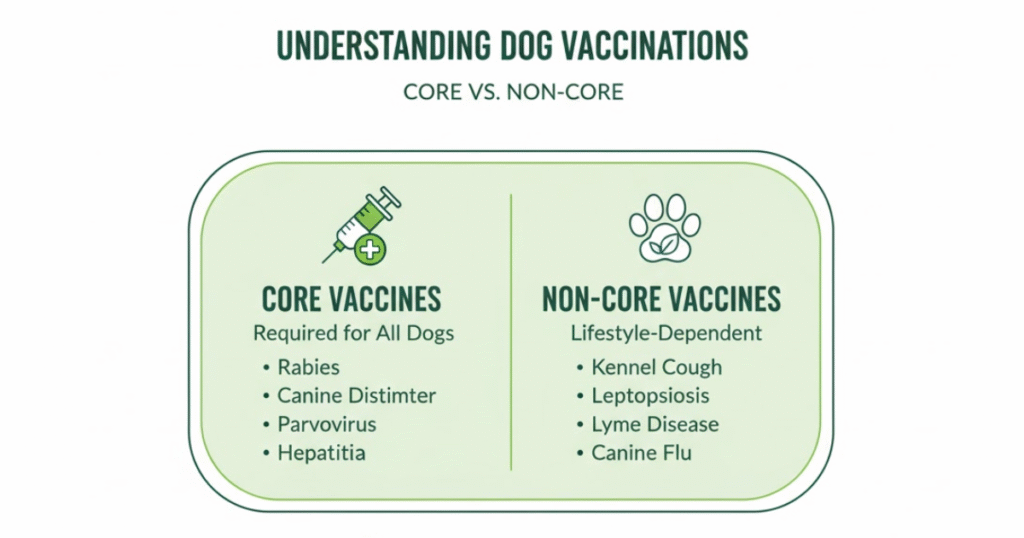
Understanding Dog Vaccinations: Core vs. Non-Core
Vaccines are divided into two main categories: core and non-core. This classification helps veterinarians and pet owners prioritize which immunizations are most important for your dog.
Core Vaccines (Required for All Dogs)
Core vaccines protect against diseases that are widespread, highly contagious, or pose serious health risks. Every dog should receive these pet immunizations regardless of lifestyle or location:
Rabies Vaccine Rabies is a fatal viral disease that affects the central nervous system and can be transmitted to humans. This vaccine is legally required in most states and countries. The first rabies shot is typically given at 12-16 weeks of age, followed by a booster one year later, then every one to three years depending on local laws and vaccine type.
Distemper Vaccine Canine distemper is a highly contagious viral disease affecting the respiratory, gastrointestinal, and nervous systems. It has a high mortality rate, especially in puppies. The vaccine is usually combined with other core vaccines in the DHPP shot.
Parvovirus Vaccine Parvovirus causes severe gastrointestinal illness with symptoms like bloody diarrhea, vomiting, and dehydration. Puppies are particularly vulnerable, and the disease can be fatal without treatment. This vaccine is included in the DHPP combination.
Adenovirus (Hepatitis) Vaccine Canine adenovirus type 2 protects against infectious hepatitis and respiratory disease. This vaccine is also part of the DHPP combination shot, making it convenient for puppy shots guide administration.
Non-Core Vaccines (Lifestyle-Dependent)
Non-core vaccines are recommended based on your dog’s exposure risk, lifestyle, and geographic location. Your veterinarian will help determine which of these are necessary for your pet:
Bordetella (Kennel Cough) This vaccine protects against Bordetella bronchiseptica, a common cause of kennel cough. It’s highly recommended for dogs who frequent boarding facilities, dog parks, grooming salons, or doggy daycare. The vaccine can be administered as an injectable, oral, or intranasal formula.
Leptospirosis Leptospirosis is a bacterial disease spread through contaminated water or soil. Dogs who spend time near lakes, rivers, or areas with wildlife should receive this vaccine. It’s often included in the DHLPP combination shot.
Lyme Disease The Lyme vaccine protects against Borrelia burgdorferi, transmitted through tick bites. This vaccine is recommended for dogs in tick-endemic areas or those who spend significant time outdoors in wooded regions.
Canine Influenza Dog flu vaccines protect against H3N8 and H3N2 strains of canine influenza. This vaccine is beneficial for dogs with frequent exposure to other dogs in social settings like dog parks or boarding facilities.
Rattlesnake Vaccine Available for dogs in areas with high rattlesnake populations, this vaccine may reduce the severity of snakebite symptoms but doesn’t eliminate the need for emergency veterinary treatment.
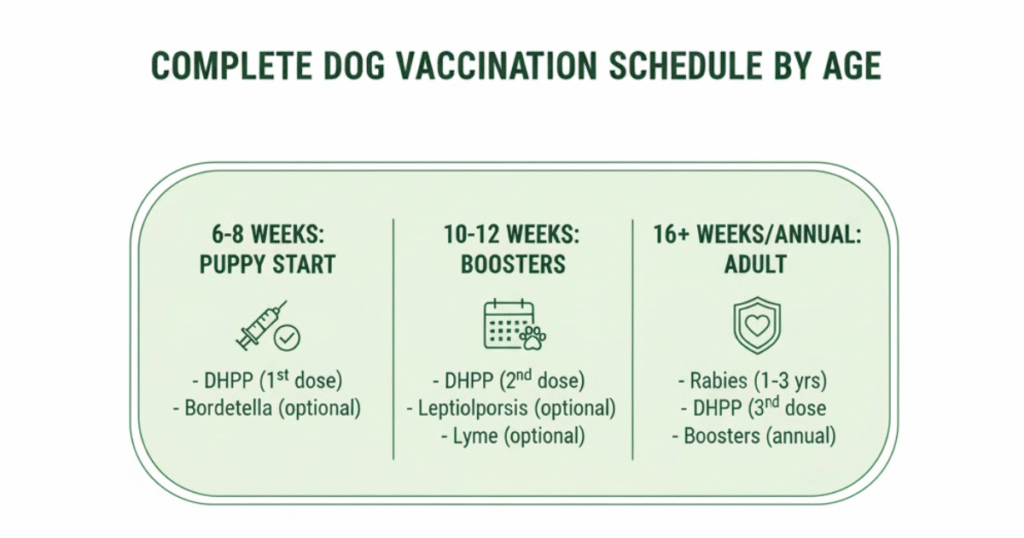
Following a proper vaccination timeline ensures your puppy develops immunity at the right stages of development. Here’s a detailed breakdown:
Puppy Vaccination Schedule (6-16 Weeks)
6-8 Weeks Old
First DHPP (Distemper, Hepatitis, Parvovirus, Parainfluenza) combination vaccine
Bordetella (if high exposure risk)
Your puppy receives maternal antibodies from their mother through nursing, but these fade between 6-16 weeks. The first vaccine jumpstarts their immune system while maternal protection is still present.
10-12 Weeks Old
Second DHPP booster
Leptospirosis (first dose)
Lyme disease (first dose, if needed)
Canine influenza (first dose, if recommended)
The second round strengthens immunity as maternal antibodies continue to decline. Booster shots are necessary because a single dose doesn’t provide sufficient long-term protection.
14-16 Weeks Old
Third DHPP booster
Rabies vaccine (first dose)
Leptospirosis (second dose)
Lyme disease (second dose, if applicable)
Canine influenza (second dose, if recommended)
By 16 weeks, your puppy has completed their initial puppy shots guide series and has built substantial immunity against common diseases.
Adult Dog Vaccination Schedule
1 Year Old
DHPP booster
Rabies booster (one year after first dose)
Leptospirosis booster (if applicable)
Bordetella booster (if needed)
The one-year booster is critical for maintaining immunity established during puppyhood.
Every 1-3 Years (Adult Maintenance)
DHPP: Every 1-3 years based on vaccine type and veterinarian recommendation
Rabies: Every 1-3 years depending on state law and vaccine formulation
Bordetella: Every 6-12 months for high-risk dogs
Leptospirosis: Annually if needed
Lyme disease: Annually in endemic areas
Canine influenza: Annually if recommended
Many core vaccines now offer three-year protection, reducing the frequency of vet visits for healthy adult dogs. Your veterinarian may also recommend titer testing to check immunity levels before administering booster shots.
Senior Dog Vaccination Considerations
As dogs age, their immune systems change. Some senior dogs may not need vaccines as frequently, while others with weakened immune systems might require continued protection. Discuss your senior dog’s specific needs with your veterinarian, considering factors like:
Overall health status
Lifestyle and exposure risks
Previous vaccination history
Titer test results showing current immunity levels
Cost of Dog Vaccinations: What to Expect
Vaccination costs vary significantly based on location, clinic type, and which vaccines your dog needs. Understanding these costs helps you budget for veterinary care basics throughout your dog’s life.
Individual Vaccine Costs
Here are typical price ranges for common vaccines (prices vary by region):
DHPP combination vaccine: $20-$40 per dose
Rabies vaccine: $15-$30 per dose
Bordetella vaccine: $20-$35 per dose
Leptospirosis vaccine: $15-$30 per dose
Lyme disease vaccine: $20-$40 per dose
Canine influenza vaccine: $25-$45 per dose
Puppy Vaccination Package Costs
Many veterinary clinics offer puppy vaccination packages that include multiple visits and vaccines at a discounted rate. These packages typically range from $150-$350 and often include:
Three rounds of DHPP vaccines
First rabies vaccine
Deworming treatments
Fecal examinations
Sometimes microchipping
Additional Costs to Consider
Beyond the vaccines themselves, budget for:
Office visit fees: $45-$75 per appointment
Physical examination: Often included with office visit
Health certificate: $50-$150 (required for travel or boarding)
Titer testing: $80-$200 per test (alternative to automatic boosters)
Money-Saving Options
Low-Cost Vaccination Clinics Many animal shelters, humane societies, and pet store chains offer affordable vaccination clinics. These events provide basic vaccines at reduced prices ($10-$25 per vaccine) without requiring a full veterinary examination.
Pet Insurance Some pet insurance plans cover routine care, including vaccinations. If you’re considering insurance, compare plans to see which offer wellness coverage that includes immunizations.
Payment Plans Ask your veterinarian about payment plans or services like CareCredit that allow you to spread costs over several months without interest.
Shelter or Rescue Adoption Dogs adopted from shelters often come already vaccinated, spayed/neutered, and microchipped, saving hundreds of dollars in initial dog health care costs.
Common Side Effects of Dog Vaccinations
Most dogs tolerate vaccines well, but mild side effects can occur as their immune system responds to the vaccine. Knowing what’s normal versus concerning helps you respond appropriately.
Mild Side Effects (Normal and Temporary)
These reactions typically appear within 24-48 hours and resolve on their own:
Lethargy and Decreased Activity Your dog may seem tired or less playful for 24-48 hours after vaccination. This is normal as their immune system works to build protection. Allow your dog to rest and avoid strenuous activity during this time.
Mild Fever A slight temperature increase is a normal immune response. Your dog might feel warm to the touch or seem slightly uncomfortable.
Reduced Appetite Some dogs eat less than usual for a day or two after receiving vaccines. Offer their favorite foods and ensure fresh water is always available.
Injection Site Reactions A small, firm lump at the injection site is common and usually resolves within a few weeks. The area might also appear slightly swollen or feel tender when touched.
Sneezing or Mild Cough Dogs receiving intranasal vaccines (like some Bordetella formulations) may sneeze or cough lightly for a few days. This doesn’t mean your dog has kennel cough.
Moderate Side Effects (Monitor Closely)
Contact your veterinarian if these symptoms persist beyond 48 hours:
Persistent Lethargy If your dog remains extremely tired for more than two days, this warrants a veterinary check.
Injection Site Swelling While some swelling is normal, a lump that grows larger, feels hot, or causes obvious pain should be evaluated by your vet.
Hives or Facial Swelling Raised bumps on the skin or mild facial swelling can indicate a mild allergic reaction that may need antihistamine treatment.
Limping Some dogs favor the leg where they received an injection. This should resolve within 24-48 hours.
Severe Side Effects (Seek Immediate Veterinary Care)
Though rare, serious allergic reactions require emergency treatment:
Anaphylaxis This severe allergic reaction occurs within minutes to hours after vaccination. Symptoms include:
Difficulty breathing or wheezing
Severe facial swelling
Vomiting or diarrhea
Collapse or extreme weakness
Pale gums
Rapid heart rate
If you notice these signs, contact your emergency veterinarian immediately or visit the nearest animal hospital.
Severe Injection Site Reaction In rare cases, injection sites can develop infections or abscesses. Watch for:
Discharge or oozing from injection site
Severe pain when touched
Significant heat in the area
Spreading redness
Vaccine-Associated Sarcoma Extremely rare in dogs (more common in cats), these tumors can develop at injection sites months or years after vaccination. Any lump that persists beyond three months, grows larger after one month, or measures larger than two centimeters should be examined.
Managing Side Effects at Home
For mild, expected side effects:
Provide a quiet, comfortable resting space
Offer plenty of fresh water
Feed small, easily digestible meals
Avoid vigorous exercise for 24-48 hours
Apply a cool compress to injection site if swollen (never use ice directly)
Give your dog extra attention and comfort
Keep follow-up appointments to monitor recovery
Never give human medications to your dog without veterinary approval. Common pain relievers like ibuprofen and acetaminophen are toxic to dogs.
Vaccination Exemptions and Alternatives
Some circumstances may require modified vaccination protocols. Understanding your options helps you make the best decisions for your dog’s unique situation.
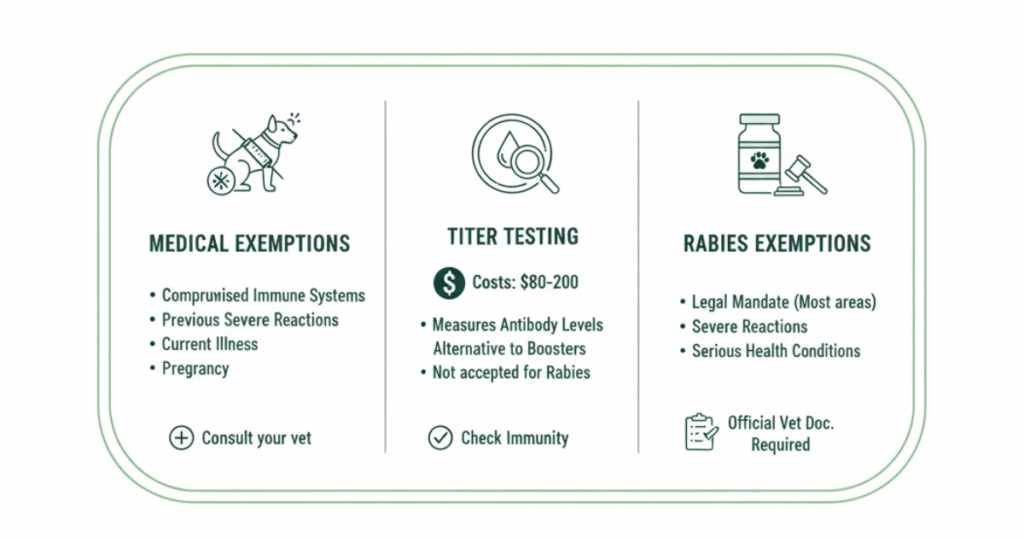
Medical Exemptions
Certain health conditions may warrant delaying or avoiding specific vaccines:
Compromised Immune Systems Dogs undergoing chemotherapy, taking immunosuppressive medications, or with autoimmune diseases may need modified vaccine schedules. Your veterinarian will weigh the risks of disease exposure against the risks of vaccination.
Previous Severe Vaccine Reactions Dogs who have experienced anaphylaxis or severe reactions to vaccines may receive exemptions for those specific vaccines or be premedicated with antihistamines before future vaccinations.
Current Illness Sick dogs should wait until they recover before receiving vaccines. A healthy immune system responds better to vaccination and reduces complication risks.
Pregnancy Pregnant dogs should avoid modified-live vaccines, which could potentially harm developing puppies. Your veterinarian will create a safe vaccination plan for breeding dogs.
Titer Testing as an Alternative
Titer testing measures antibody levels in your dog’s blood to determine if they still have immunity from previous vaccinations. This option is useful for:
Dogs with previous vaccine reactions
Senior dogs where frequent vaccines might pose risks
Owners concerned about over-vaccination
Titer tests cost more than standard vaccines ($80-$200 per disease tested) but can help avoid unnecessary boosters. However, rabies titer testing is generally not accepted as a substitute for vaccination due to legal requirements.
Legal Considerations for Rabies Exemptions
Rabies vaccination is legally mandated in most areas, but exemptions may be granted for:
Dogs with documented severe reactions to rabies vaccines
Dogs with serious health conditions where vaccination poses significant risk
Even with an exemption, you’ll need official documentation from your veterinarian, and some facilities may still refuse entry to unvaccinated dogs. Check your local laws regarding rabies vaccine requirements and exemption processes.
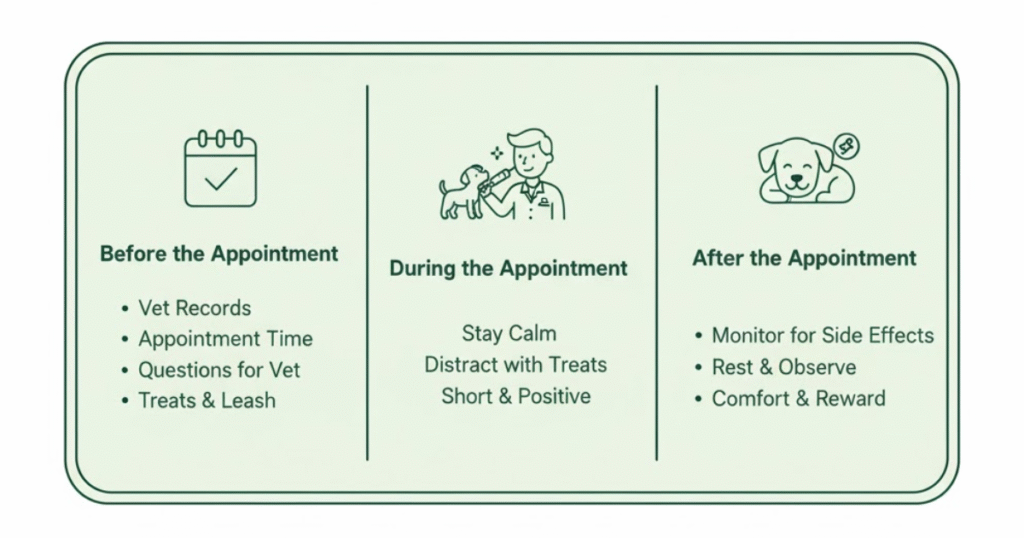
Preparing for Your Dog’s Vaccination Appointment
Proper preparation ensures a smooth vaccination visit and helps your dog have a positive experience.
Before the Appointment
Schedule Wisely Book appointments when you can monitor your dog afterward. Avoid scheduling vaccinations right before boarding, travel, or stressful events.
Update Medical Records Bring previous vaccination records, especially if visiting a new veterinarian. This prevents unnecessary duplicate vaccines and ensures proper timing.
List Current Medications Inform your veterinarian about all medications and supplements your dog takes. Some may interact with vaccines or indicate underlying health issues.
Note Any Health Changes Mention recent illness, changes in behavior, or new symptoms. Sick dogs should delay vaccination until recovered.
Exercise Before the Visit A tired dog is often a calmer dog. A walk or play session before the appointment can help reduce anxiety and excess energy.
During the Appointment
Stay Calm Dogs pick up on human emotions. Remaining calm and positive helps your dog feel more secure. Use treats and praise throughout the visit.
Ask Questions Don’t hesitate to ask your veterinarian about:
Which vaccines your dog is receiving and why
Expected side effects
What symptoms require follow-up
When the next vaccines are due
Cost breakdowns
Request Documentation Ensure you receive updated vaccination records. Many boarding facilities, groomers, and dog parks require proof of current vaccinations.
After the Appointment
Monitor Closely for 24 Hours Watch for any unusual symptoms, especially in the first few hours. Most serious reactions occur quickly.
Limit Activity Give your dog a quiet day to rest. Avoid dog parks, vigorous play, or other activities that might stress their system.
Keep Records Safe Store vaccination certificates in an accessible location. Digital copies are helpful for quick access when needed.
Schedule Next Appointment Before leaving, book your next vaccination appointment to ensure you maintain the proper dog vaccination schedule.
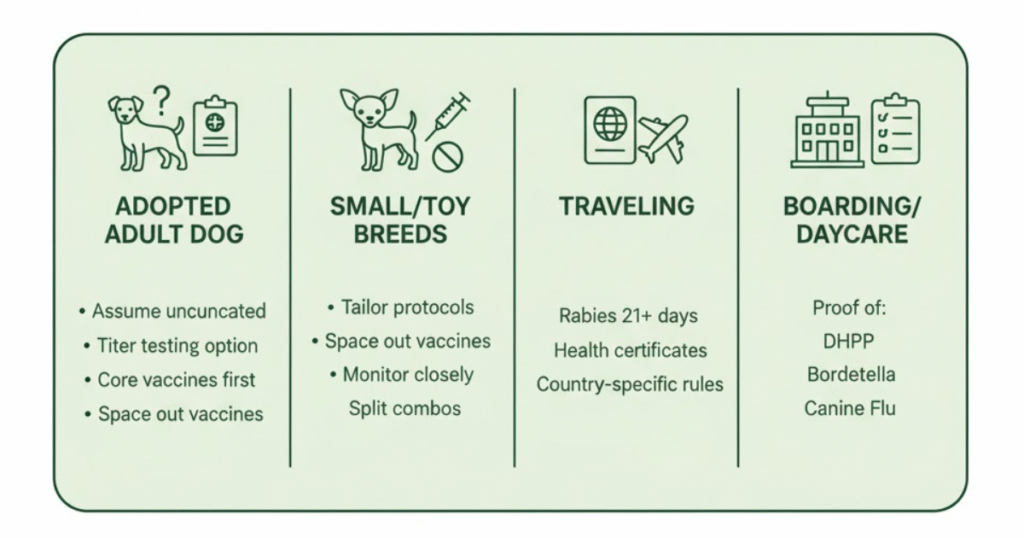
Special Vaccination Considerations
Different life stages and circumstances require tailored vaccination approaches.
Adopting an Adult Dog with Unknown History
If you adopt a dog whose vaccination history is unclear:
Assume they’re unvaccinated and start from the beginning
Your vet may recommend titer testing to check for existing immunity
Begin with core vaccines first, then add non-core based on lifestyle
Space vaccines appropriately to avoid overwhelming the immune system
Vaccinating Small and Toy Breed Dogs
Small dogs receive the same vaccine doses as large dogs, which has raised concerns about over-vaccination in tiny breeds. Consider:
Discussing vaccine protocols specifically designed for small dogs
Spacing vaccines out rather than giving multiple vaccines in one visit
Monitoring small dogs extra carefully for side effects
Asking about splitting combination vaccines if appropriate
Traveling with Your Dog
International travel and some interstate travel require specific vaccinations and health certificates:
Rabies Requirements Most countries require rabies vaccination at least 21 days before travel. Some require rabies titer testing months in advance.
Health Certificates USDA-accredited veterinarians must issue health certificates for international travel, typically within 10 days of departure.
Country-Specific Requirements Research destination requirements well in advance. Some countries have quarantine periods or require specific vaccines not routinely given in your area.
Boarding, Grooming, and Daycare Requirements
Most facilities require proof of:
Rabies vaccination (current)
DHPP vaccination (within the last year)
Bordetella vaccination (within 6-12 months)
Canine influenza vaccination (increasingly common requirement)
Call ahead to confirm requirements before scheduling services. Some facilities may refuse entry to dogs without proper documentation.
The Science Behind How Vaccines Work
Understanding vaccine mechanisms can help you appreciate their importance in protecting your dog.
How Vaccines Build Immunity
Vaccines contain antigens—weakened, killed, or fragments of disease-causing organisms. When introduced into your dog’s body:
The immune system recognizes these antigens as foreign invaders
Specialized immune cells (B cells and T cells) respond by creating antibodies
These antibodies remain in the bloodstream, creating “immune memory”
If your dog encounters the actual disease later, their immune system recognizes it immediately
The pre-existing antibodies quickly neutralize the pathogen before illness develops
This process takes time, which is why puppies need multiple doses—their developing immune systems require repeated exposure to build strong immunity.
Types of Vaccines
Modified-Live Vaccines (MLV) These contain weakened live viruses that can replicate in the body without causing disease. They provide strong, long-lasting immunity but aren’t suitable for pregnant dogs or immunocompromised animals.
Killed (Inactivated) Vaccines These contain dead organisms that cannot replicate. They’re safer for vulnerable dogs but typically require more frequent boosters to maintain immunity.
Recombinant Vaccines These use genetic engineering to produce specific proteins from pathogens. They offer targeted immunity with minimal side effects.
Why Booster Shots Are Necessary
Initial vaccines stimulate a primary immune response, but immunity can wane over time. Booster shots:
Strengthen and prolong immune memory
Increase antibody levels
Ensure continued protection as maternal antibodies fade in puppies
Maintain immunity throughout your dog’s life
The timing of boosters is carefully calculated to provide maximum protection while minimizing unnecessary vaccinations.
Myths and Facts About Dog Vaccinations
Misinformation about vaccines can lead to poor decisions. Let’s separate fact from fiction.
Myth: Vaccines Cause Autism in Dogs
Fact: There is no scientific evidence linking vaccines to autism or behavioral disorders in dogs. This myth stems from discredited human vaccine research and has no basis in veterinary science.
Myth: Indoor Dogs Don’t Need Vaccines
Fact: Even indoor dogs need core vaccines, especially rabies. Diseases can enter homes on shoes, clothing, or through insects. Rabies vaccination is legally required regardless of lifestyle.
Myth: Natural Immunity is Better Than Vaccination
Fact: While surviving a disease does create immunity, the risk isn’t worth it. Diseases like parvovirus and distemper have high mortality rates. Vaccination provides protection without the danger of serious illness or death.
Myth: Older Dogs Don’t Need Vaccines
Fact: Senior dogs still need protection, though their vaccination schedules may be adjusted based on health status and titer test results. Older dogs may have weakened immune systems, making disease prevention even more important.
Myth: Vaccines Are Just a Way for Vets to Make Money
Fact: Vaccines are one of the least expensive services veterinarians provide. The cost of treating vaccine-preventable diseases far exceeds vaccination costs. Veterinarians recommend vaccines based on scientific evidence and disease prevention guidelines.
Myth: Multiple Vaccines at Once Overwhelm the Immune System
Fact: Research shows that combination vaccines don’t overwhelm canine immune systems. Dogs encounter thousands of antigens daily through normal environmental exposure. Vaccine antigens are a tiny fraction of this load. However, spacing vaccines may be appropriate for dogs with previous reactions or certain health concerns.
Protecting Your Dog Beyond Vaccinations
Vaccines are foundational to pet immunizations, but comprehensive health care involves additional preventive measures.
Parasite Prevention
Protect your dog from heartworms, fleas, ticks, and intestinal parasites through year-round preventive medications. Many parasites carry diseases that vaccines don’t prevent.
Regular Veterinary Checkups
Annual or semi-annual wellness exams help catch health problems early. Your veterinarian will:
Perform physical examinations
Discuss appropriate vaccine boosters
Recommend diagnostic testing when needed
Monitor weight and nutrition
Check dental health
Proper Nutrition
High-quality food supports immune function and overall health. Discuss your dog’s nutritional needs with your veterinarian, especially if they have specific health conditions.
Maintaining Hygiene
Regular grooming, dental care, and environmental cleanliness reduce disease exposure. Using quality products like Heavy Dootie Pet Wipes helps maintain your dog’s hygiene between baths.
Clean up after your dog promptly using reliable poop bags to prevent disease spread in your community. Proper waste disposal with products like the GoGo Stik XP Pooper Scooper helps maintain a healthy environment for all pets.
Socialization and Exercise
A well-socialized, exercised dog is typically healthier mentally and physically. However, ensure your puppy is fully vaccinated before exposing them to areas where unvaccinated dogs may have been.
Emergency Preparedness
Keep emergency contact information for your veterinarian and after-hours emergency clinics easily accessible. Know the location of the nearest 24-hour animal hospital.
Conclusion
Vaccinations are one of the most important investments you can make in your dog’s health and longevity. Following a proper dog vaccination schedule protects your furry companion from serious, potentially fatal diseases while supporting community health by reducing disease spread.
Working closely with your veterinarian ensures your dog receives appropriate vaccines based on their age, lifestyle, and health status. While vaccines may cause mild, temporary side effects, the benefits of disease prevention far outweigh these minor inconveniences.
Starting with the initial puppy shots guide through senior years, maintaining current vaccinations gives your dog the best chance at a long, healthy life. Combined with proper nutrition, regular veterinary care, parasite prevention, and maintaining good hygiene practices—including using quality pet care products—you’re providing comprehensive protection for your beloved companion.
Budget for vaccination costs as part of responsible pet ownership, and take advantage of affordable options when available. Keep detailed records of all vaccinations, and never hesitate to ask your veterinarian questions about your dog’s specific needs.
Your dog depends on you for protection against preventable diseases. By staying informed and following veterinary recommendations, you’re giving your furry friend the gift of health and the opportunity to live their best life by your side.
FAQs
What vaccines does my puppy need and when?
Puppies need a series of core vaccines starting at 6-8 weeks old. The typical schedule includes three rounds of DHPP (distemper, hepatitis, parvovirus, parainfluenza) vaccines given at 6-8, 10-12, and 14-16 weeks. The rabies vaccine is administered at 12-16 weeks. Non-core vaccines like Bordetella, leptospirosis, and Lyme disease may also be recommended based on your puppy’s lifestyle and risk factors. Always consult your veterinarian to create a personalized vaccination plan for your new puppy.
How much do dog vaccinations typically cost?
Dog vaccination costs vary by location and clinic type. Core vaccines like DHPP typically cost $20-$40 per dose, while rabies vaccines range from $15-$30. A complete puppy vaccination series including multiple vet visits usually costs $150-$350. Individual non-core vaccines cost between $15-$45 each. Many veterinary clinics offer puppy packages at discounted rates, and low-cost vaccination clinics provide basic vaccines for $10-$25 per shot. Office visit fees of $45-$75 are typically charged in addition to vaccine costs.
Are there side effects from dog vaccines?
Most dogs experience only mild side effects after vaccination, including temporary lethargy, reduced appetite, mild fever, or slight swelling at the injection site. These symptoms typically resolve within 24-48 hours. Moderate reactions like persistent lethargy, hives, or limping warrant a call to your veterinarian. Severe allergic reactions (anaphylaxis) are rare but require immediate emergency care. Symptoms include difficulty breathing, severe facial swelling, vomiting, collapse, or pale gums. Contact your vet immediately if your dog shows these signs after vaccination.
Can I skip vaccines if my dog stays indoors?
No, even indoor dogs need core vaccines, particularly rabies vaccination which is legally required in most areas. Diseases can enter your home through various means—on your shoes, clothing, or through insects and rodents. Rabies poses serious public health risks and is mandated by law regardless of your dog’s lifestyle. Indoor dogs have lower risk for non-core vaccines like Bordetella or Lyme disease, but core vaccines remain necessary. Discuss your indoor dog’s specific needs with your veterinarian to determine the appropriate vaccination protocol.
How long does vaccine immunity last in dogs?
Core vaccine immunity duration varies by vaccine type. Modern DHPP vaccines can provide protection for three years in adult dogs, though puppies need more frequent initial doses to build immunity. Rabies vaccines offer one or three-year protection depending on the formulation and local regulations. Non-core vaccines typically require annual boosters—Bordetella every 6-12 months for high-risk dogs, and Lyme disease annually in endemic areas. Titer testing can measure antibody levels to determine if your dog still has sufficient immunity before administering booster shots.
What is a dog vaccination schedule for adults?
Adult dogs need booster vaccines to maintain immunity established during puppyhood. After completing the puppy series and one-year boosters, most adult dogs follow this schedule: DHPP every 1-3 years, rabies every 1-3 years (based on vaccine type and state law), Bordetella every 6-12 months for dogs with high exposure risk, and annual non-core vaccines like leptospirosis or Lyme disease if applicable. Your veterinarian will create a personalized schedule based on your dog’s age, health status, lifestyle, and local disease prevalence. Senior dogs may need modified protocols.
Can my dog get sick from vaccines?
Vaccines contain weakened or killed pathogens designed to stimulate immunity without causing illness. However, dogs may experience mild symptoms as their immune system responds—similar to feeling run-down after a human flu shot. These reactions (lethargy, reduced appetite, mild fever) are not actual illness but signs the vaccine is working. Dogs cannot “catch” the disease from properly administered vaccines. In extremely rare cases, modified-live vaccines could cause problems in immunocompromised dogs, which is why veterinarians assess health status before vaccination.
Do senior dogs still need vaccinations?
Yes, senior dogs still need protection from disease, though their vaccination protocol may be adjusted. Older dogs may have weakened immune systems, making disease prevention important. However, some senior dogs with health issues may need modified schedules. Your veterinarian will consider your senior dog’s overall health, lifestyle, previous vaccination history, and titer test results to determine the safest approach. Some healthy seniors can safely extend time between boosters, while others with compromised immunity benefit from continued regular vaccination to maintain protection.
What happens if I miss a vaccine booster?
If you miss a booster vaccine, contact your veterinarian to restart or continue the vaccination schedule. For puppies, missing doses in the initial series may require starting over to ensure proper immunity development. For adult dogs, the response depends on how long it’s been since the last vaccine. If only slightly overdue, your vet might give one booster dose. If significantly overdue (several years), they may recommend restarting the series as if the dog were unvaccinated. Don’t wait—schedule the appointment as soon as you realize you’ve missed a vaccine.
Are dog vaccinations required by law?
Rabies vaccination is legally required in most U.S. states and many countries worldwide due to serious public health risks. Requirements vary by location—some areas mandate rabies vaccines every year, others every three years. Other vaccines (DHPP, Bordetella, etc.) aren’t legally required but may be mandated by boarding facilities, groomers, dog parks, and doggy daycares for entry. Some housing situations, like apartments or rental properties, may require proof of certain vaccinations. Check your local ordinances for specific requirements and keep vaccination records accessible.
raining your dog can transform your relationship and make daily life easier for both of you. Clicker training stands out as one of the most effective, science-based methods available today. This positive reinforcement technique helps dogs learn faster while strengthening the bond between you and your furry companion. What Is
Training a new puppy requires patience, consistency, and the right approach. Whether you’re a first-time dog owner or adding another furry friend to your family, these proven techniques will help you raise a well-behaved companion. Let’s explore ten essential strategies that make puppy training effective and enjoyable. 1. Start Training
Is your furry friend constantly gnawing at their paws? You’re not alone. Paw chewing is one of the most frequent behavioral issues dog owners face, and understanding the root cause is the first step toward helping your pet find relief. Understanding Why Dogs Chew Their Paws Dogs communicate discomfort through