Dog Poop Etiquette & Rules
Green Dog Poop: What It Means & When to Worry
Green dog poop can signal grass, bile, or illness. Learn the common causes, warning signs, and when to call your vet in this 2026 guide.

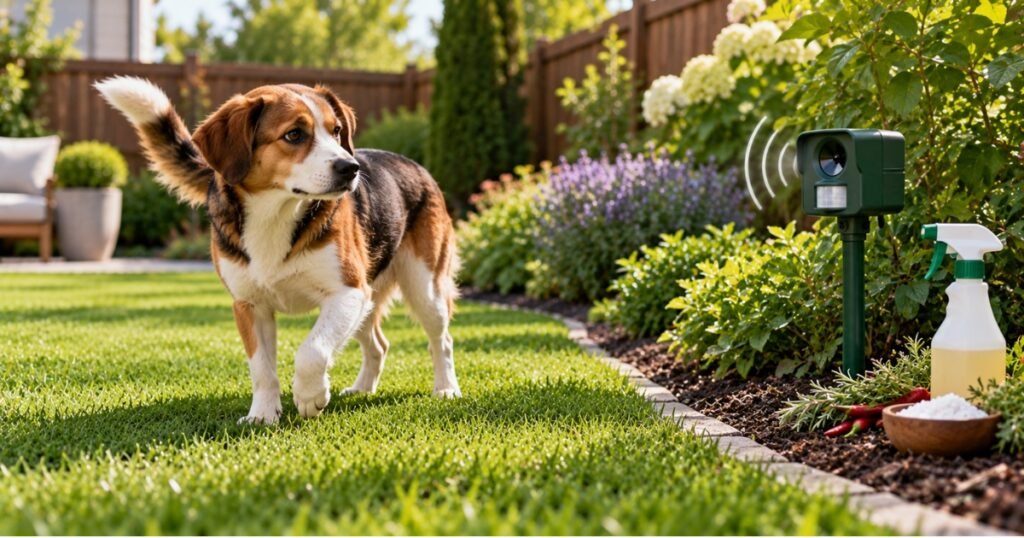
If your grass is dotted with yellow patches or dug-up holes, you’ve probably searched for a dog repellent for lawn that actually works without harming animals. The good news: several humane, effective options exist. The bad news: the internet is full of “hacks” that are useless, dangerous, or downright cruel. As a brand that spends every day helping pet owners keep yards clean, we’ve seen what holds up and what doesn’t. This guide walks through both — so you can protect your lawn without hurting a single paw.
Below you’ll also find our pick of no-touch cleanup tools that make daily yard maintenance faster, because the best repellent strategy always starts with removing what attracts dogs in the first place.
Dogs return to the same spots for predictable reasons: lingering scent marks, soft soil that’s easy to dig, or simply habit. Urine is especially damaging — the nitrogen and salts in it scorch turf, leaving those tell-tale yellow rings. Feces left behind adds bacteria and attracts more visits.
Understanding the “why” is the first step, because a good dog repellent for lawn works with a dog’s senses (mostly smell) rather than against its welfare. Repellents that rely on pain, fear, or toxins don’t just fail long-term — they can injure pets and wildlife, and in many areas they break local animal-cruelty ordinances.
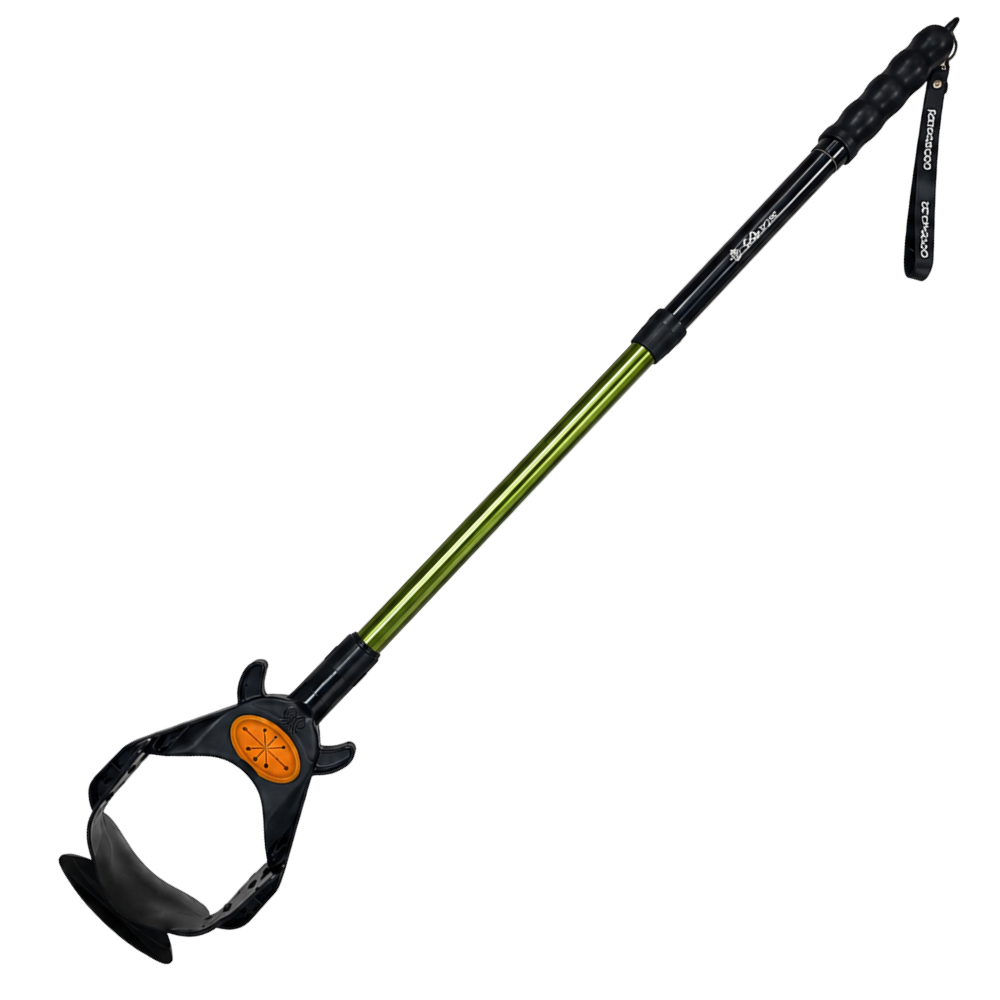
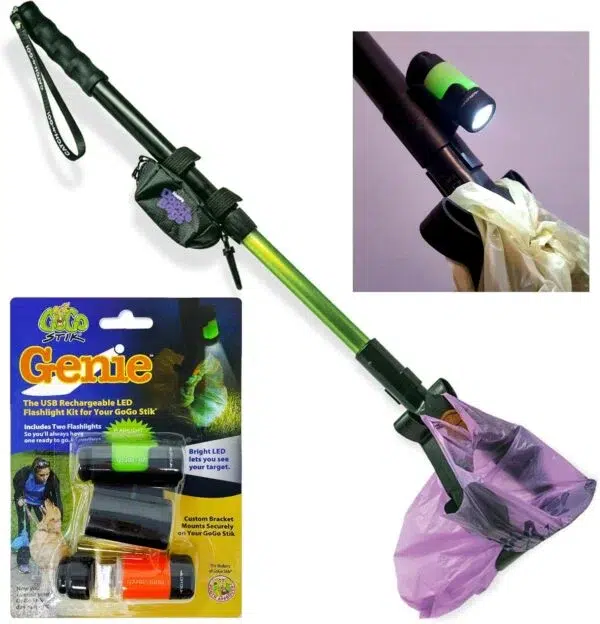
Scent is the number-one repeat-offense trigger. Every pile of waste left on the grass is an invitation for the next dog to mark the same area. Fast, consistent pickup dramatically reduces returns. A no-touch pooper scooper lets you clear the yard in seconds without bending, so you actually keep up with it.
These humane methods are backed by how dogs experience scent and texture. Rotate a couple for best results:
Consistency matters more than any single product. Reapply after rain and combine a scent deterrent with a physical or water-based one for the strongest effect.
Some popular suggestions do real harm. Skip these entirely:
The American Society for the Prevention of Cruelty to Animals offers helpful guidance on substances that are toxic to pets, and the American Veterinary Medical Association publishes practical pet-safety resources worth bookmarking.
| Method | Effective? | Safe for pets? | Verdict |
|---|---|---|---|
| Citrus peels/spray | Moderate | Yes | Recommended |
| Motion-activated sprinkler | High | Yes | Recommended |
| Diluted vinegar (hardscape) | Moderate | Yes | Use with care |
| Cayenne/chili powder | Low | No — painful | Cruel — avoid |
| Mothballs | Low | No — toxic | Dangerous — avoid |
| Ammonia/bleach | Low | No — caustic | Harmful — avoid |
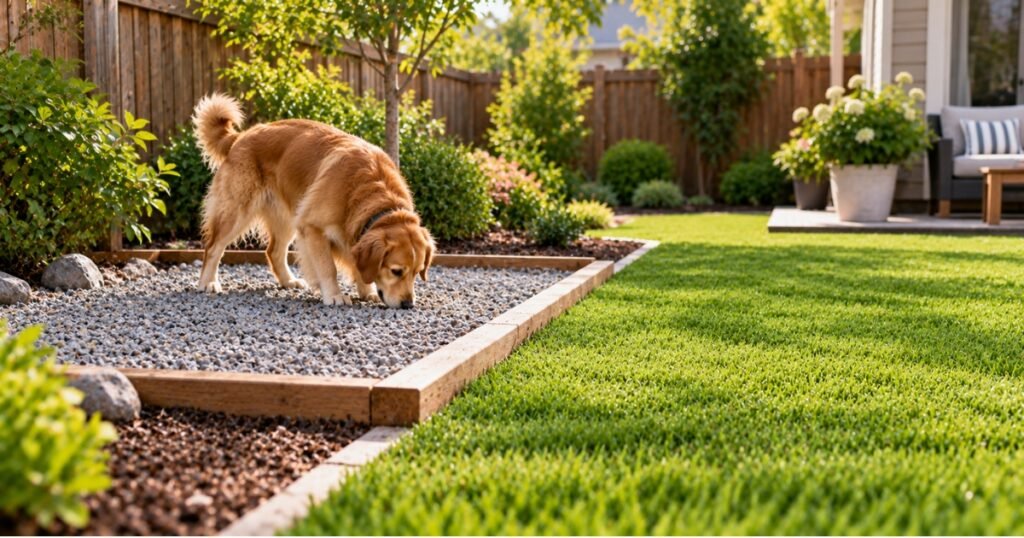
Here’s a practical trick we’ve refined over years of yard work. Instead of fighting the whole lawn, create one designated relief area (gravel or mulch) and keep the rest scrupulously clean. Dogs gravitate to spots that already smell “used,” so a spotless lawn plus one attractive alternative retrains traffic naturally — no harsh chemicals required.
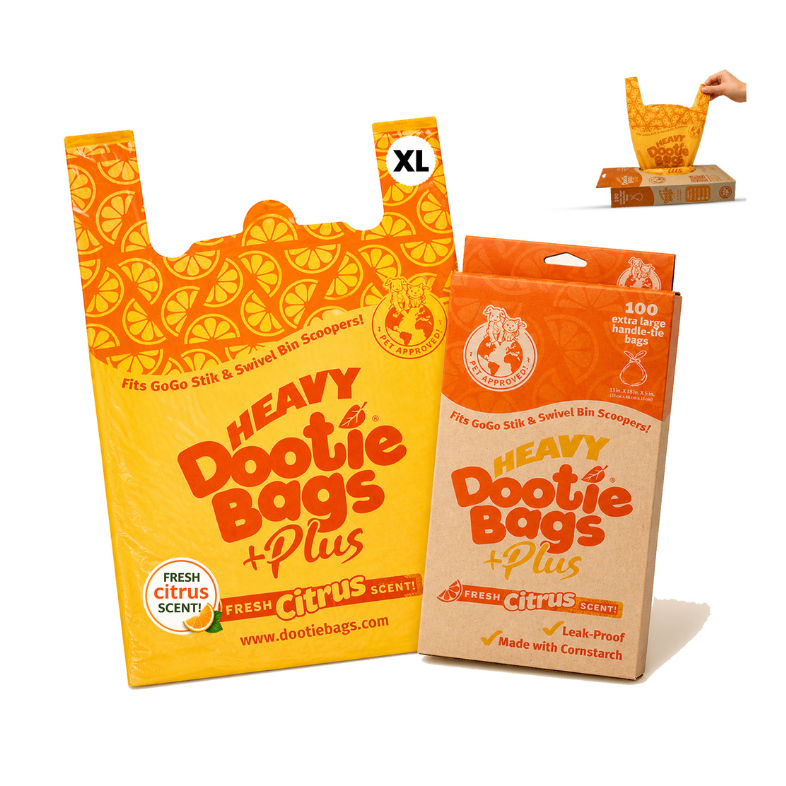
The catch is discipline: you have to remove waste promptly and daily. That’s far easier with the right gear. Pairing a long-reach scooper with heavy-duty leakproof poop bags means cleanup takes under a minute, so the “clean zone” strategy is actually sustainable.
The most reliable combination is prompt waste removal plus a humane deterrent like citrus scent along borders and a motion-activated sprinkler. No single spray beats keeping the grass clean and giving dogs a less appealing surface to mark.
Diluted vinegar can mask scent markers when applied to hardscape like sidewalks and fences. Don’t spray it directly on turf, though — vinegar is acidic and will scorch grass much like dog urine does.
No. Cayenne and chili powder can cause burning pain to a dog’s eyes, nose, and paws, and are considered cruel by animal-welfare experts. They also wash away quickly, making them ineffective as well as harmful.
Rinse fresh urine spots with water to dilute the salts, keep grass well-watered and healthy, and encourage dogs to use one gravel relief area. Consistent cleanup of solid waste also reduces repeat marking.
The most effective dog repellent for lawn isn’t a harsh chemical — it’s a clean yard, a humane scent or water deterrent, and a smart layout that redirects where dogs go. Skip anything that causes pain or poisons the soil; it fails anyway. Start with fast, reliable cleanup, then layer in the safe deterrents above. Ready to make daily pickup effortless? Explore our patented no-touch scoopers and leakproof EZ-tie Dootie Bags in the GoGo Stik shop and keep your lawn green the humane way.

Alec Beaton is the Founder & Inventor of Pooch Approved Products and GoGo Stik®. Inspired by real-life pet parenting, he turns everyday cleanup challenges into simple, innovative solutions that make life better for pets and their people.
Green dog poop can signal grass, bile, or illness. Learn the common causes, warning signs, and when to call your vet in this 2026 guide.
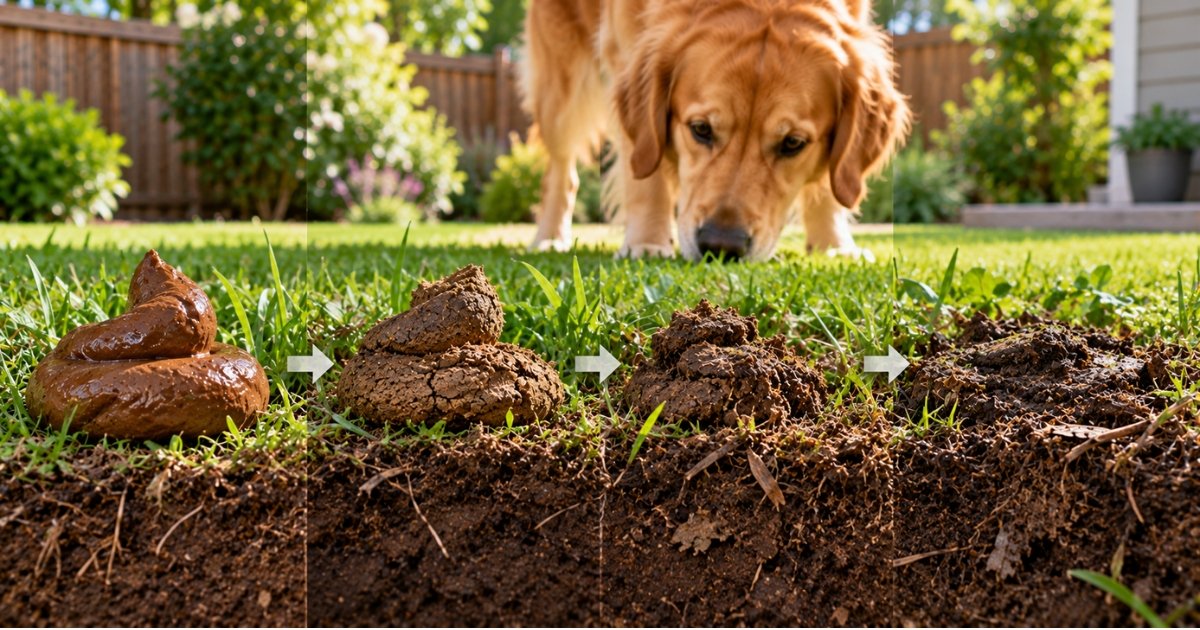
How long does dog poop take to decompose? Get real timelines, why it matters, and cleaner cleanup tips for your yard and the planet in 2026.
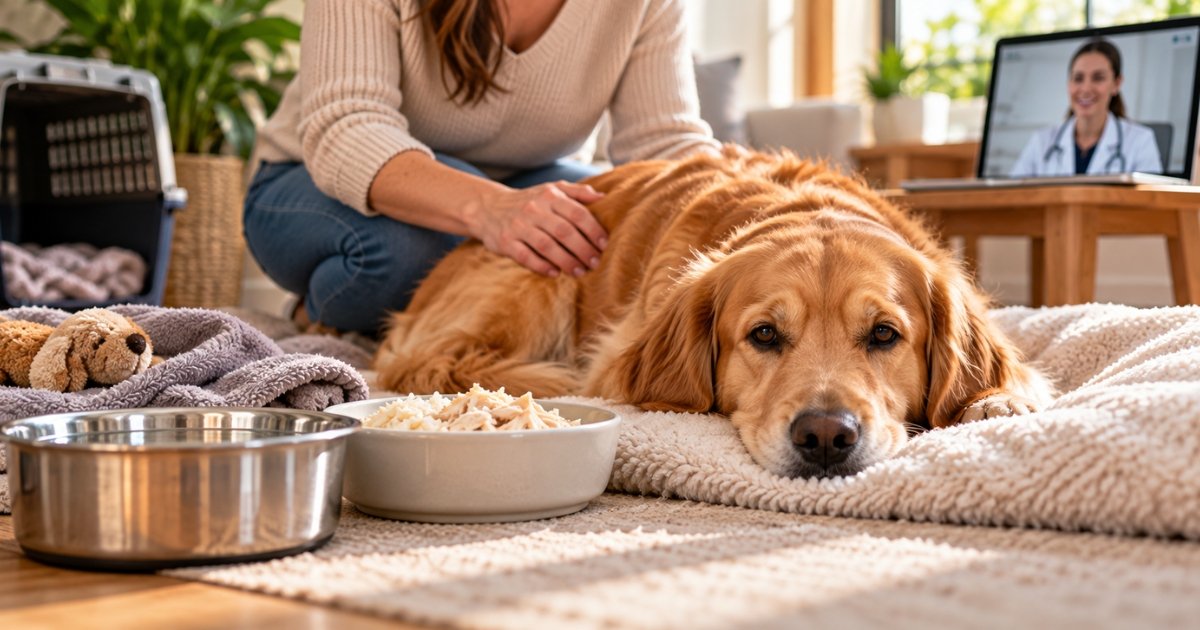
Dog diarrhea got you worried? Learn the common causes, safe home care tips, and the warning signs that mean it’s time to call your vet.