
Dog Poop Etiquette & Rules
How Long Can a Dog Go Without Pooping? Vet-Backed Guide
How long can a dog go without pooping? Learn normal timeframes, warning signs of constipation, and when to call the vet. Clear, vet-backed answers.

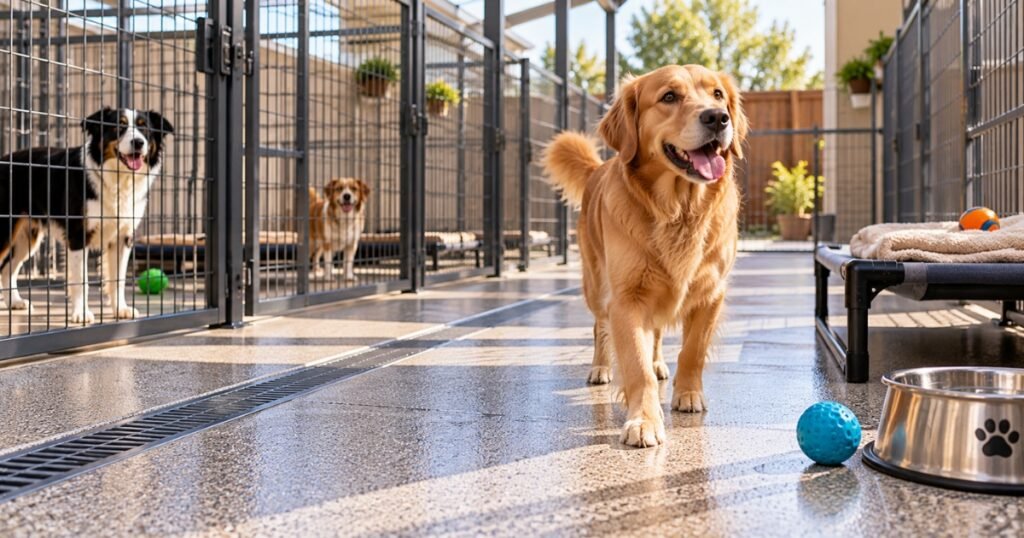
The best dog kennel flooring for most multi-dog runs is poured concrete with a proper slope, because it is the only surface you can both scoop clean and actually sanitise. Everything else is a trade between drainage, comfort and how much work you sign yourself up for twice a day, every day, for the life of the run.
That last part is the piece almost nobody tells you before you pay for a quote. The surface choose permanently decides how you pick up waste: whether a blade slides under a stool cleanly, whether it smears, or whether you end up hauling away half a bucket of stone with it.
Before comfort or looks, three factors narrow the field fast.
Drainage. Water has to leave. A flat pad holds puddles, and puddles hold everything else. Ask your contractor what slope and what base depth they are quoting, and what they do with the runoff.
Dog count. One dog on a big patch is a different problem from three dogs on a small one. Concentration is what destroys surfaces.
Your climate. Frost depth, freeze-thaw cycles and annual rainfall change the correct answer entirely. A gravel run that works in Arizona behaves differently in Minnesota.
Concrete is the easiest surface to truly clean. Solids sit on top, a blade slides under them, and what is left washes away with a hose and a disinfectant rated for kennel use.
The downsides are real. It is hard on older joints and heavy breeds, it is cold in winter, and without adequate slope it holds standing water in exactly the places you do not want it.
For daily pickup, this is the best case for a long-handled scoop. A pooper scooper for concrete patios and kennels covers the technique for smooth and broom-finished slabs.
Breeders, boarding runs, and anyone with more than two dogs who values sanitising over softness.
Pea gravel drains beautifully, costs less than a slab, and is kind to paws. It is also the cleanup problem surface, and you should know that going in.
Waste works down between the rounded stones. Push a flat blade at it and you drive it deeper. Dig it out and you remove gravel along with it, which means topping the run up over time.
Be honest with yourself here: a bag-based catcher scooper struggles on deep loose stone. A raking tool is the right answer, and the dog poop rake and scoop comparison explains why a wedge-shaped rake outperforms a flat blade on loose ground.
Angular crushed stone and decomposed granite compact firmer than rounded pea gravel. That firmness is the cleanup advantage: waste sits more on top, so a rake or even a spade-style tool lifts it without excavating the base.
The trade is dust in dry weather and a sharper texture that some dogs’ pads do not love, especially short-coated breeds that lie down on it. Ask your supplier about fines content, since that is what controls both compaction and dust.
Synthetic turf gives you a permanent-looking run that drains through the backing. Solids come off easily once they are firm, which makes an artificial turf dog run far less work than loose stone.
Urine is the catch. It passes into the infill and stays there unless you flush the run regularly, which is why the artificial grass dog poop smell fix matters more than the turf pile height you are being sold. Infill type is the specification to interrogate.
For the pickup side, the pooper scooper for artificial turf guide covers which blade shapes avoid snagging the fibres.
Grass is pleasant, soft and the cheapest start of any option. It is also the one that fails fastest under a run.
Several dogs using the same patch will wear it to dirt in a season, and urine burns what survives. The brown-spot problem is covered in fixing grass burned by dog urine.
Honest verdict: lawn is fine for one dog with a large yard to spread the load. It is not a kennel floor. If you are building a dedicated run, skip it.
Rubber is the kindest surface for joints and the best choice for covered or indoor runs, especially for seniors and large breeds that spend hours lying down.
Solids lift off cleanly, which is a point in its favour. Seams are the weakness. Liquid tracks into the joints between tiles and under the mats, so the floor has to be lifted and the base underneath washed on a schedule you actually keep.
This is the cheapest option and the worst one. Rain turns dirt to mud, mud tracks into everything, and the surface cannot be sanitised by any method.
Warm damp ground also holds parasite stages that reinfect your dogs, which is why the AVMA’s guidance on parasites stresses prompt removal of faeces. Sand hides waste completely until you find it with a boot.
Call it what it is: a false economy. Most owners who start here pay to resurface within a couple of years anyway.
If you remember one thing, make it this.
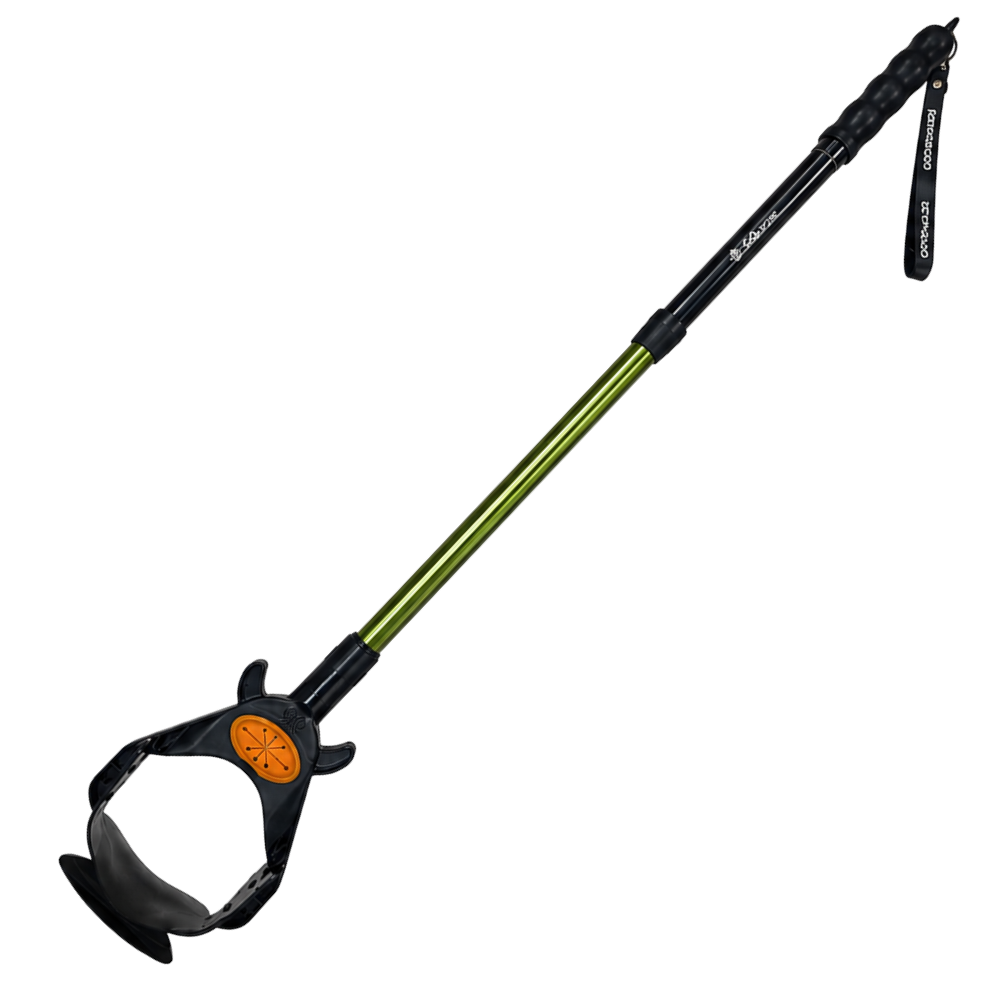
Hard surfaces take a scoop. Concrete, rubber and turf all give a blade something to press against, so a jaw or tray scooper picks up in one pass. A long-handled tool like the XP Pro Pooper Scooper does the whole job without bending.
Loose surfaces take a rake. Gravel, crushed stone and dirt have no backstop, so a flat blade either smears or digs. A wedge-style rake and spade accessory scoops material toward you instead of under you.
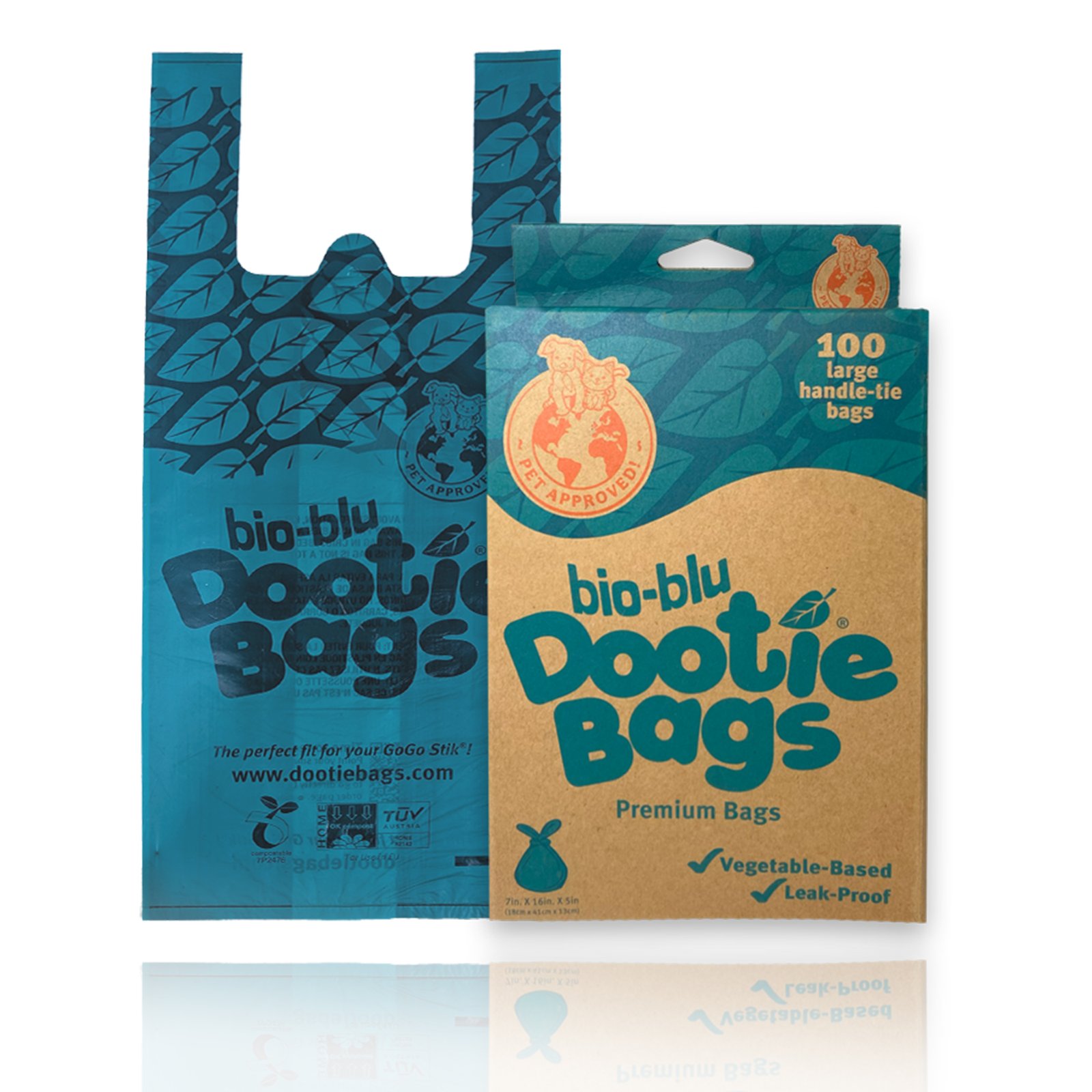
Whichever you use, the bag matters once stools are large or soft. Build the habit around a dog run cleaning routine that kills odour.
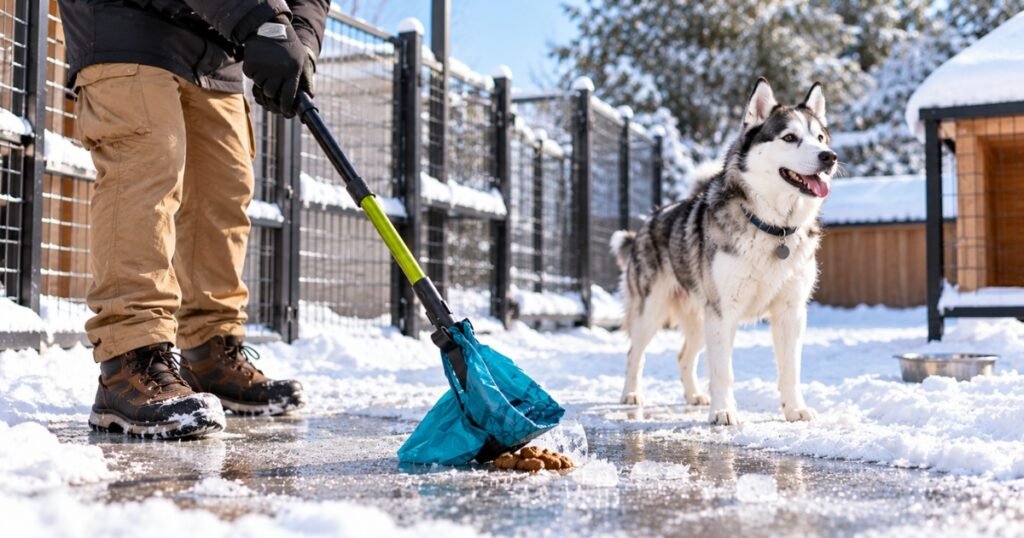
Cold changes the job. Frozen waste is easier to lift off concrete and rubber, so winter is actually the kinder season on hard floors, provided you keep ice off them.
Gravel is the opposite. Once water freezes between the stones the whole layer locks solid, and anything that sank is staying there until thaw. Turf stiffens but still releases solids. Dirt becomes a frozen rut field, then mud.
Keep scooping through winter regardless. Waste left to accumulate under snow arrives all at once in spring.
| Surface | Drainage | Comfort | Sanitising | Tool that suits it | Honest verdict |
|---|---|---|---|---|---|
| Poured concrete | Good with slope | Poor, hard and cold | Excellent | Scoop, then hose | Best for multiple dogs |
| Pea gravel | Excellent | Very good | Poor | Rake | Comfortable, high maintenance |
| Crushed stone | Very good | Fair, can be sharp | Fair | Rake or spade | Firmer, dustier compromise |
| Artificial turf | Good through backing | Very good | Fair, needs flushing | Scoop | Low effort if flushed |
| Natural grass | Varies with soil | Excellent | Poor | Scoop | One dog only |
| Rubber mats | Depends on base | Excellent | Good if lifted | Scoop | Best indoors and for seniors |
| Bare dirt or sand | Poor when wet | Fair until mud | Impossible | Rake | Avoid |
Ask these before money changes hands:
Then answer the one the quote never mentions: which tool will you be holding every morning on this surface, and do you already own it?
Poured concrete with proper slope, in most cases. Three dogs concentrate waste and urine in a small area, and concrete is the only common surface you can scoop clean and then disinfect properly. If the hardness worries you for older or heavy dogs, add rubber mats or a raised bed in the sheltered portion rather than changing the whole floor.
Crushed stone is easier to clean, pea gravel is kinder on paws. Angular crushed stone compacts firmer, so waste sits closer to the surface and a rake lifts it without taking the base with it. Rounded pea gravel stays loose and lets solids sink. If cleanup time is your main concern, go with crushed stone and accept the dust.
Not well. A flat-blade or tray scooper needs a hard surface to press against, and on loose stone it just pushes waste deeper. A wedge or rake-style head works far better because it pulls material toward you across the gravel instead of trying to slide underneath it. Keep the gravel layer shallow so the rake can reach the compacted base.
Pick your dog kennel flooring on drainage first, then on the cleanup tool you are willing to use twice a day for years. Hard surfaces reward a long-handled scoop; loose stone demands a rake, and no marketing will change that. Decide which one you will actually be holding, buy it before the run is finished, and ask your contractor the slope and base questions above while the quote is still negotiable.
Alec Beaton is the Founder & Inventor of Pooch Approved Products and GoGo Stik®. Inspired by real-life pet parenting, he turns everyday cleanup challenges into simple, innovative solutions that make life better for pets and their people.
How long can a dog go without pooping? Learn normal timeframes, warning signs of constipation, and when to call the vet. Clear, vet-backed answers.
Dog won’t poop in snow? Learn why cold, salt and buried scent stop them, how to clear a potty patch, and when holding it means a vet visit.
Dog butt wipes buyer’s guide: when your dog needs one, the 6 specs that matter, why baby wipes fail, and the signs that mean a vet visit, not more wiping.