





Dog Life & Training
Dog Won’t Poop in Snow? 6 Easy Fixes
Dog won’t poop in snow? Learn why cold, salt and buried scent stop them, how to clear a potty patch, and when holding it means a vet visit.

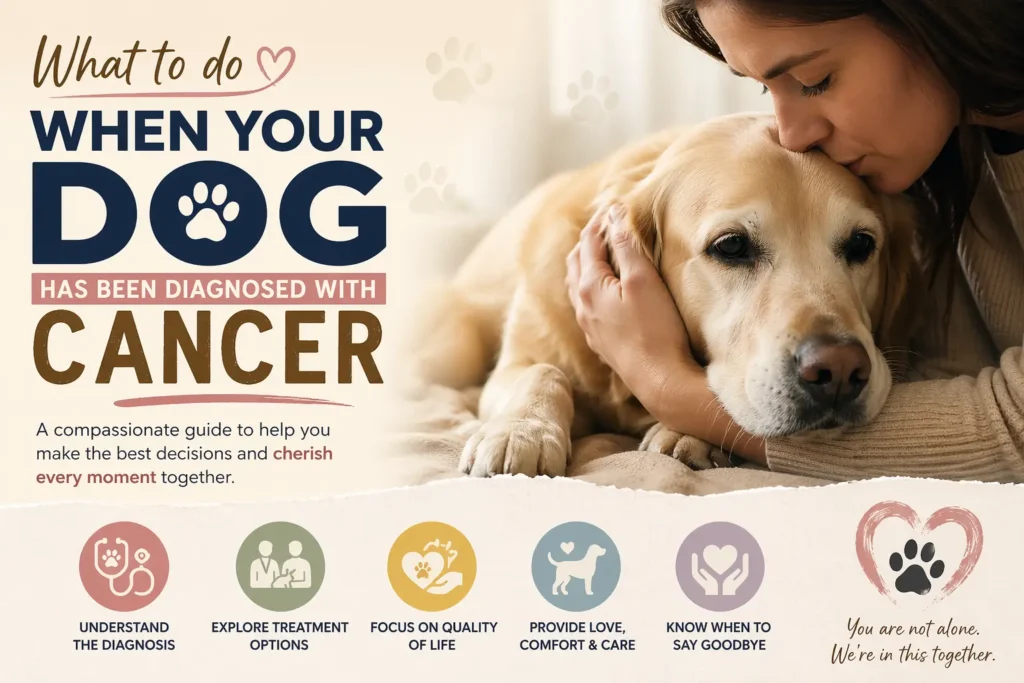
Those words hit like a punch to the gut: “Your dog has cancer.” Everything stops. Your mind goes blank, then races with a thousand thoughts all at once. Fear crashes over you while your beloved buddy sits there wagging, completely unaware that everything just changed.
Cancer strikes thousands of dogs every year, but nobody prepares you for this moment. The questions won’t stop coming. What kind of treatment exists? How much time do we have left? What does this mean for our daily routine?
This guide walks you through every step you need to take after getting that devastating news. We’ll cover your treatment options, how daily care changes, ways to handle the emotional side, and practical tools that actually help during this tough time. Our goal? To help you handle this journey with knowledge, confidence, and yes, even hope.
Dogs get cancer differently than we do. Over 100 types exist in veterinary medicine. Understanding exactly what your dog faces helps you make smart choices about treatment and care.
Set up a detailed talk with your vet about the specific cancer type, staging results, and what to expect going forward. Ask about treatment timelines and side effects. Request written copies of everything so you can review it at home when your head’s clearer.
Lymphoma tops the list and affects the lymphatic system. The good news? It often responds well to chemo. Osteosarcoma hits large breed dogs hard and usually shows up in leg bones. Mast cell tumors are tricky because they range from mild to aggressive, but surgery often does the trick.
Golden Retrievers, Boxers, and German Shepherds get cancer more than other breeds. But mixed breeds and small dogs aren’t immune. Catching it early makes a huge difference no matter what type your dog has.
Fighting cancer takes teamwork. You, your regular vet, and maybe a cancer specialist all need to work together. The goal is balancing aggressive treatment with keeping your dog comfortable and happy.
Nutrition becomes really important now. Some dogs lose their appetite, drop weight, or get picky about food. Work with your vet team to figure out a feeding plan that keeps your dog’s energy up and helps them handle treatment better.
Surgery works best for many solid tumors, especially when caught early. Getting the whole tumor out gives the best shot at long-term success. Dog chemo is different from human chemo and usually causes way fewer nasty side effects.
Alternative options like acupuncture, massage, and herbal supplements might help alongside traditional treatments. Always run these by your vet first to avoid problems with prescribed meds.
Cancer treatments often weaken your dog’s immune system. That makes clean waste pickup more important than ever. Chemo and radiation temporarily reduce your dog’s ability to fight off bacteria that’s normally found in poop.
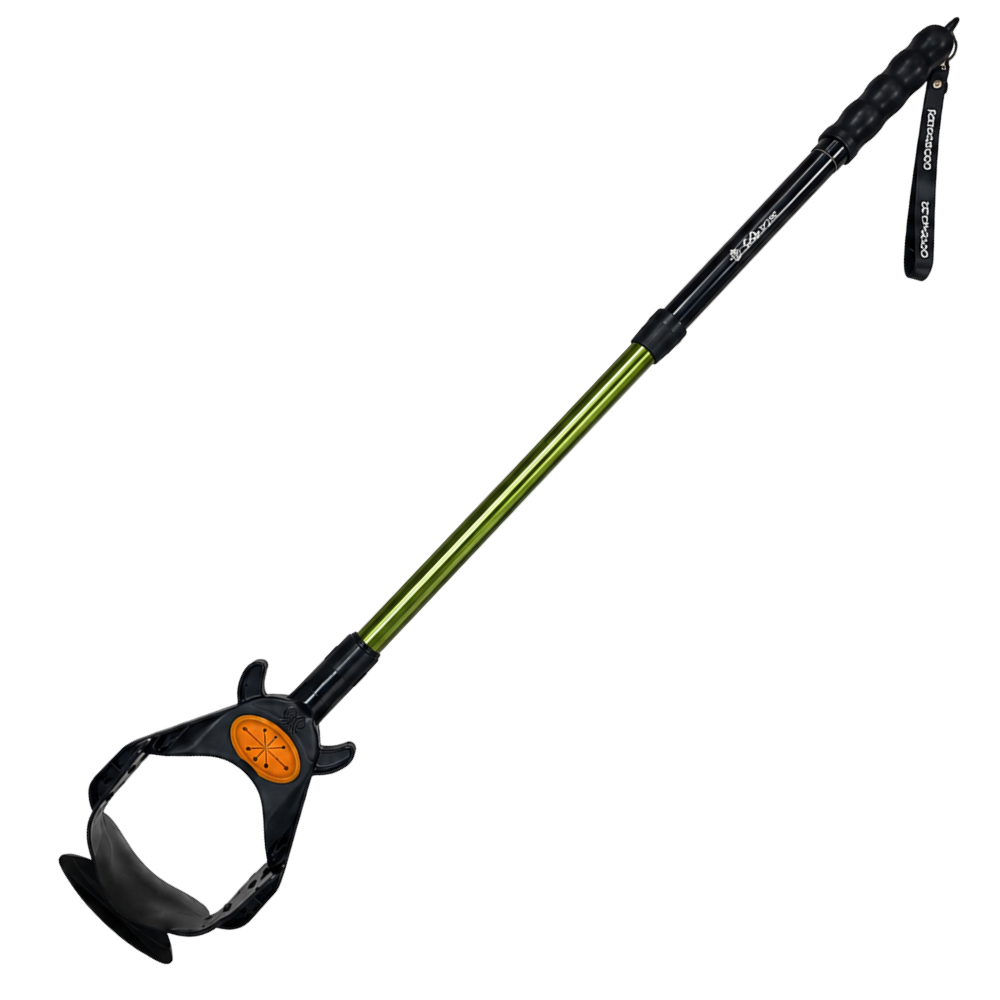
Old-school cleanup methods that involve getting close to waste or bending over create unnecessary risks for both you and your pet. Hands-free tools protect everyone while maintaining the clean space your dog needs during recovery.
No bending, no touching cleanup isn’t just convenient during cancer treatment. It’s actually necessary for health reasons. Heavy Dootie Pet Wipes clean sensitive areas gently without harsh chemicals that might irritate already tender skin.
Dogs going through treatment might get diarrhea, need to go more often, or have accidents in the house. Having reliable cleanup supplies ready reduces stress and keeps your home sanitary.
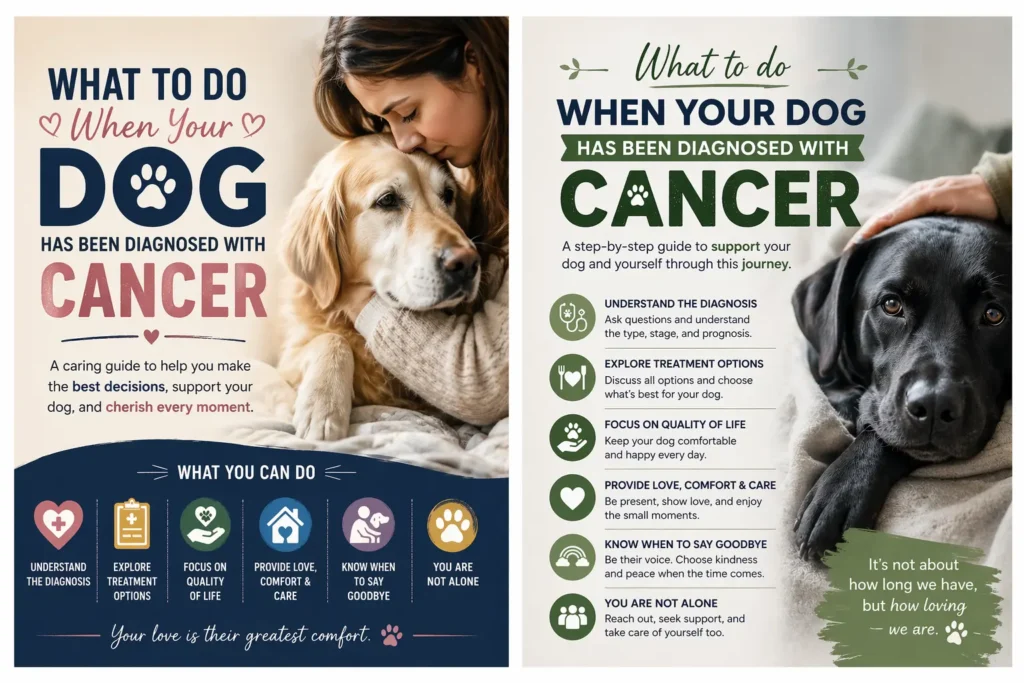
Support your dog’s health journey with our hygienic, hands-free cleanup solutions. Call now for order at +1 (315) 264-5210.
Cancer treatment affects everything about your dog’s routine. Energy levels change. Bathroom schedules shift. You’ll need to stay flexible as you adapt daily activities to match what your pet can handle.
Shorter, more frequent walks often work better than long exercise sessions. Watch your dog’s breathing, energy, and interest in activities. Some days will be good, others not so much. That’s completely normal.
Your yard needs extra attention when your dog’s immune system is compromised. Sick pets pick up parasites and bacteria more easily from old waste or dirty soil.
The XP Pooper Scooper with Heavy Dootie Bags has an ergonomic design that cuts down on strain during frequent yard checks. Extra-large, leakproof bags handle the messier waste that often comes with treatment.
A cancer diagnosis hits the whole family hard. Kids, grandparents, and even other pets struggle with the changes and uncertainty that cancer brings.
Grief starts at diagnosis, not just at the end. Feeling sad, angry, or completely overwhelmed? That’s normal and healthy. Professional counseling designed for pet families can teach you better ways to cope.
Many vet schools and animal hospitals have social workers who specialize in helping families deal with pet illness. These people get the special bond between pets and their families.
Don’t be afraid to ask for help with everyday stuff like grocery shopping, cooking, or rides to the vet. Most people want to help but don’t know what you need.
Cancer treatment costs vary wildly based on cancer type, treatment choice, and where you live. Initial testing alone can run hundreds to thousands of dollars before treatment even starts.
Chemo might cost $3,000 to $10,000 over several months. Surgery ranges from $1,500 for simple tumor removal to $15,000 for complex procedures. Radiation typically runs $6,000 to $10,000 for a full course.
Beyond the big treatment costs, factor in ongoing expenses like prescription drugs, frequent vet visits, special diets, and supportive care supplies. These costs add up fast over months of treatment.
Pet insurance might cover some cancer treatments if you bought the policy before diagnosis. Some companies offer payment plans or financial help for families facing big vet bills.
Quality of life assessments help guide tough decisions about continuing or stopping treatment. Vets use structured evaluation tools that look at pain levels, appetite, mobility, and interest in family activities.
In-home euthanasia lets pets pass peacefully at home. Many families find this less stressful for both the pet and family members, especially kids or elderly relatives.
Watch for changes in your dog’s interest in favorite activities, appetite for preferred foods, and willingness to interact with family. Pain management becomes the top priority when treatments aren’t working anymore.
Making peace with end-of-life decisions often means accepting that love sometimes means letting go. Focus on the quality time you have left rather than counting days.
Survival times vary dramatically based on cancer type, stage when found, and treatment chosen. Some dogs live months, others enjoy years of good life after diagnosis. Your vet can give you more specific info based on your dog’s particular situation and how they respond to treatment.
Modified activities work best during treatment. Shorter, more frequent walks often replace long hiking adventures. Let your dog set the pace, and don’t push exercise when they seem tired or uncomfortable.
Comfort measures include sticking to familiar routines when possible, providing soft bedding, making sure food and water are easy to reach, and using convenient cleanup tools that reduce stress during bathroom needs. Pain management through prescribed medications is often necessary.
Call your vet immediately if your dog stops eating for more than 24 hours, has trouble breathing, shows signs of severe pain, or has vomiting or diarrhea lasting more than a day. Treatment side effects sometimes need emergency care.
Use age-appropriate language to explain that the dog is sick and the family is working with doctors to help them feel better. Kids often handle things better when they can help with care routines like gentle grooming or helping with feeding.Navigate your dog’s cancer journey with confidence using our trusted, ergonomic cleanup solutions. Our durable, leakproof products provide the hygienic care your pet deserves during treatment. Order today our duty bags and pooper scooper products at +1 (315) 264-5210 or visit gogostik.com for complete cleanup solutions that support your family through every stage of pet care.

Alec Beaton is the Founder & Inventor of Pooch Approved Products and GoGo Stik®. Inspired by real-life pet parenting, he turns everyday cleanup challenges into simple, innovative solutions that make life better for pets and their people.
Dog won’t poop in snow? Learn why cold, salt and buried scent stop them, how to clear a potty patch, and when holding it means a vet visit.
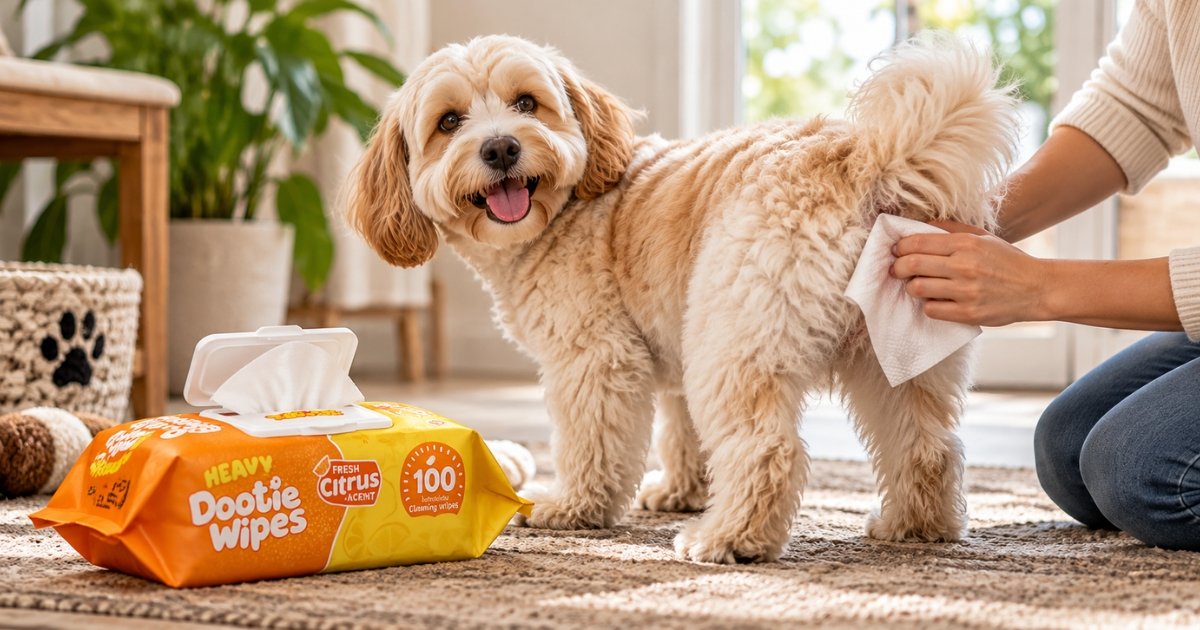
Dog butt wipes buyer’s guide: when your dog needs one, the 6 specs that matter, why baby wipes fail, and the signs that mean a vet visit, not more wiping.
Dog upset stomach? Use this vet-informed home-care checklist to soothe nausea, spot red flags, and know exactly when to call the clinic.