
Dog Health & Wellness
Dog Vomiting and Diarrhea: A Calm Owner’s Action Plan
Dog vomiting and diarrhea? Stay calm. Learn what’s normal, when to call the vet, and simple at-home steps to help your dog recover fast.
 Skip to content
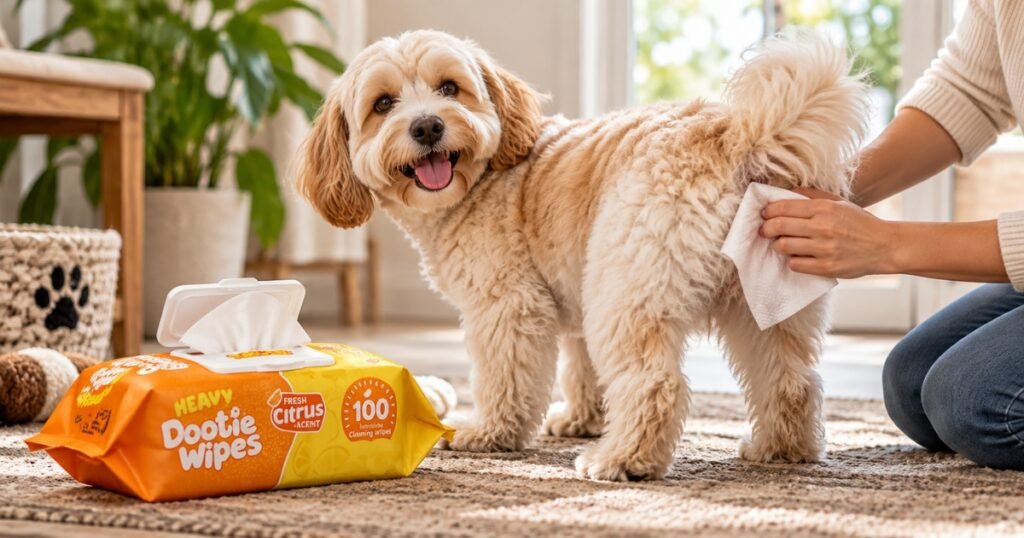
Dog butt wipes are worth keeping on hand if your dog has a long coat, the occasional soft stool, or limited flexibility, and the pack worth buying is large, strong enough not to shred mid-wipe, and either unscented or only lightly scented. Below is when rear-end cleaning is genuinely needed, the six things to check before you pay, why the baby wipes in your bathroom are not a substitute, and the point where wiping stops being the answer.
Most dogs do not need daily attention back there. Four situations account for nearly every case.
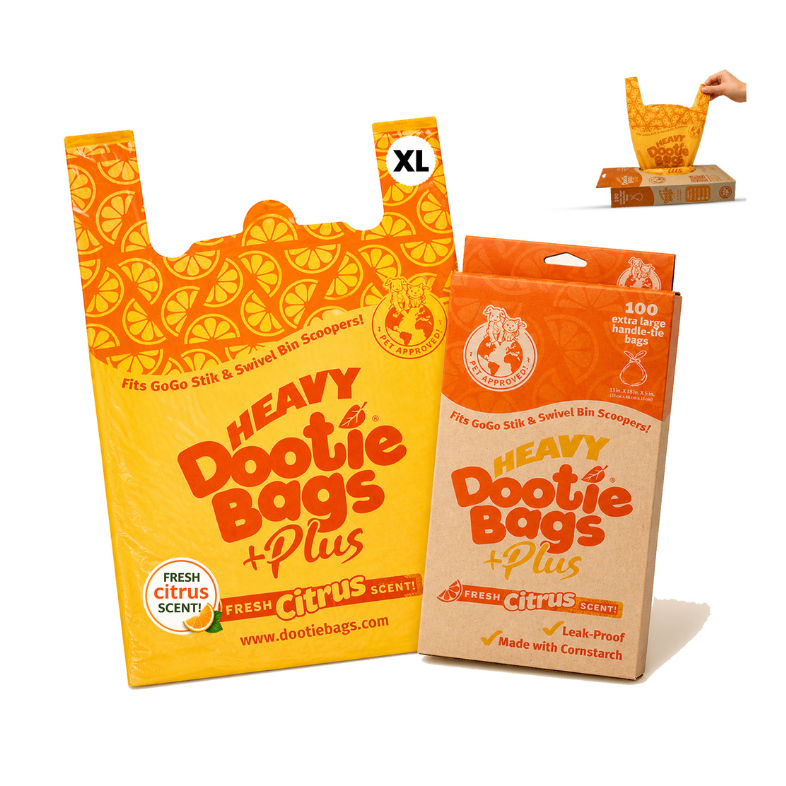
A firm stool usually leaves nothing behind. A soft one clings to the fur around the rear and ends up on floors, car seats and bedding. Clean it off outside, before the dog comes in. If loose stools keep repeating, the pattern matters more than the mess, and the dog poop color chart explains what texture and color can point to. Messy stools are also easier to collect in a roomy, strong bag such as the citrus-scented Heavy Dootie +Plus bags, and our notes on picking up soft poop in wet grass cover the scooping side.
Feathered britches on a setter, a doodle coat, a thick double coat, or the deep folds on a bulldog all trap debris that a short-coated dog simply shakes off. Heavy-bodied and barrel-chested dogs often cannot physically twist around to groom the area, so it stays dirty until you handle it.
Arthritic and overweight dogs lose the flexibility to self-clean, and dogs with any degree of incontinence need checking more often. Post-walk tidying is the fourth case: mud, sand, road grit and whatever your dog sat in on the trail. Wash your hands afterward either way, since dog feces can carry parasites such as roundworm and hookworm.
The label tells you most of what you need. Work through these six points in order.
Baby wipes are formulated for human skin, not for a dog’s. Many are fragranced, some contain alcohol, and both can irritate an area that is already sore from a bout of loose stools or from licking. The skin around a dog’s rear is thin and often already inflamed by the time you reach for anything.
The second problem is disposal. No wipe belongs in the toilet, baby or pet, flushable label or not. Wipes go in the trash.
If you are out of options tonight, a fragrance-free baby wipe once will not ruin your dog. It is not a product to keep buying. Wipes are hygiene between washes, not a substitute for one; the case for wipes versus a full bath is covered separately.
| What to look for | What to avoid |
|---|---|
| Generously sized wipes, one per clean | Small wipes that need three per clean |
| Bamboo fabric that holds up wet | Thin sheets that shred under pressure |
| Unscented or light natural scent | Heavy perfume or deodorizing claims |
| Snap lid that reseals properly | Sticker flaps that dry out the stack |
| Made for pets: rear, body and paws | Human wipes borrowed from the nursery |
| Trash disposal, every time | Anything sold as flushable |
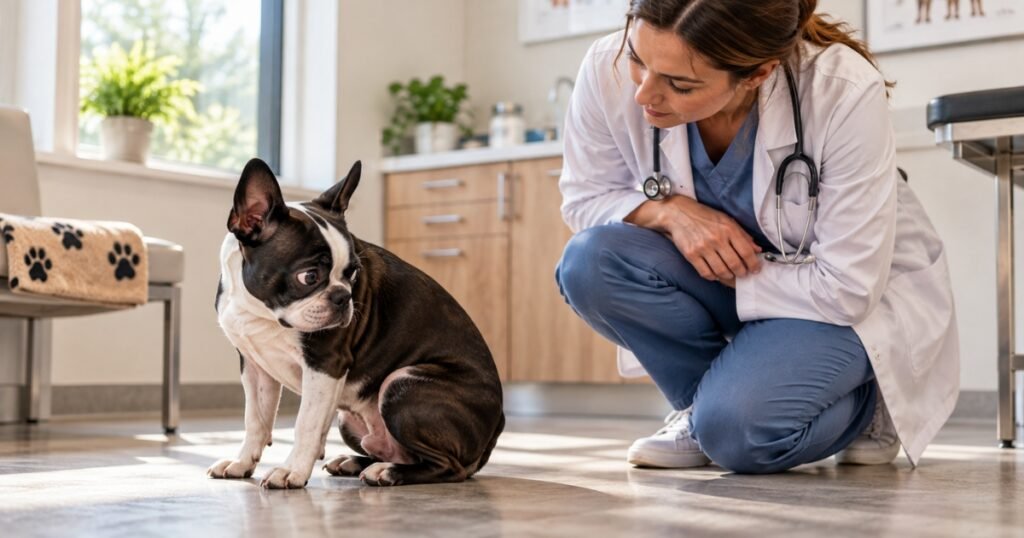
Wiping is housekeeping. It does not treat anything, and using it to paper over a problem delays the appointment your dog needs.
Any of these means a vet visit. Anal gland trouble is a common cause and it is not something more wiping will fix. Parasites are another possibility, which is why what worms in dog poop look like is worth knowing before you call. Leave the diagnosing to the clinic and bring a photo of the stool if you have one.
Wipes get used when they are within arm’s reach of where the dog gets cleaned, and ignored when they live in a cupboard. Park a pack by the back door, keep a second in the car, and leave one near the crate or grooming spot.
The routine itself is short: one wipe, front to back, one pass, into the trash. Do it outside or on tile, not on carpet. Follow with a treat so the handling stays uneventful, and if your dog objects, teaching a dog to accept wipes takes a few short sessions.
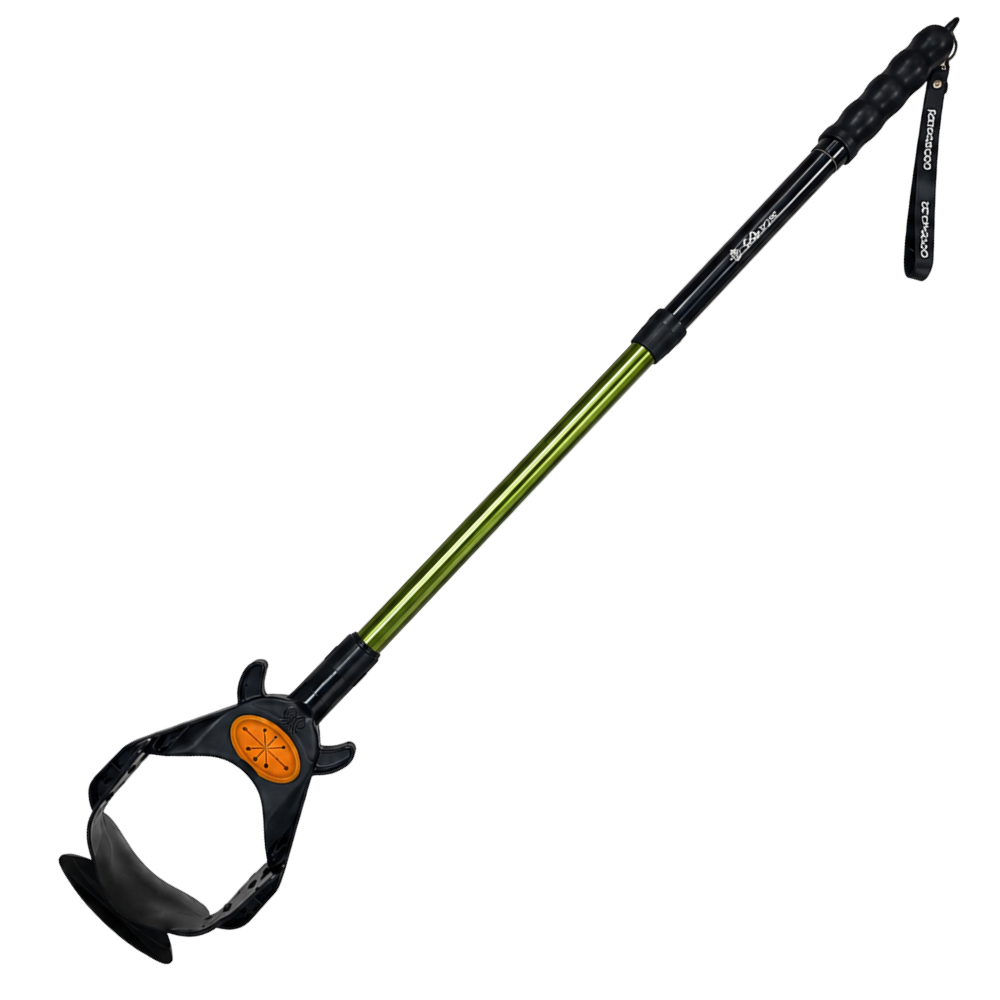
Storing the pack beside your yard tools helps too. Many owners keep wipes next to the XP Pro long-handle scooper so the whole cleanup, dog and ground, happens in one trip.
Not as a regular habit. Baby wipes are made for human skin and many contain fragrance or alcohol, which can irritate the thin, often already sore skin around a dog’s rear. A single fragrance-free baby wipe in an emergency is unlikely to cause harm, but a pet-specific wipe is the right tool for repeat use. Either way, it goes in the trash, never the toilet.
As often as the mess demands, and no more. Many dogs need it only after a soft stool or a muddy walk. Long-coated breeds, seniors and dogs who cannot reach the area may need a quick pass most days. Over-wiping a healthy dog can leave the skin dry and irritated, so stop once the area is visibly clean.
No. Even wipes labeled flushable do not break down the way toilet paper does and are a known cause of sewer and septic blockages. Put used wipes in the trash. If you want to bag them with the stool from that walk, a large, strong waste bag holds both without stretching the seams.
Book a vet appointment rather than cleaning again. Scooting that continues after the area is clean usually points to something a wipe cannot reach, with anal gland problems and parasites among the common causes. Note how long it has been happening, any swelling, smell or licking you have seen, and bring a recent stool sample or photo with you.
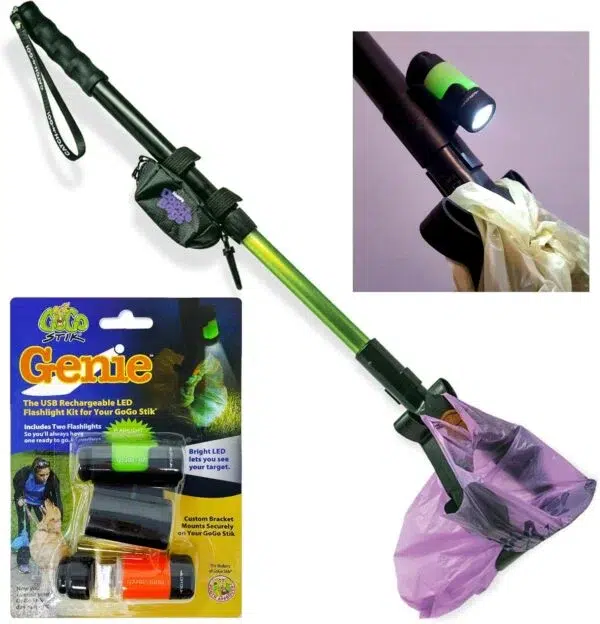
Buy big, buy strong, and skip anything heavily perfumed. Dog butt wipes earn their place when your dog has a long coat, soft stools or stiff joints, and they stop earning it the moment scooting, swelling or a smell that returns daily enters the picture. Keep a resealable pack by the door, use one wipe front to back, and shop the full GoGo Stik range if you want bags and a scooper in the same order.
Alec Beaton is the Founder & Inventor of Pooch Approved Products and GoGo Stik®. Inspired by real-life pet parenting, he turns everyday cleanup challenges into simple, innovative solutions that make life better for pets and their people.
Dog vomiting and diarrhea? Stay calm. Learn what’s normal, when to call the vet, and simple at-home steps to help your dog recover fast.
Green dog poop can signal grass, bile, or illness. Learn the common causes, warning signs, and when to call your vet in this 2026 guide.
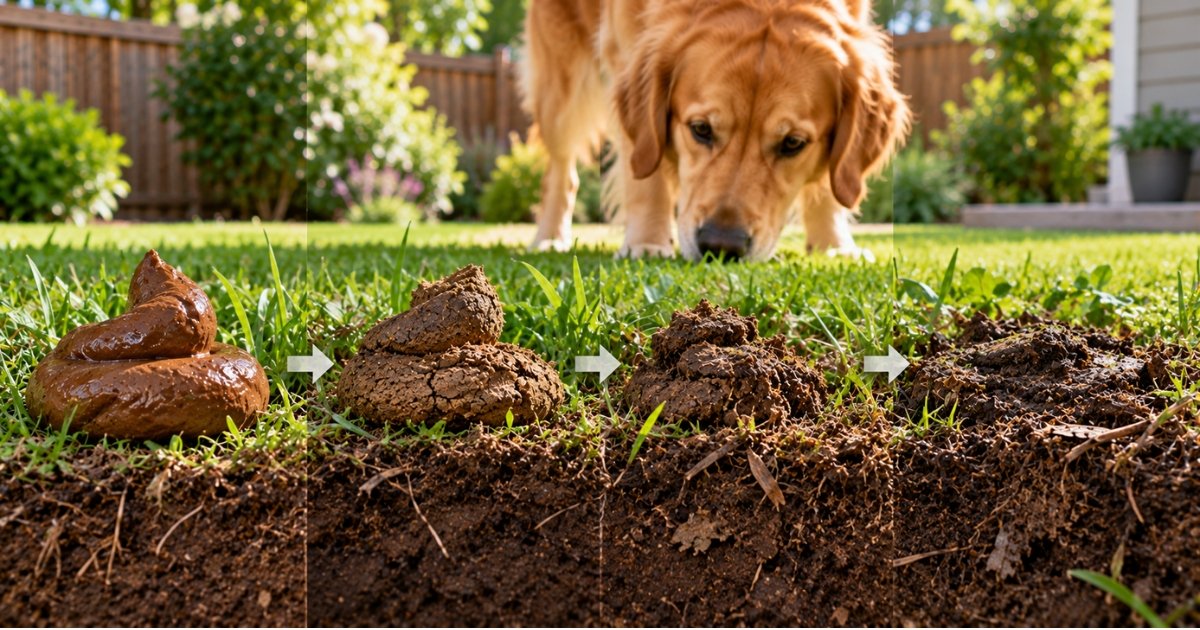
How long does dog poop take to decompose? Get real timelines, why it matters, and cleaner cleanup tips for your yard and the planet in 2026.