
Pooper Scoopers
Dog Poop Vacuum: Worth It? 7 Real Questions to Ask
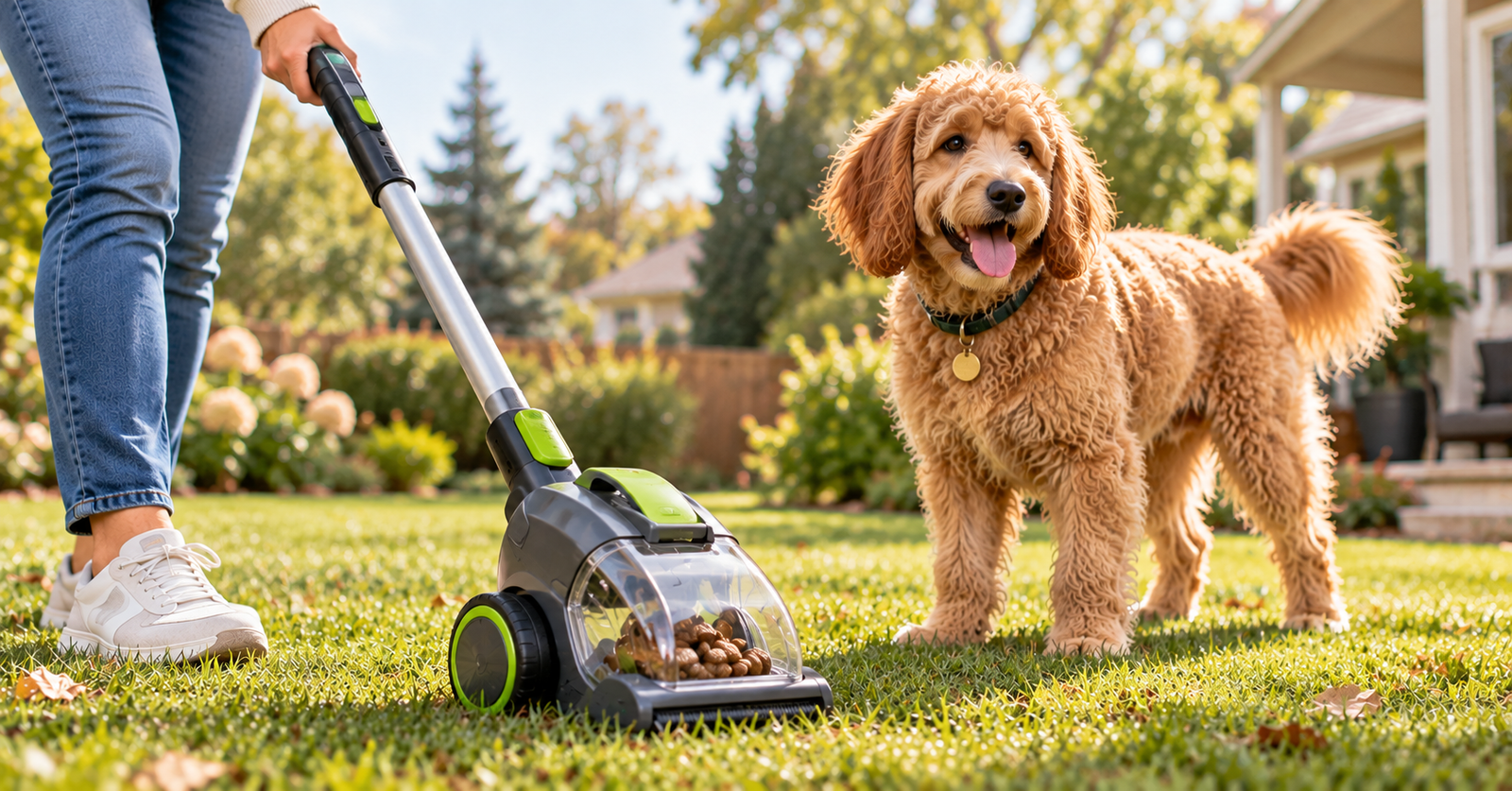
Can a dog poop vacuum really clean your yard? Here is how suction, powered scoopers and yard robots work, what they struggle with, and what to buy.
 Skip to content
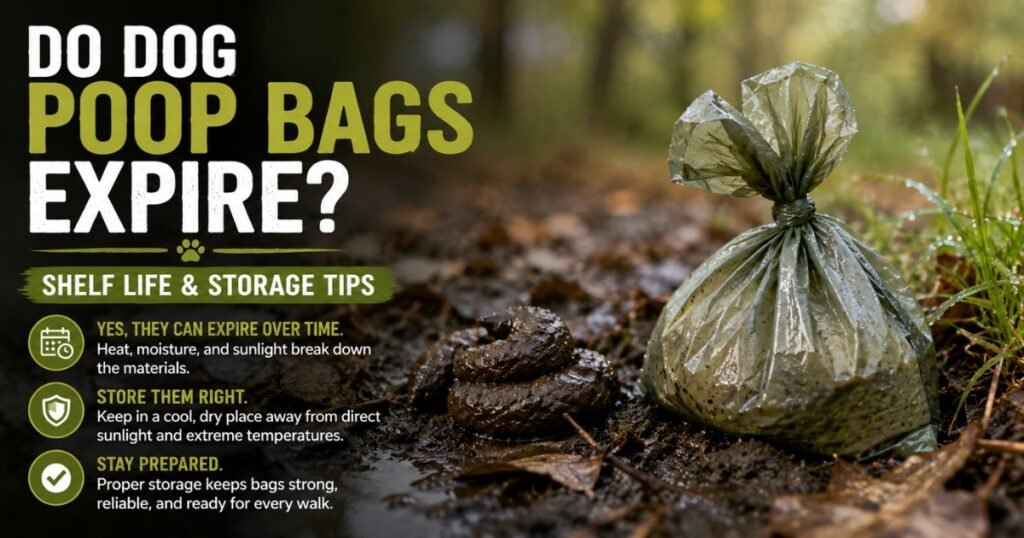
You find a roll of poop bags in the back of a closet, in a coat pocket from two winters ago, or rattling around the car’s glove box. The obvious question: do dog poop bags expire — and is that old roll still safe to use?
The short answer is that most poop bags don’t carry a true expiration date the way food or medication does, but they absolutely have a practical shelf life. Plastic film ages. Heat, sunlight, and humidity speed that up. And a bag that fails mid-pickup is one of the least pleasant surprises in dog ownership. Here’s how long bags actually last, what makes them degrade, and how to store yours so they work on day one and day 900.
Standard polyethylene poop bags — the vast majority of what’s sold — are not biologically perishable. There’s no mold, no rot, no bacteria eating the material. What happens instead is slow physical aging: the polymer chains that give the film its stretch and tear resistance gradually break down when exposed to UV light, oxygen, and heat. The bag doesn’t rot; it gets brittle.
In practical terms:
So when someone asks “do dog poop bags expire,” the accurate answer is: conventional bags degrade rather than expire, compostable bags come closest to a true expiration date, and storage conditions matter more than the calendar in almost every case.
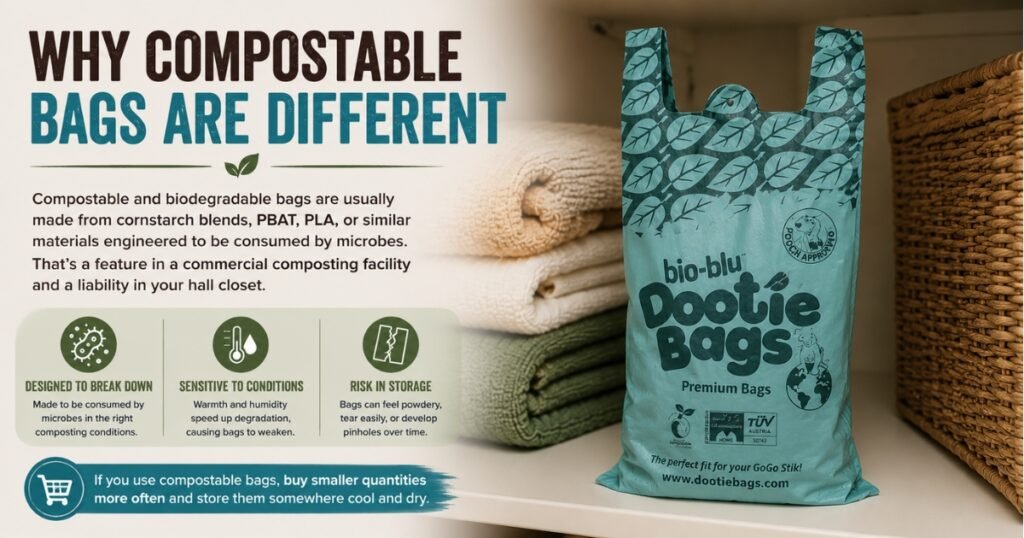
Compostable and biodegradable bags are usually made from cornstarch blends, PBAT, PLA, or similar materials engineered to be consumed by microbes. That’s a feature in a commercial composting facility and a liability in your hall closet. Warmth and humidity are exactly the conditions those materials are designed to respond to, which is why a two-year-old box of compostable bags can feel powdery, tear on opening, or develop pinholes you won’t notice until it’s too late. If you use compostable bags, buy smaller quantities more often and store them somewhere cool and dry.
You don’t need a lab. A ten-second check tells you almost everything. Pull one bag off the roll and look for:
The real-world test: inflate a bag with air, twist the top closed, and squeeze. A healthy bag holds pressure and resists. A degraded bag pops or leaks at a seam. If a bag fails that test, retire the whole roll — they aged together.
Storage is where most bags are lost, not time. Three enemies: heat, sunlight, and moisture. Control those and a case of bags will outlive most of what else is in your closet.
Bulk buying saves money, and with conventional bags stored properly, it’s usually the right call. The math changes with material and household size.
A rough guide: figure two to four bags per dog per day. A single medium dog goes through roughly 700–1,000 bags a year; two dogs can push past 2,000. If a bulk case represents more than about two years of use for your household, you’re buying storage risk along with the bags — especially with compostable options.
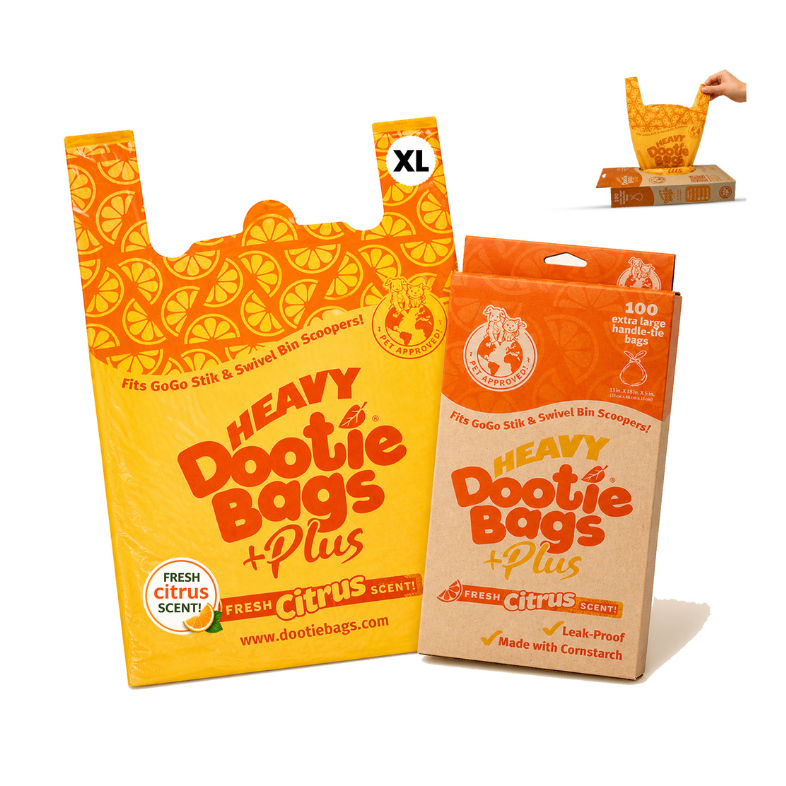
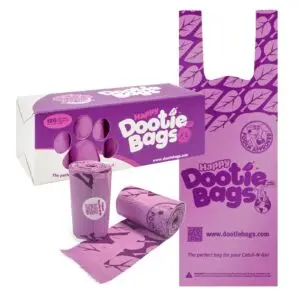
Bag quality also changes the calculation. Thicker, higher-gauge film with a real tie handle has more material to lose before it becomes unusable, so it ages more gracefully than thin, flimsy stock. That’s part of why The Original HEAVY Dootie Bags hold up well in storage — a heavier bag that loses a little flexibility is still a functional bag, while a thin one that loses the same amount becomes a hazard. The large leakproof EZ Tie Handle version covers most everyday pickups with the same durable construction.
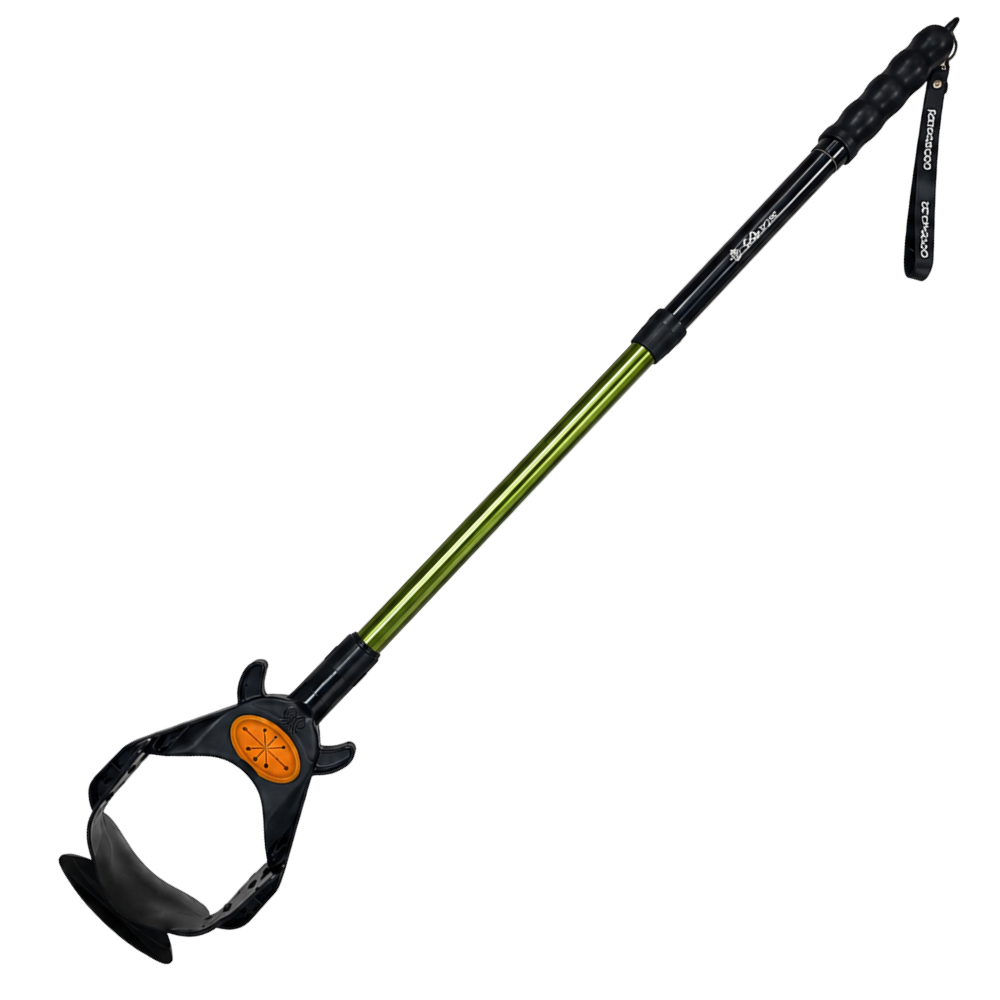
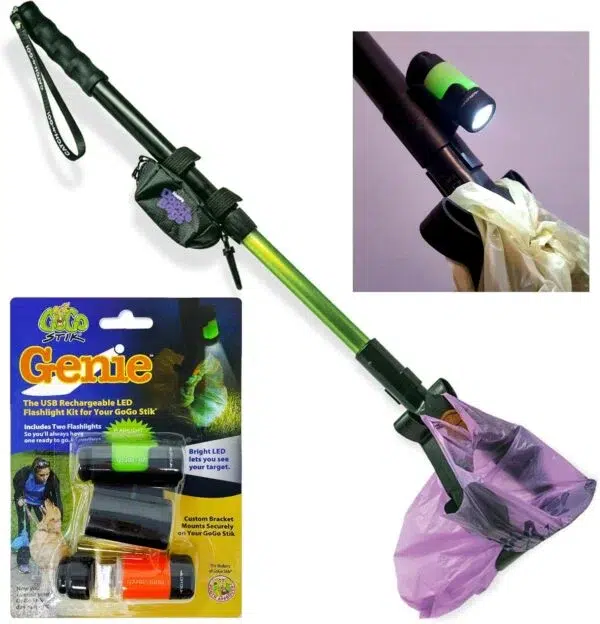
One more consideration: bags are only half the system. Pairing sturdy bags with a no-touch scooper means you’re never relying on a thin layer of plastic between your hand and the mess — which matters most on exactly those days when the bag turns out to be older than you thought.
If they’re conventional plastic bags that were stored indoors, very likely yes. Do the inflate-and-squeeze test on one bag from the roll first. If it holds air under pressure and the handles don’t snap when tied, the rest of the roll is fine. If you stored them in a car or garage, be more skeptical — heat cycling does more damage in one summer than five years on a closet shelf.
Yes, meaningfully so. Plant-based and compostable bags are engineered to break down, and warmth plus humidity starts that process whether or not the bag is in a compost facility. Many carry a manufacturer’s recommended use-by window of about 12–18 months. Buy them in quantities you’ll use within a year and keep them cool and dry.
That’s usually a thickness problem, not an age problem. Very thin bags — especially free rolls from dispensers — tear under normal load regardless of freshness. Check the bag’s gauge or thickness rating, and look for bags described as leakproof with reinforced tie handles. Cold weather also stiffens plastic temporarily, so bags that work fine in July can feel fragile in January.
Not usually. When conventional plastic bags carry a date, it’s typically a “best by” quality guideline rather than a safety cutoff, and it’s often tied to scent additives or a manufacturer’s performance guarantee. Compostable bags are the exception — take their dates seriously. Either way, a physical inspection tells you more than the printed date does.
Dog poop bags don’t spoil, but they do age — and how you store them determines whether that takes two years or ten. Keep your bulk supply cool, dark, and dry, rotate your stock, treat the car as a small emergency stash rather than a warehouse, and buy compostable bags in shorter cycles. Test a bag before trusting an old roll, and start with bags thick enough that a little aging doesn’t matter.
Ready to restock with bags built to last? Browse the full GoGo Stik shop for heavy-duty Dootie Bags, no-touch scoopers, and pet wipes — or start at gogostik.com to see how the whole system works together.

Alec Beaton is the Founder & Inventor of Pooch Approved Products and GoGo Stik®. Inspired by real-life pet parenting, he turns everyday cleanup challenges into simple, innovative solutions that make life better for pets and their people.
Can a dog poop vacuum really clean your yard? Here is how suction, powered scoopers and yard robots work, what they struggle with, and what to buy.
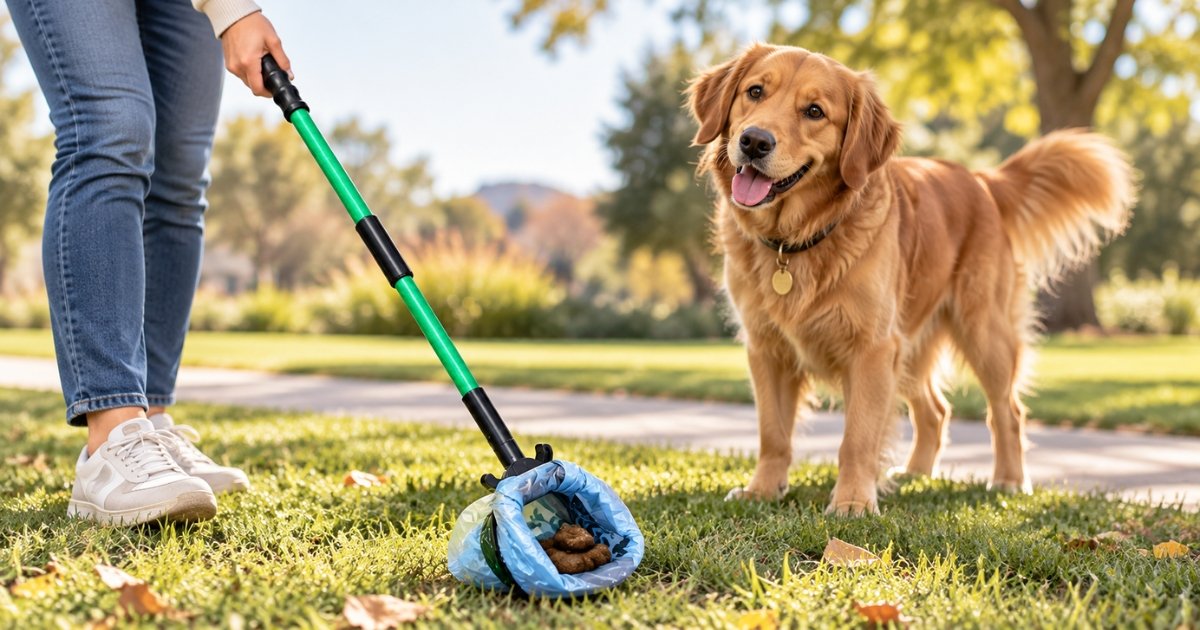
A claw pooper scooper is cheap and one-handed, but it fails on soft stool and gravel. Here are 5 checks before you buy, plus a cleaner alternative.
How long can a dog go without pooping? Learn normal timeframes, warning signs of constipation, and when to call the vet. Clear, vet-backed answers.