

Dog Poop Etiquette & Rules
How to Dispose of Dog Poop: 7 Safe Methods That Work
Learn how to dispose of dog poop safely: bagging and binning, flushing, composting, digesters and no-bin walks. What is safe, what is not, and why.
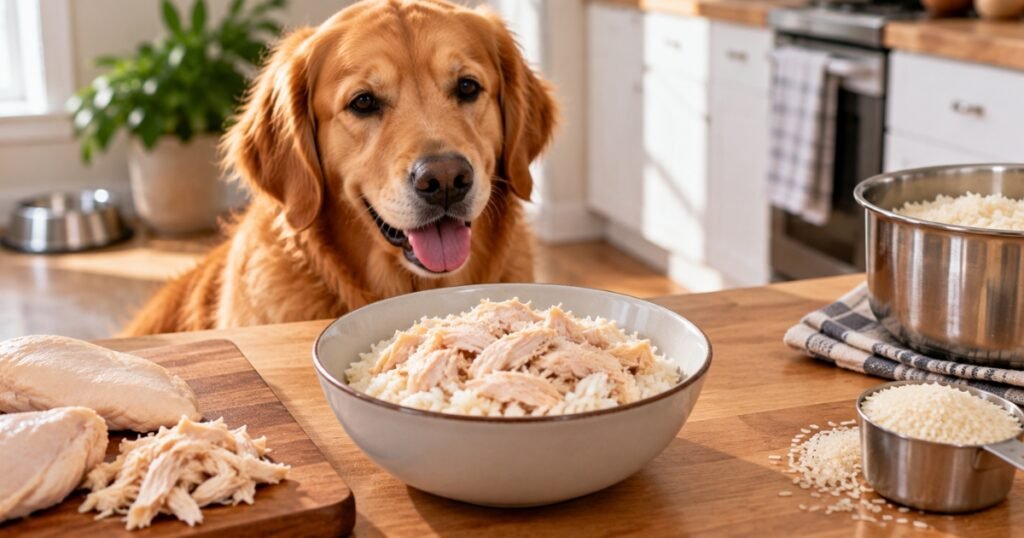
When your pup has the runs or keeps bringing up dinner, a bland diet for dogs is often the gentlest first step. This simple, easy-to-digest meal—usually boiled chicken and white rice—gives an irritated gut a chance to settle without the fat, spices, or rich additives found in everyday kibble. As longtime dog owners (and the folks behind GoGo Stik’s no-touch scoopers), we’ve cleaned up our share of messy yards, so we know how much a calmer tummy means for both of you.
Below, we’ll walk through exactly how to make a bland diet, the right chicken-and-rice ratio, how long to feed it, and the warning signs that mean it’s time to call your veterinarian.
A bland diet for dogs is a short-term, low-fat, low-fiber meal made from one lean protein and one simple carbohydrate. The goal is simple: feed something the digestive system barely has to work on, so an inflamed stomach and intestines can recover.
Vets often recommend it for mild cases of:
The classic combo is boiled, skinless chicken breast and plain white rice. It’s inexpensive, widely recommended, and most dogs find it easy on the gut. According to the American Veterinary Medical Association, sudden diet changes are a common trigger for digestive upset, which is why a deliberately plain menu helps.
Getting the proportions right matters. Too much protein can be heavy; too much rice offers little nutrition. A good starting point is a 2:1 ratio of rice to chicken—two parts cooked white rice to one part cooked chicken.
Our practical tip: Save the plain chicken broth (fat skimmed off, no salt or seasoning) and drizzle a little over the mix. It adds moisture and tempts a dog with a low appetite to eat.
Feed smaller portions more frequently—about 3 to 4 small meals a day instead of one or two big ones. Small meals are easier on a recovering gut and less likely to come back up. Match the total daily volume roughly to what your dog normally eats, scaled to their size.
A bland diet is a short-term fix, not a permanent menu. Most dogs stay on it for 2 to 3 days. Once stools firm up and vomiting stops, transition back to regular food gradually over 2 to 3 days—mixing in increasing amounts of kibble each day.
Chicken and rice alone lacks the complete balance of vitamins, minerals, and essential fatty acids your dog needs long-term. Staying on it too long can lead to nutritional gaps. If symptoms haven’t improved within 2 to 3 days, that’s a clear signal to loop in your vet rather than extending the diet.
Chicken and rice isn’t the only option. If your dog has a chicken sensitivity or you want variety, several swaps work well.
The U.S. Food & Drug Administration stresses safe food handling for pets too—cook proteins thoroughly and refrigerate leftovers promptly to avoid introducing new bacteria to an already sensitive stomach.
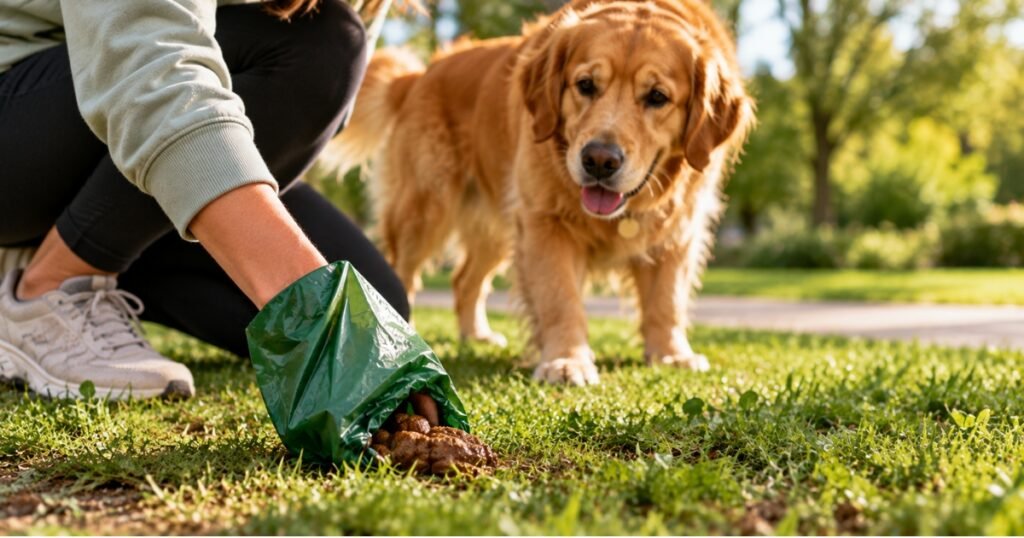
Here’s the honest part no one loves: a dog with digestive trouble means more frequent—and often messier—bathroom trips. During recovery, you’ll be scooping softer stools and heading outside at odd hours, so the right cleanup gear makes a real difference.
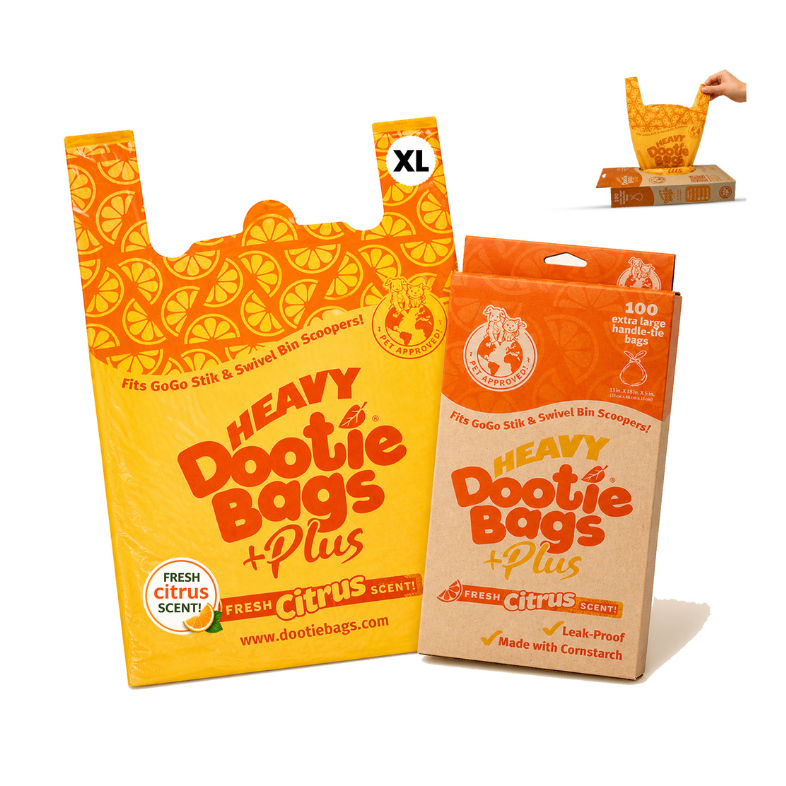
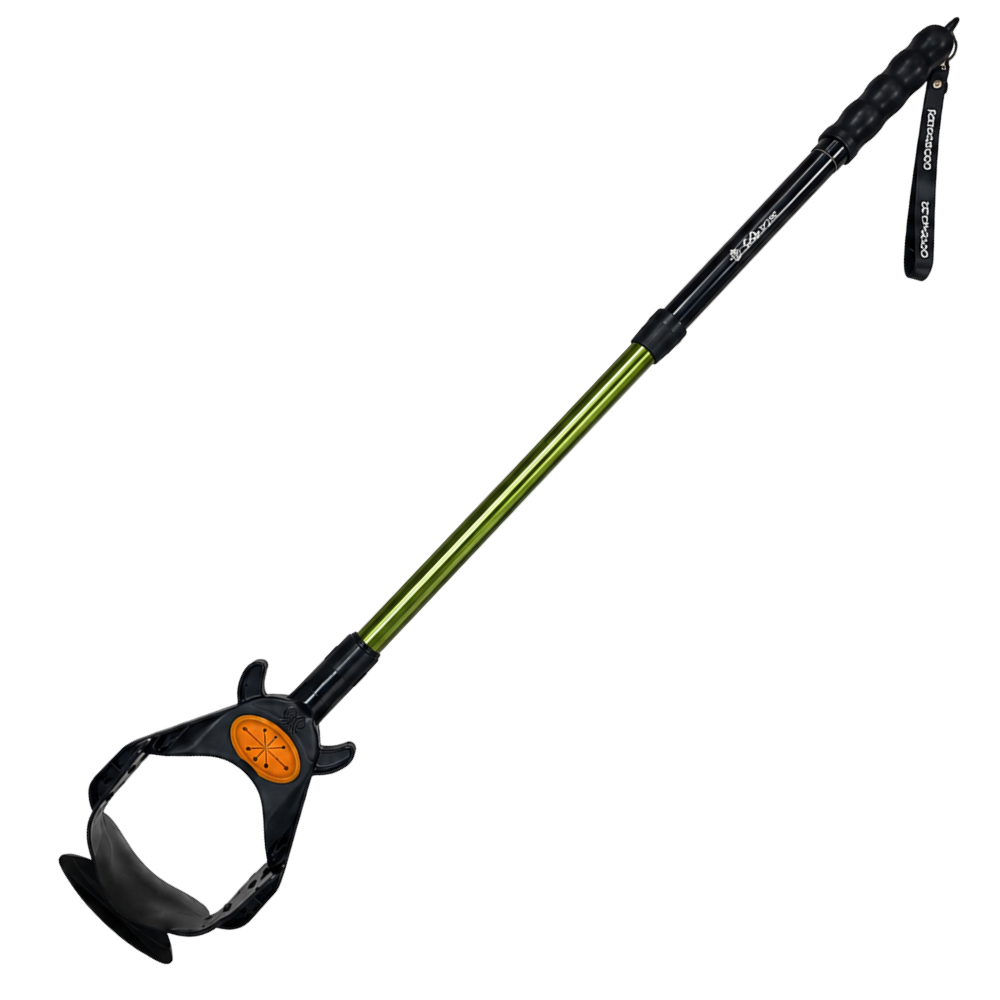
Strong, leakproof bags keep the job quick and sanitary. Our Original Dootie Bags with EZ Tie handles are built for exactly these days, and the Original HEAVY Dootie Bags step up to extra-large, extra-strong duty when things are especially soft. Pairing a sturdy bag with a no-touch GoGo Stik scooper keeps you a full arm’s length from the mess—a small comfort that counts when your dog isn’t feeling their best.
No. A bland diet for dogs is meant for short-term recovery, typically 2 to 3 days. It isn’t nutritionally complete for daily, long-term feeding. If your dog needs a special diet ongoing, ask your vet about a balanced therapeutic food.
Never. Keep it completely plain—no salt, oil, butter, garlic, or onion. Garlic and onion are actually toxic to dogs, and added fat or seasoning can worsen an upset stomach.
Contact your veterinarian if symptoms last more than 48 hours, or if you notice blood in stool or vomit, lethargy, a bloated or painful belly, repeated vomiting, or signs of dehydration. Puppies, seniors, and dogs with health conditions should be seen sooner.
White rice is better for a bland diet. It’s lower in fiber and easier to digest than brown rice, which helps a sensitive gut recover with less work.
A well-made bland diet for dogs—plain boiled chicken and white rice in a 2:1 ratio, fed in small, frequent meals for a few days—is one of the simplest ways to help a queasy pup bounce back. Keep it plain, keep it short-term, and watch closely for red flags that warrant a vet visit.
And for the unavoidable cleanup that comes with a recovering tummy, stock up on dependable, leakproof supplies at the GoGo Stik shop—so you can focus on your dog, not the mess.

Alec Beaton is the Founder & Inventor of Pooch Approved Products and GoGo Stik®. Inspired by real-life pet parenting, he turns everyday cleanup challenges into simple, innovative solutions that make life better for pets and their people.
Learn how to dispose of dog poop safely: bagging and binning, flushing, composting, digesters and no-bin walks. What is safe, what is not, and why.
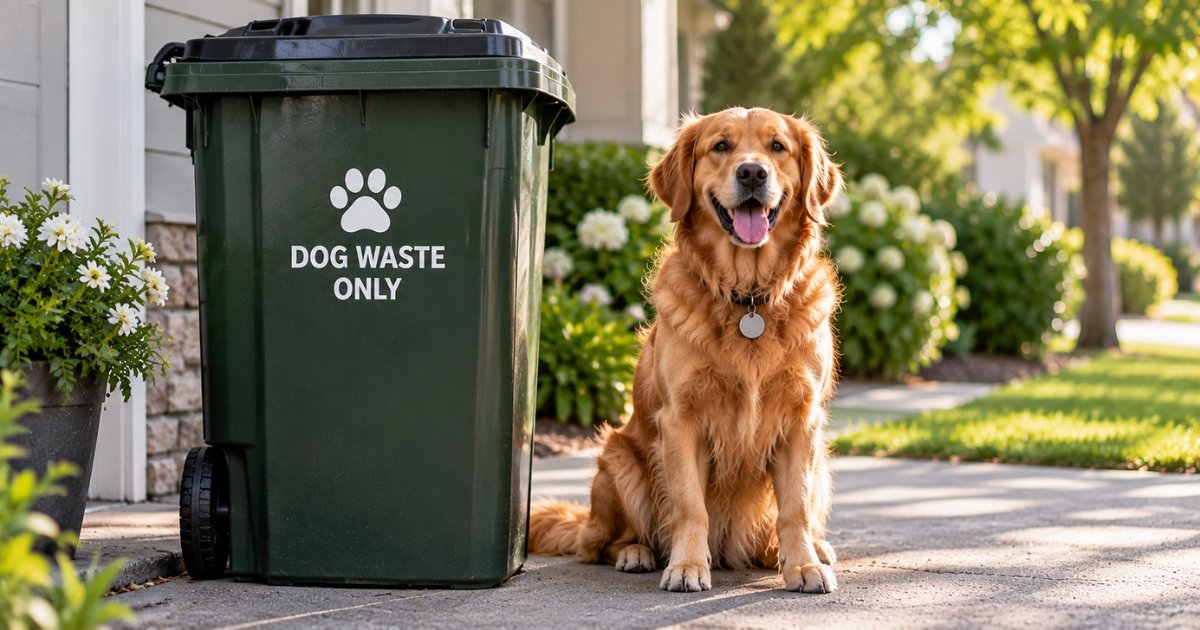
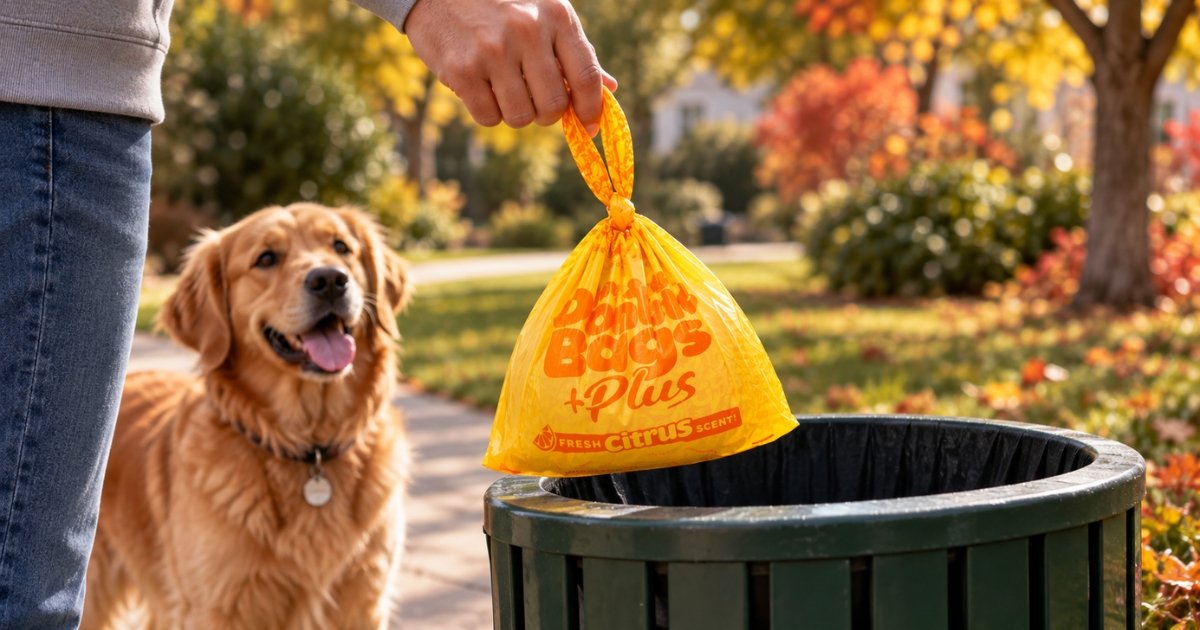
Bagged dog waste goes in a regular trash bin, the one headed for the landfill, not the recycling cart and not the green organics cart. Everything else is logistics: choosing a bag strong enough to survive the trip, and putting bins where you will actually use them instead of walking
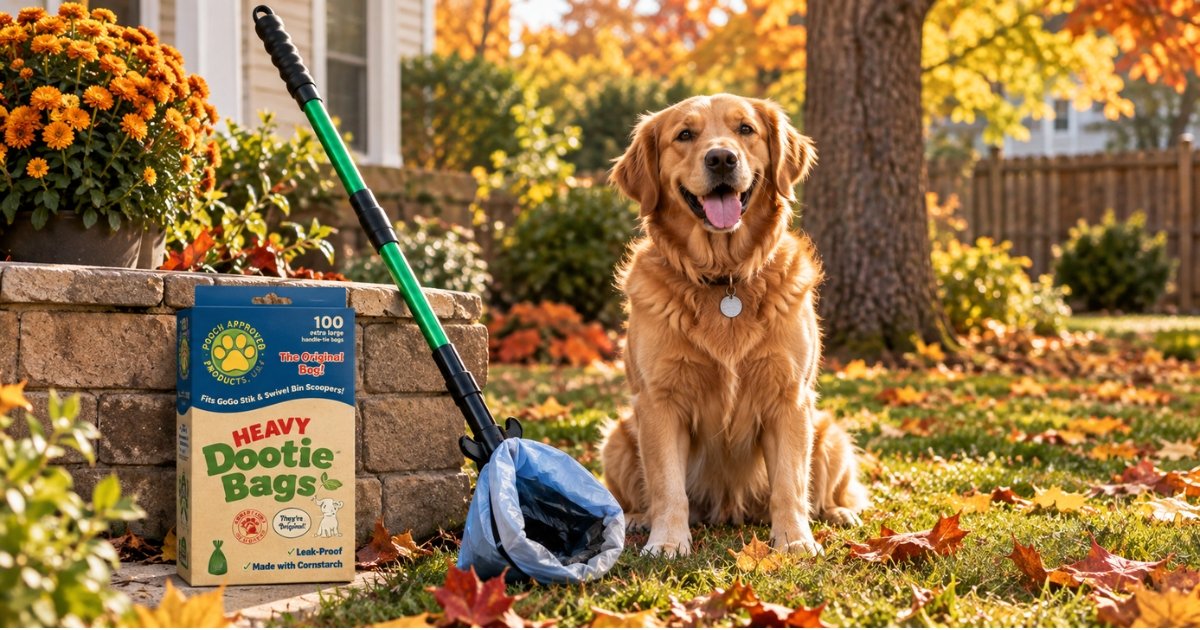
Build the ultimate dog yard cleanup kit this fall: no-touch scooper, rake, and leakproof bags. Compare sets, prices, and pro tips.