




General
Why Do Dogs Circle Before Pooping? The Science
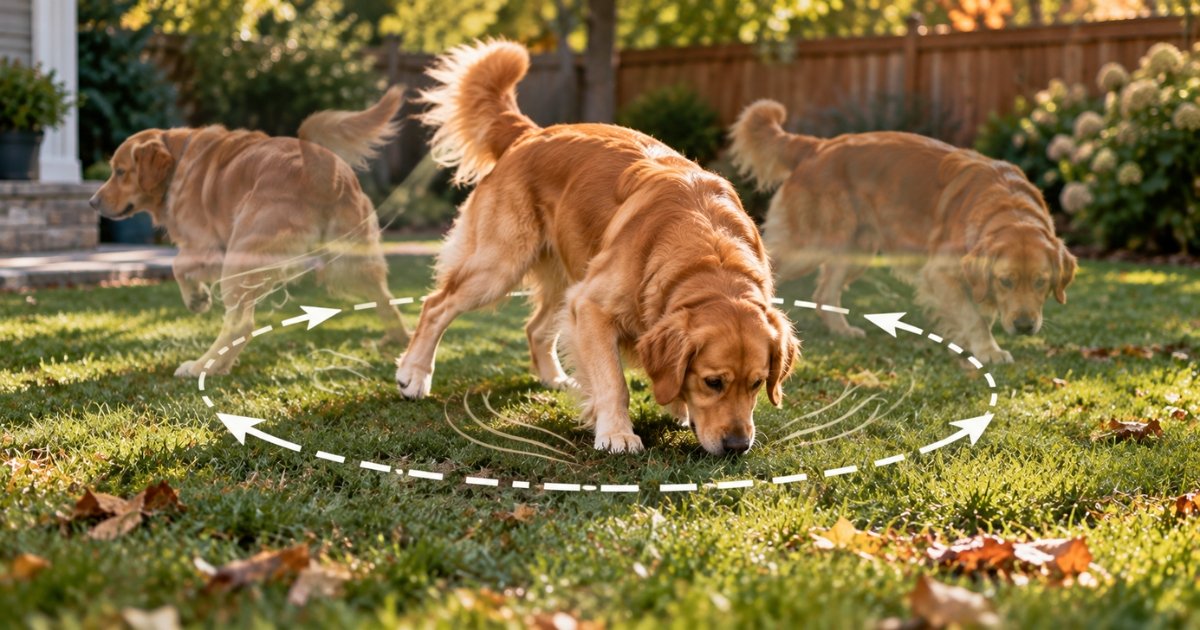
Why do dogs circle before pooping? The science behind spinning, Earth’s magnetic field, safety instincts—plus easy cleanup tips for pet parents.
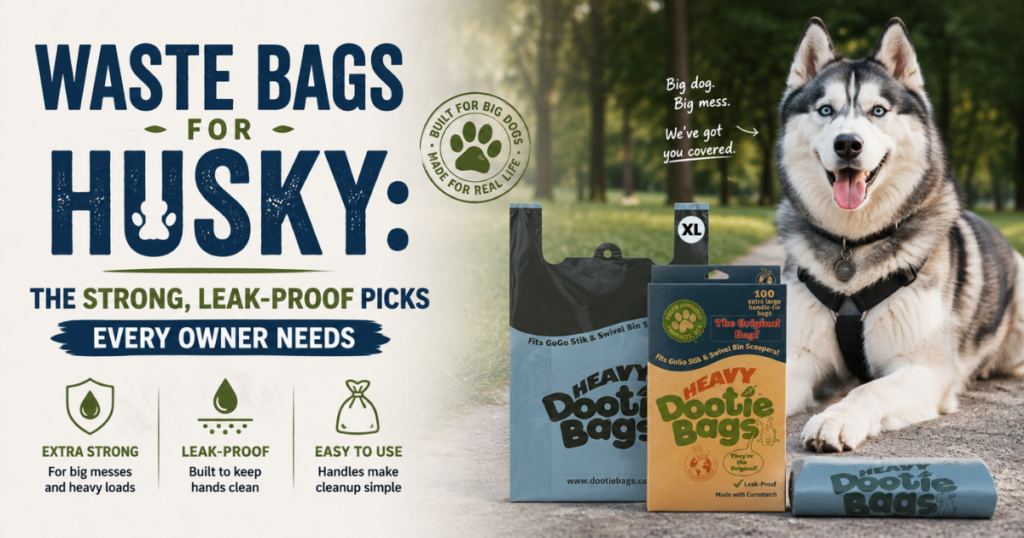
Anyone who shares their life with a Husky knows two things for certain: they will run you ragged, and they will out-produce a dog twice their size at cleanup time. Finding the right waste bags for Husky owners isn’t a small detail — it’s the difference between a smooth morning run and standing on a trail with a torn bag and nowhere to put it.
Huskies are athletic, high-energy working dogs that eat well, move constantly, and go on long outdoor adventures. That means more waste, in more places, often miles from the nearest trash can. Thin, undersized poop bags simply weren’t built for that life. In this guide, we’ll cover exactly what makes a great waste bag for a Husky, how thick it should be, the eco-friendly question, and which waste bags for Husky households actually hold up — so you can spend less time worrying about cleanup and more time keeping up with your dog.
The best waste bags for a Husky are extra-large, leak-proof, heavy-duty bags with a long EZ-tie handle — ideally around 11″ x 18″ with side gussets for extra room. GoGo Stik’s Heavy Dootie Bags fit this profile, giving Husky owners enough size, thickness, and grip to handle big messes cleanly on walks, hikes, and in the yard.
Why do Huskies need stronger waste bags? Because they’re a medium-to-large, high-output breed that spends serious time outdoors — so their cleanup demands are bigger and messier than a small house dog’s.
A few breed realities drive this home:
Put simply, the right waste bags for Husky owners need to be bigger, thicker, and easier to handle than the bargain-bin default. If you want to skip ahead, you can browse the full dog poop bags collection and sort by size — but the features below are what actually separate a reliable bag from a frustrating one.
When you’re comparing options, these five features are what matter. Get them right and cleanup becomes a non-event.
How thick should dog waste bags be? For a large, active breed, look for bags noticeably thicker than standard grocery-style poop bags — thick enough that you can’t see through them and they don’t stretch thin when stuffed. Thickness is the single biggest predictor of whether a bag punctures on a stick, a curb, or a firm deposit. For Huskies, thicker is almost always the right call.
Leak-proof construction means sealed, reinforced seams and enough material to fully wrap waste — no thin spots, no surprise drips. This is the feature that protects your hands and your backpack on a long hike. With a Husky’s occasional loose-stool days, true leak protection earns its keep fast.
Bigger bags do two jobs: they handle large messes in one grab, and they give your hand room to stay well clear of the contents. GoGo Stik’s extra-large Heavy Dootie Bags measure 11″ x 18″ with 5.25″ side gussets — generous even for the biggest Husky deposit. A roomy bag also makes the tie-off cleaner, since you’ve got slack to work with.
Durable waste bags resist tearing under stress — when you twist them shut, swing them, or carry several at once on a multi-dog walk. Cheap bags split at the seam at the worst moment. A tear-resistant bag built for large breeds simply doesn’t put you in that position.
Odor control comes from two places: thicker material that contains smell, and an optional light scent. GoGo Stik offers a citrus-scented Heavy Dootie option for owners who want extra freshness, plus unscented versions for sensitive noses. Either way, a bag that ties shut completely keeps your trash area — and your hiking pack — far more pleasant.
What are the best waste bags for Huskies? The strongest all-around choice is an extra-large, heavy-duty bag with an EZ-tie handle, backed up by a standard-size option for lighter days. Here’s how GoGo Stik’s lineup maps to Husky life, using their actual specs:
| Bag | Size | Dimensions | Scented | Best for your Husky |
|---|---|---|---|---|
| Heavy Dootie Bags | Extra-large | 11″ x 18″ + 5.25″ gussets | No | Big messes, hikes, scooper use |
| Heavy Dootie +Plus (Citrus) | Extra-large | 11″ x 18″ + 5.25″ gussets | Yes | Owners who want odor control |
| Original Dootie Bags (Large) | Standard | 7″ x 16″ + 5″ gussets | No | Everyday walks |
| Bio-Blu Dootie Bags | Medium | 7″ x 16″ + 5.3″ gussets | No | Eco-minded owners |
| Happy Dootie Bags | Small | 5″ x 14″ + 3″ gussets | No | Dispensers, small daily pickups |
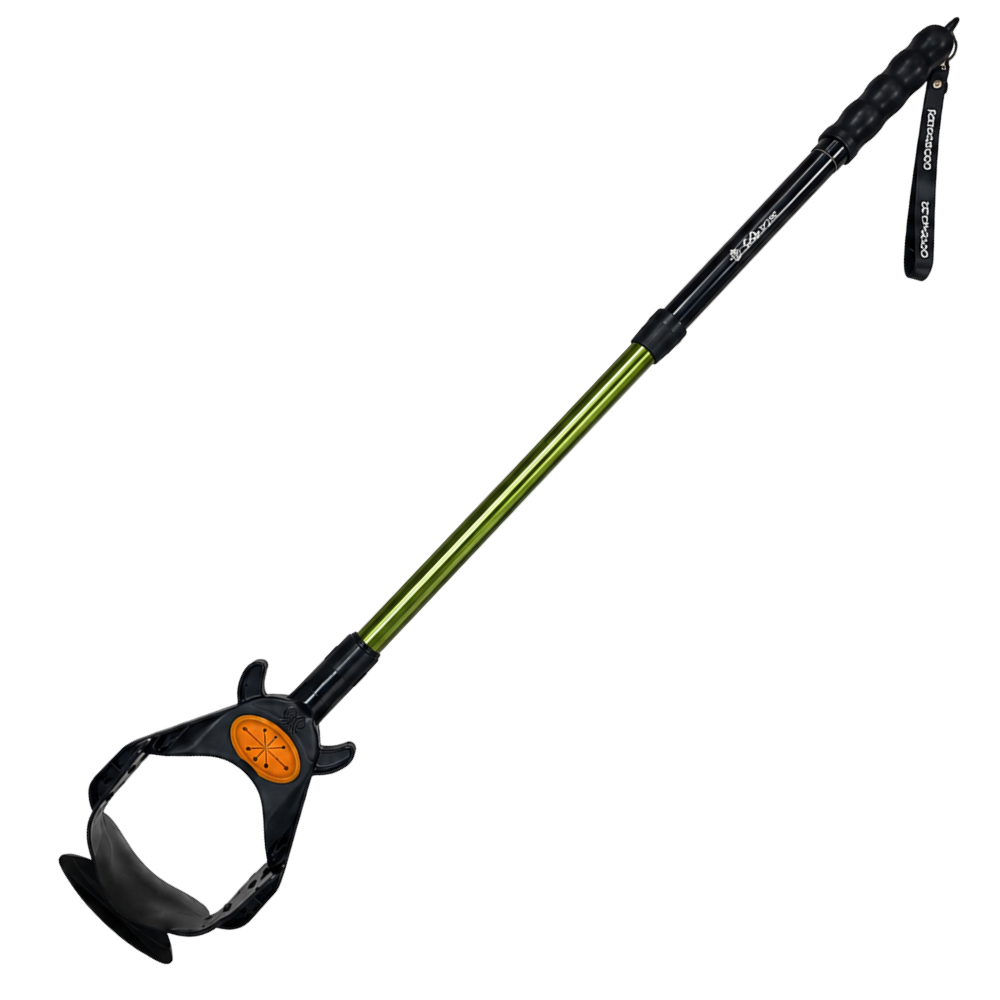
For most Husky owners, the sweet spot is the extra-large Heavy Dootie Bags as your everyday standard, with the citrus version on hand for hot summer days. They also snap onto a GoGo Stik pooper scooper, so the same bag works by hand on a walk and tool-first for yard cleanup.
Tired of bags that tear on the trail? Grab a 100-count of extra-large Heavy Dootie Bags and feel the difference on your next walk. Orders over $50 ship free, and there’s a 30-day satisfaction guarantee.
Should a Husky owner default to heavy-duty? In almost every case, yes. Here’s the honest comparison:
| Factor | Heavy-Duty Bags | Standard Bags |
|---|---|---|
| Thickness | Extra-thick, puncture-resistant | Thin, tears easily |
| Capacity | Extra-large, big-dog ready | Often too small for Huskies |
| Leak protection | Sealed, reinforced seams | Variable, prone to drips |
| Best use | Daily Husky cleanup, hikes, yard | Light, small-dog duty |
| Real cost per use | Lower (no double-bagging) | Higher (failures add up) |
Standard bags aren’t useless — they’re fine for a quick pickup or a small dog. But for a Husky’s volume and lifestyle, heavy-duty is the practical default. The math also favors it: when a thin bag fails, you double-bag everything and replace torn ones, which quietly costs more than buying a strong bag once.
Are eco-friendly waste bags strong enough? Yes — modern plant-based and corn-starch bags can be just as thick and reliable as conventional ones, as long as you choose a premium option rather than the thinnest “green” bag on the shelf. The key is not to trade durability for good intentions.
GoGo Stik’s Bio-Blu Dootie Bags are made with premium, eco-minded materials, and several of their bags are made with corn starch. They still carry the same EZ-tie handle and leak-proof build Husky owners need. A quick honesty note that matters for responsible shoppers: terms like “biodegradable” are loosely regulated, so it’s smart to choose based on the specific materials a brand actually stands behind — and always dispose of pet waste according to your local guidelines. The American Veterinary Medical Association lists prompt, proper waste disposal as a basic part of responsible pet ownership, and that holds true whichever bag you pick.
Avoid these and you’ll rarely have a bad cleanup again:
Most Huskies go two to three times a day, so a single-dog household typically uses around 60–90 bags a month, depending on walk frequency and whether you do a separate yard cleanup. Here’s a quick planning guide:
| Household | Approx. bags/month | Suggested setup |
|---|---|---|
| 1 Husky | 60–90 | One 100-count refreshed every ~5–6 weeks |
| 2 Huskies | 120–180 | Two 100-counts on subscription |
| Husky + yard cleanup | 80–110 | Heavy Dootie bags + a GoGo Stik scooper |
If you’d rather never run out at the worst moment, GoGo Stik offers a subscribe-and-save option that ships bags on a schedule and saves up to 15%. For multi-dog homes, that convenience alone is worth it.
Strip away the marketing and it comes down to what Husky owners actually feel day to day:
GoGo Stik also sells the whole cleanup system — bags, scoopers, bundles, and even pet wipes for muddy paws (very handy for a trail-loving Husky) — so you can solve cleanup in one place instead of piecing it together.
Ready for cleaner walks with your Husky? Stock up on extra-large waste bags built for big dogs, or grab a scooper + bag bundle and handle the yard without bending. Free shipping over $50 and a 30-day guarantee make it an easy call.
Your Husky is going to drag you up trails, through snow, and around the block more times than you can count — the last thing you need is a poop bag that quits on you. The right waste bags for Husky owners are extra-large, thick, leak-proof, and easy to tie one-handed, and GoGo Stik’s Heavy Dootie line checks every box while still offering eco-friendly and scented choices. Pick a bag that matches your dog’s size and your lifestyle, keep a backup roll handy, and cleanup stops being the worst part of the walk. When you’re ready, the dog poop bags collection is the place to start.
What are the best waste bags for a Husky? The best waste bags for Husky owners are extra-large, heavy-duty, leak-proof bags with a long EZ-tie handle, like GoGo Stik’s Heavy Dootie Bags (11″ x 18″). The size and thickness handle big-dog messes cleanly on walks, hikes, and in the yard.
Are thicker poop bags really better for Huskies? Yes. Thicker bags resist punctures and tears far better than thin, standard bags, which matters for a large, active breed. For a Husky’s output and outdoor lifestyle, thickness is the single most important feature to prioritize.
What size waste bag is best for a Husky? An extra-large bag around 11″ x 18″ with side gussets is ideal, giving you room for big deposits and space to keep your hand clear. Standard-size bags can work for light days, but extra-large is the safer everyday default for Huskies.
Can eco-friendly bags handle Husky waste? Yes, as long as you choose a premium, thicker eco option rather than the thinnest available. Corn-starch and plant-based waste bags for Husky cleanup can match conventional bags for strength while reducing plastic, especially with a reinforced EZ-tie handle.
How many waste bags should I carry on a walk? Carry at least two or three per walk for a Husky — one or two for expected pickups, plus a spare in case of a loose-stool day or a second surprise. Keeping a backup roll in your bag or car prevents getting caught short.
Are scented waste bags necessary for Huskies? Scented bags aren’t necessary, but they help with odor on hot days or in shared trash areas. GoGo Stik offers citrus-scented and unscented versions, so you can choose based on preference — just remember scent masks odor and doesn’t replace thickness or leak protection.
Do GoGo Stik waste bags work with a pooper scooper? Yes. GoGo Stik’s extra-large Heavy Dootie Bags are designed to fit GoGo Stik scoopers and swivel-bin tools, so the same bag works by hand on walks and tool-first for no-bend yard cleanup — a big plus for owners with back or knee issues.
How often should I clean up after my Husky? Clean up immediately on walks, and aim for daily yard cleanup, since Huskies often go two to three times a day. Prompt, consistent cleanup reduces odor, deters pests, and keeps bacteria out of soil and local waterways.
Are GoGo Stik waste bags strong enough for loose stool? Yes. Their leak-proof, multi-layer construction and sealed seams are built to contain messy or loose waste without drips, which is especially useful given that Huskies are prone to occasional digestive upset from diet changes.

Alec Beaton is the Founder & Inventor of Pooch Approved Products and GoGo Stik®. Inspired by real-life pet parenting, he turns everyday cleanup challenges into simple, innovative solutions that make life better for pets and their people.
Why do dogs circle before pooping? The science behind spinning, Earth’s magnetic field, safety instincts—plus easy cleanup tips for pet parents.
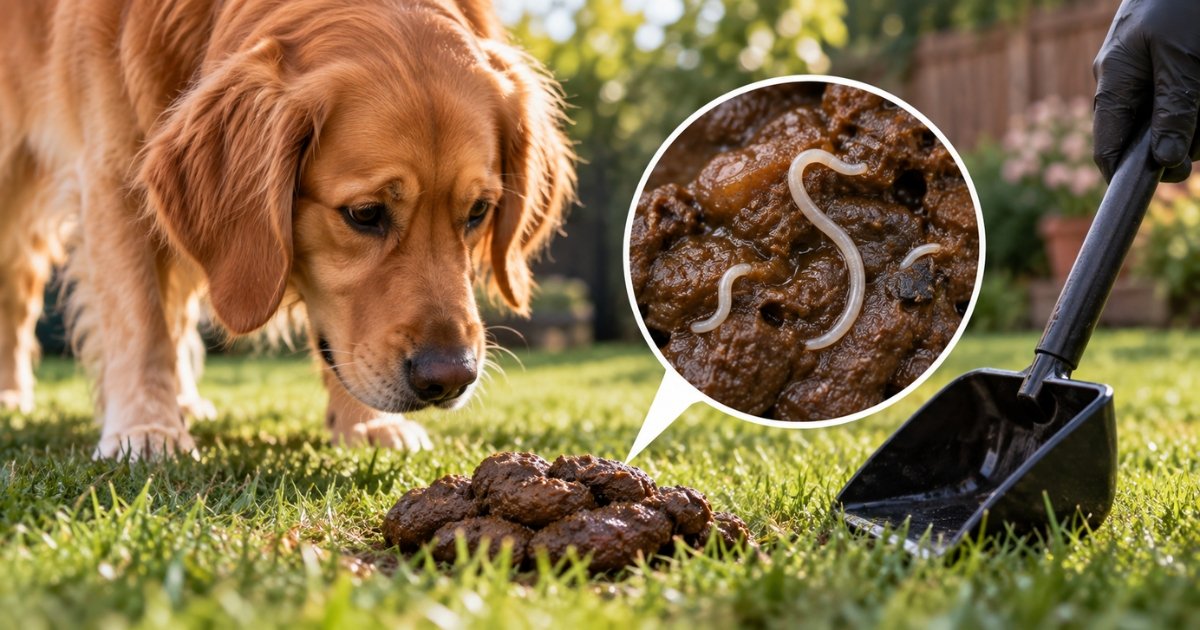
Spotting worms in dog poop? Learn to identify roundworms, tapeworms & hookworms, when to call your vet, and how to clean up safely.
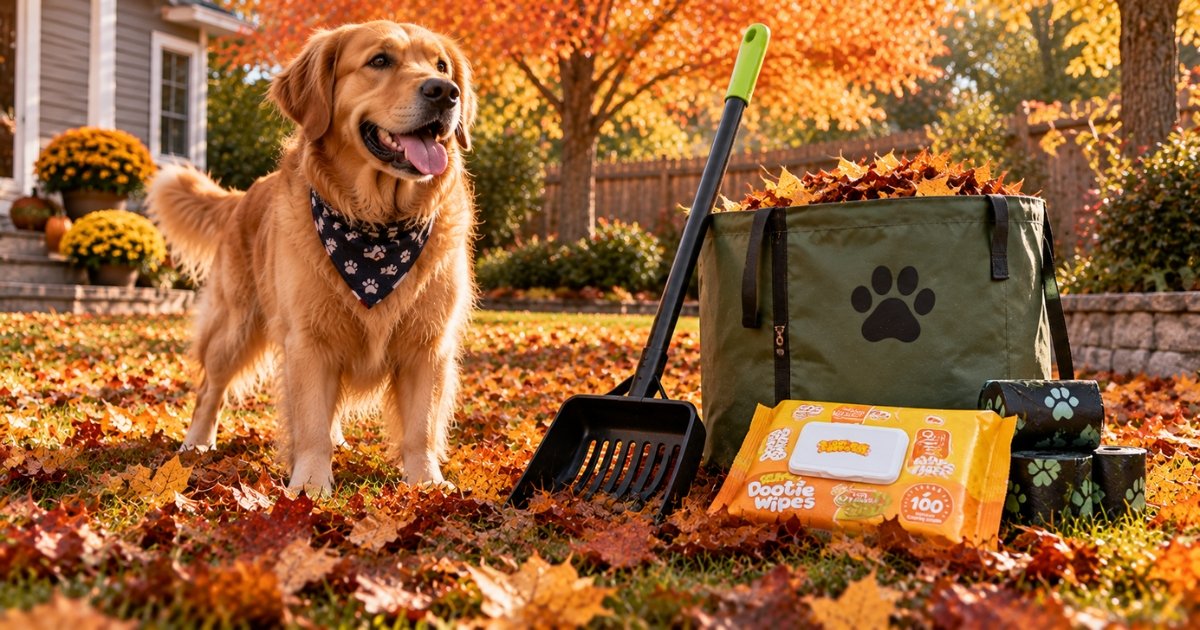
Master fall yard cleanup with a dog: clear leaves, find hidden poop, and prep your yard before winter with these easy, expert-backed tips.