Pooper Scoopers
Claw Pooper Scooper: 5 Easy Checks Before You Buy
A claw pooper scooper is cheap and one-handed, but it fails on soft stool and gravel. Here are 5 checks before you buy, plus a cleaner alternative.

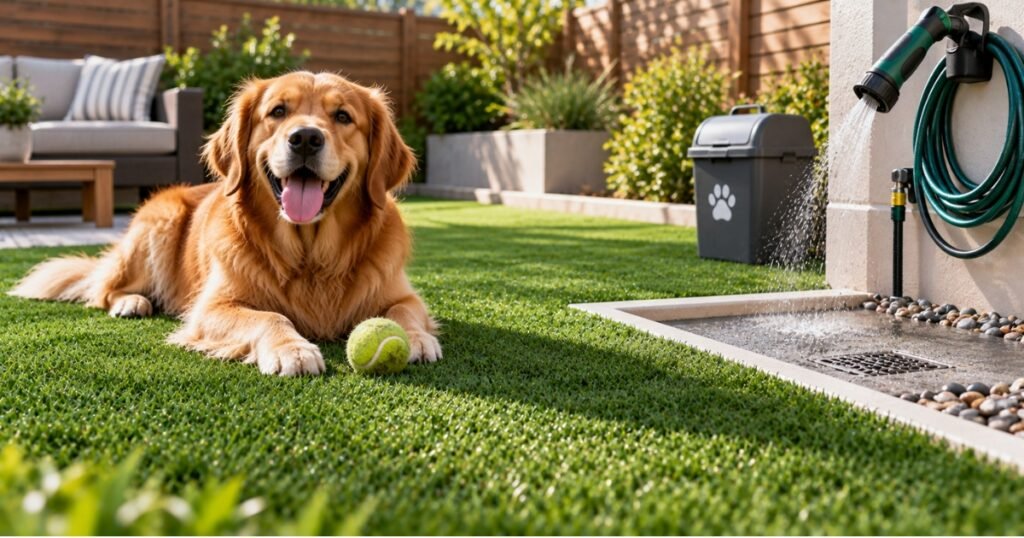
Thinking about ditching the muddy backyard for a low-maintenance lawn? Artificial turf for dogs has become one of the most popular yard upgrades for pet owners in 2026 — and for good reason. It promises a green, mud-free space year-round with no mowing, no bare patches, and no more paw prints tracked across your floors. But it isn’t magic grass. Before you spend thousands on installation, you need the honest picture: what synthetic pet turf does well, where it falls short, and the cleanup reality nobody mentions in the glossy brochures.
We clean up after dogs for a living, so we’ve seen how these lawns actually perform once a real dog starts using one daily. Here’s the balanced breakdown.
Pet-specific artificial turf is a synthetic grass system engineered to handle urine, digging, and heavy foot traffic. Unlike landscaping turf, it’s built with more permeable backing so liquids drain through quickly instead of pooling on the surface.
A typical dog turf installation includes several layers:
That infill layer is the single biggest difference between a turf yard that smells fine and one that reeks by August.
There’s a reason artificial pet turf keeps growing in popularity. When it’s installed correctly, the benefits are real.
This is the headline win. No digging craters, no urine-burned yellow patches, and no muddy paws in the kitchen after rain. The surface stays even and green through every season.
No mowing, watering, fertilizing, or reseeding. You’ll spend a fraction of the time you did on natural grass — though “low maintenance” is not “no maintenance,” which we’ll get to.
Quality pet turf handles zoomies, big dogs, and high traffic without wearing into dirt tracks. Most premium products carry 8–15 year warranties.
Good systems drain faster than natural soil, so puddles and standing water are rare — a plus for potty training and rainy climates.
Artificial turf isn’t the perfect solution it’s often marketed as. Weigh these honestly.
None of these are dealbreakers on their own, but they’re the reason a maintenance routine matters so much.
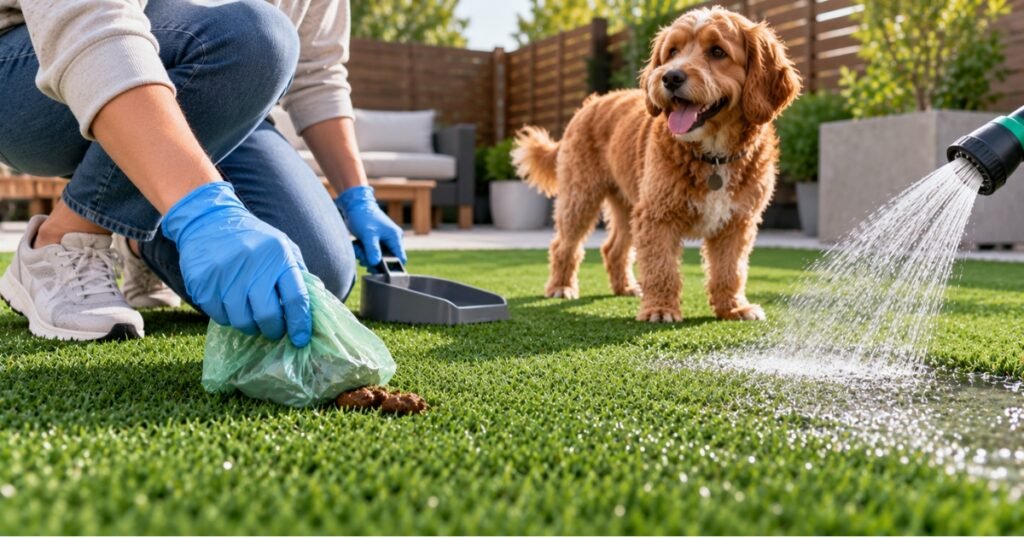
Here’s the part that surprises new turf owners. Artificial grass removes yard chores — but it does not remove waste duty. If anything, staying on top of cleanup is more important on turf than on soil, because there’s no living lawn and no microbial activity in the ground to break things down naturally.
Our original tip after years in the pet-cleanup business: treat solids and liquids as two separate jobs. Most odor complaints come from people who rinse the turf but let solid residue linger in the blades.
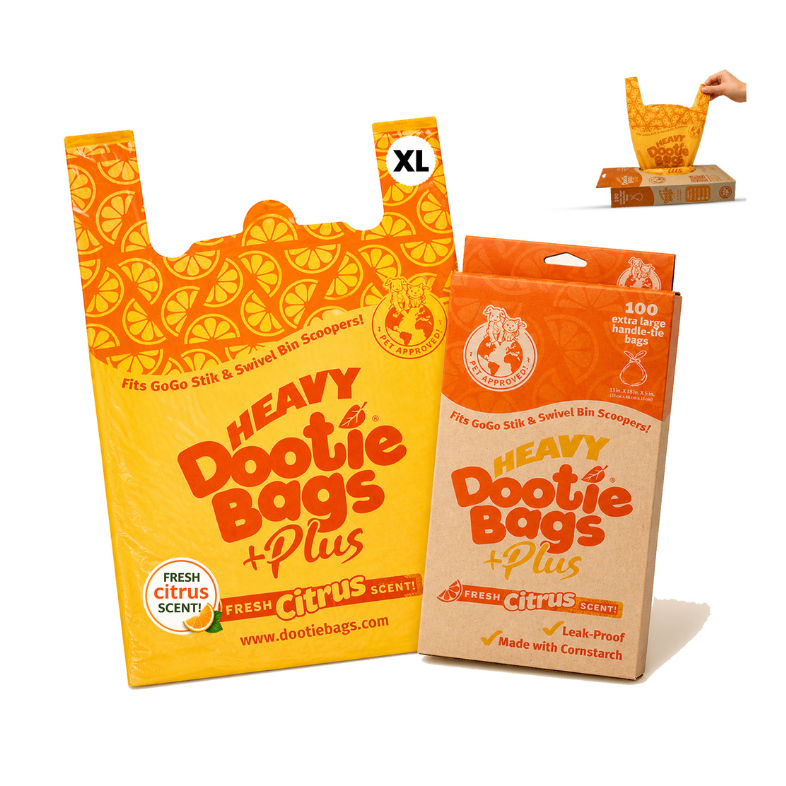
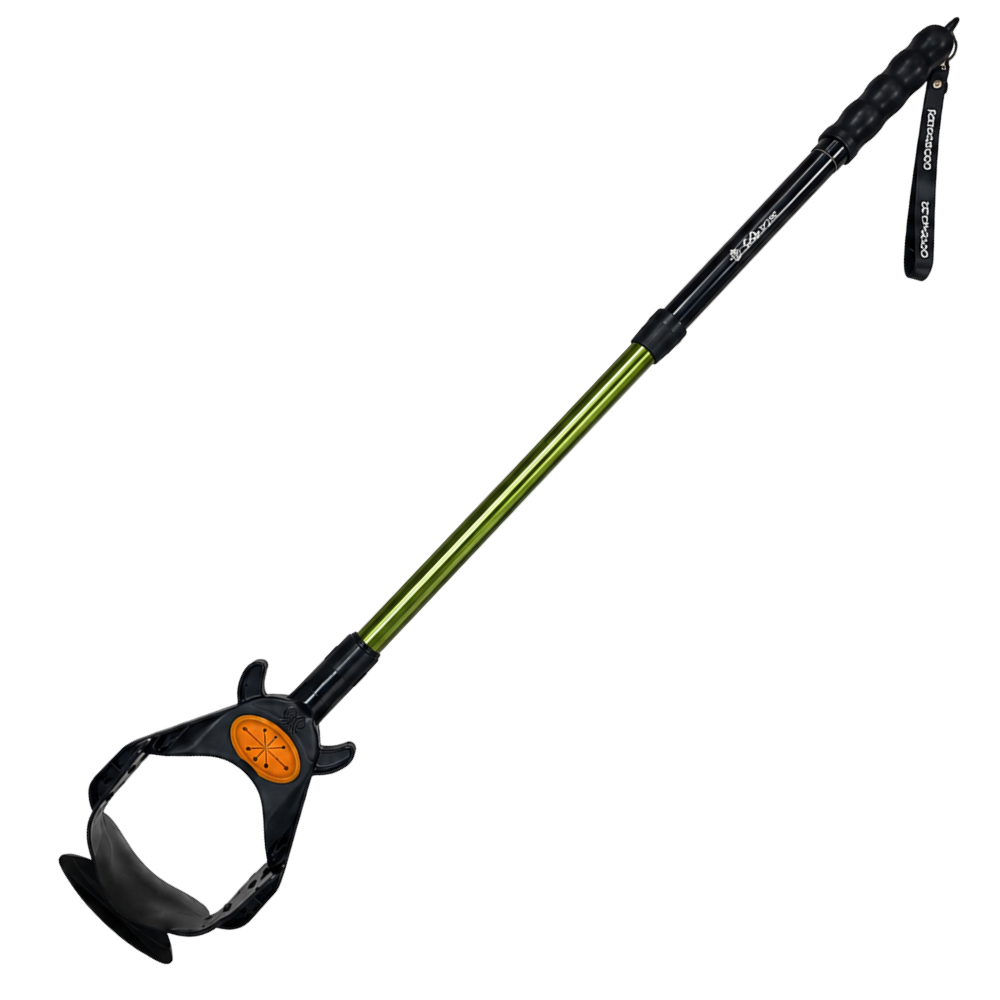
The right tools make this a 60-second task instead of a dreaded chore. A no-touch scooper like the XP Pro pooper scooper lets you grab waste off turf cleanly without bending, touching, or dragging a rake through the blades. Pair it with genuinely leakproof Dootie Bags so nothing seeps onto the turf or your hands, and you’ve got the whole solid-waste problem handled.
Still deciding? This quick comparison shows how the two stack up on the factors that matter most to dog owners.
| Factor | Artificial Turf | Natural Grass |
|---|---|---|
| Upfront cost | High ($8–$20+/sq ft) | Low to moderate |
| Ongoing maintenance | Rinse + scoop, no mowing | Mow, water, fertilize, scoop |
| Mud & dead spots | None | Common |
| Odor risk | Moderate (needs rinsing) | Low (soil breaks down waste) |
| Summer surface heat | Can get hot | Stays cool |
| Lifespan | 8–15 years | Indefinite with care |
For a deeper look at odor control on any surface, the American Veterinary Medical Association offers solid guidance on pet hygiene and waste handling, and turf manufacturers publish care sheets worth reading before you buy.
Only if it’s neglected. Quality turf with antimicrobial infill and a proper drainage base drains urine away quickly. Odor develops when salts build up in the fibers, so a daily rinse of potty zones and a weekly enzyme treatment keep synthetic grass smelling neutral.
Yes. Liquid drains through, but solid waste sits on top and must be scooped every time — ideally right away. A no-touch scooper and leakproof bags make it fast and mess-free, and prompt removal prevents residue from grinding into the blades.
Reputable pet turf is non-toxic, lead-free, and designed with pets in mind. The main safety concern is summer heat, since synthetic blades can get hot in direct sun. Rinse the surface to cool it, provide shade, and check with your paw before letting dogs out on hot afternoons.
Most quality artificial turf lasts 8 to 15 years with proper care. Regular rinsing, prompt waste removal, and occasional deep cleaning all extend its life and keep the fibers standing upright.
Artificial turf for dogs can be a fantastic upgrade — a clean, green, mud-free yard your dog can enjoy in any season. Just go in with clear eyes: budget for the install, plan for summer heat, and commit to a simple rinse-and-scoop routine. Do that, and synthetic grass delivers exactly what it promises.
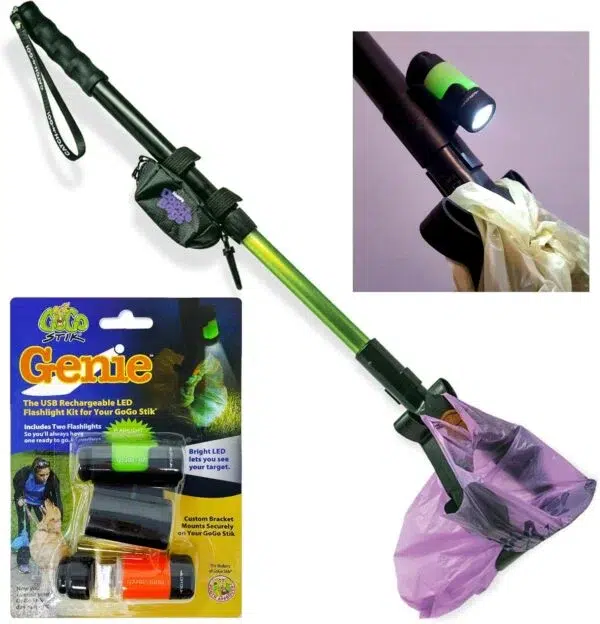
Whatever surface your pup calls home, cleanup is a whole lot easier with the right gear. Browse our patented no-touch scoopers and leakproof HEAVY Dootie Bags in the GoGo Stik shop and keep your turf fresh, clean, and hands-free.
Alec Beaton is the Founder & Inventor of Pooch Approved Products and GoGo Stik®. Inspired by real-life pet parenting, he turns everyday cleanup challenges into simple, innovative solutions that make life better for pets and their people.
A claw pooper scooper is cheap and one-handed, but it fails on soft stool and gravel. Here are 5 checks before you buy, plus a cleaner alternative.
How long can a dog go without pooping? Learn normal timeframes, warning signs of constipation, and when to call the vet. Clear, vet-backed answers.
Dog won’t poop in snow? Learn why cold, salt and buried scent stop them, how to clear a potty patch, and when holding it means a vet visit.