General
Dog Diarrhea: Causes, Home Care & Vet Signs
Dog diarrhea got you worried? Learn the common causes, safe home care tips, and the warning signs that mean it’s time to call your vet.

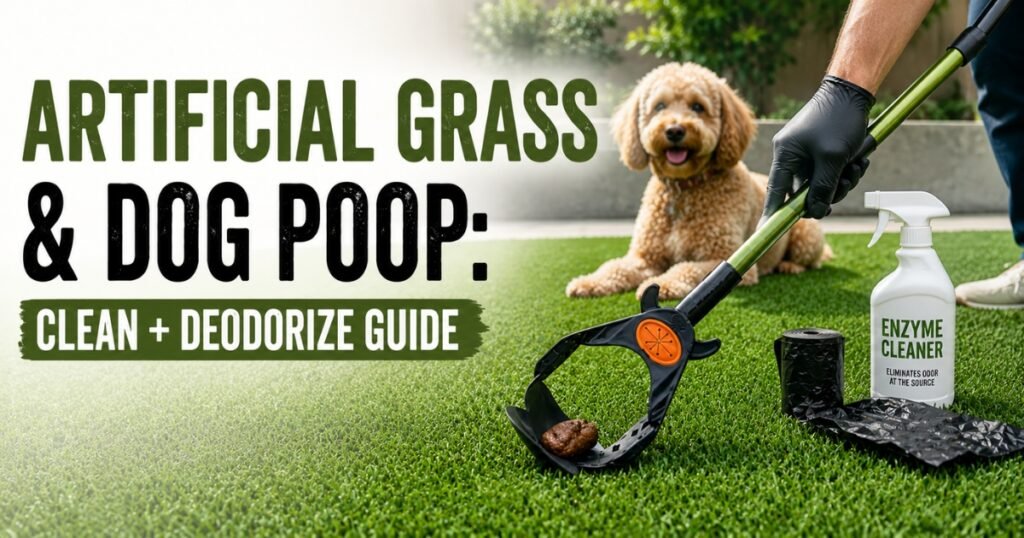
Artificial turf promises a green, mud-free yard year-round — until the artificial grass dog poop smell starts creeping up on a hot afternoon. If your synthetic lawn has developed that unmistakable “kennel” odor, you’re not alone, and you’re not stuck with it. The good news: fake grass doesn’t absorb waste the way soil does, so with the right no-touch cleanup and a simple deodorizing routine, you can keep your turf genuinely fresh.
This guide walks through why the odor happens, how to clean it fast, and how to stop it from coming back — plus the tools that make the job hands-free and hygienic.
Real grass and soil host microbes that naturally break down waste. Artificial turf has no living topsoil, so anything left behind — solid waste, residual film, and especially urine — just sits on the surface and in the backing until you remove it. Heat and humidity accelerate bacterial growth, and that’s what produces the sour, ammonia-like smell.
Three culprits drive most of the odor:
The takeaway: scooping alone won’t fully fix the artificial grass dog poop smell. You need to remove the residue and neutralize the ammonia.
Consistency beats deep-cleaning. A 60-second daily routine prevents odor from ever taking hold. Here’s the workflow we recommend:
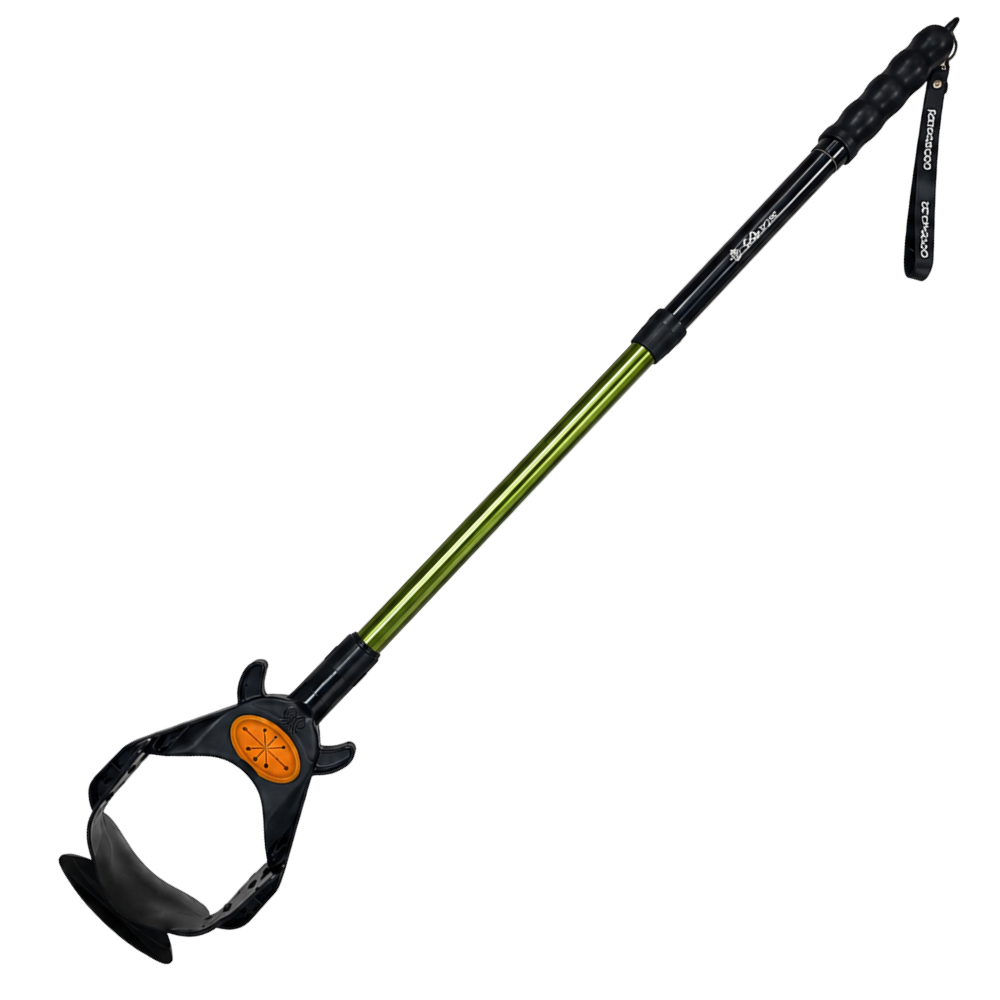
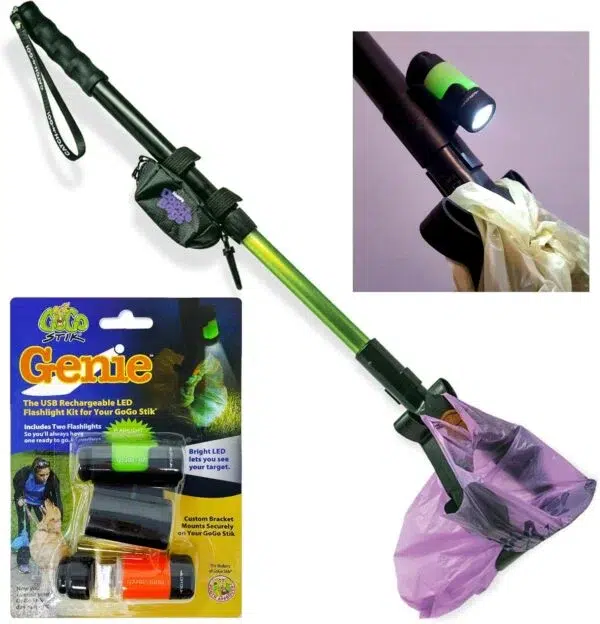
On synthetic grass, you can’t just “grab and go” — the blades hold residue, and reaching in with a bag exposes you to bacteria. A patented no-touch scooper like the GoGo Stik lets you lift waste cleanly without bending, touching, or leaving smear behind. Pair it with sturdy wipes for the finishing touch and cleanup stays genuinely sanitary.
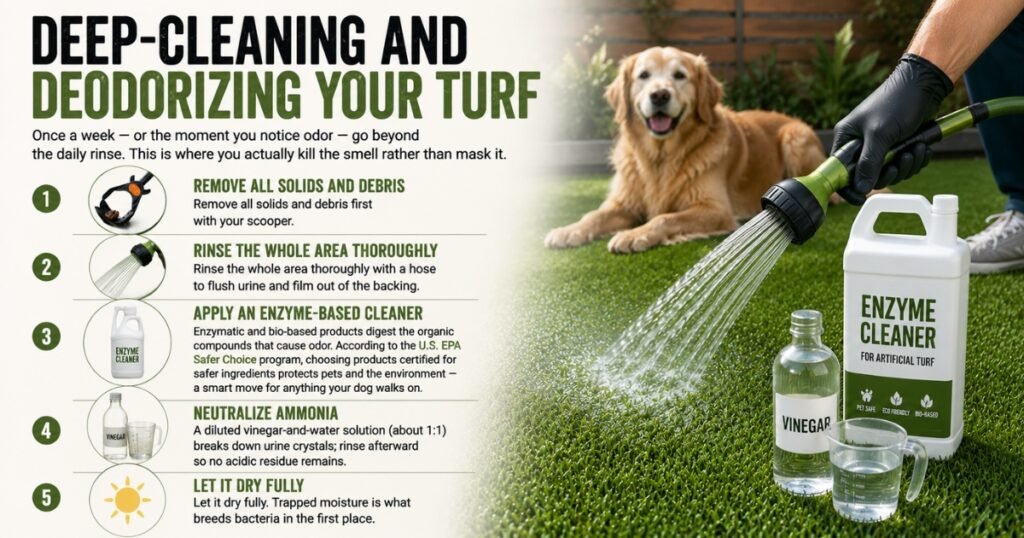
Once a week — or the moment you notice odor — go beyond the daily rinse. This is where you actually kill the smell rather than mask it.
Not every approach is equal for tackling the artificial grass dog poop smell. Here’s how the common options stack up:
| Method | Odor Control | Effort | Best For |
|---|---|---|---|
| Scoop + rinse only | Low–Medium | Low | Daily maintenance |
| Enzyme cleaner | High | Medium | Weekly deep clean |
| Vinegar + water | Medium–High | Low | Ammonia neutralizing |
| Scented spray alone | Low (masks only) | Low | Not recommended |
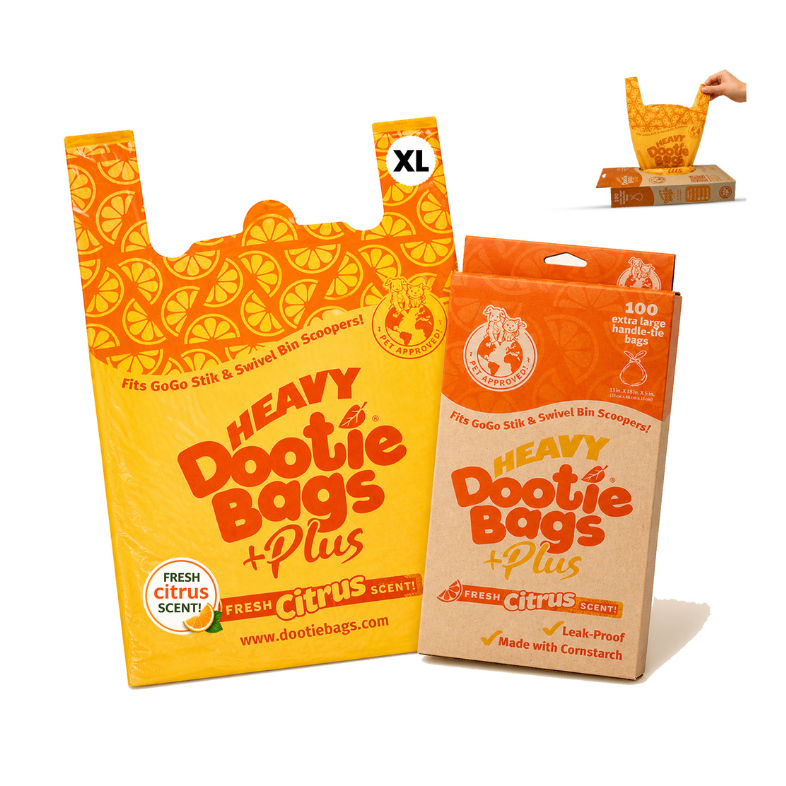
The right gear turns a dreaded chore into a quick habit. For turf owners, the combination that works best is a no-touch scooper, leakproof bags, and heavy-duty wipes for your dog and the immediate area.
Our Heavy Dootie Pet Wipes in Bamboo Citrus are built thick enough to clean butt, body, and paws in one pass — perfect for wiping down after a smear or freshening your dog before they come indoors. For a complete turf-cleanup kit, the Wipes & Poop Bags Bundle pairs 100 leakproof bags with 100 durable wipes so you always have both on hand. Browse the full lineup in our shop to match tools to your yard.
One habit that dramatically cuts odor: designate a single “potty zone” on your turf and train your dog to use it. Concentrating waste in one area means you deep-clean a small patch often instead of chasing smells across the whole lawn — and it keeps the rest of your grass smelling neutral.
Scoop solids daily and rinse the area, then do a full enzyme deodorizing treatment weekly. In hot, humid weather or with multiple dogs, bump the deep clean to twice a week — heat speeds up the bacteria that cause artificial grass dog poop smell.
Often, yes. Solid waste is easy to scoop, but urine ammonia crystallizes in the turf backing and builds up invisibly over time. That’s why regular rinsing plus an ammonia-neutralizing step (like diluted vinegar or an enzyme cleaner) is essential for lasting freshness.
Yes — a 1:1 vinegar-and-water solution is turf-safe and effective at neutralizing urine odor. Always rinse with plain water afterward so no acidic residue lingers. Avoid bleach and harsh solvents, which can degrade fibers and irritate your dog’s paws.
Use a no-touch scooper to lift solids without smearing, drop the waste into a leakproof bag, and finish with a heavy-duty pet wipe on any residue or on your dog. The whole routine takes under a minute and keeps everything sanitary.
Beating the artificial grass dog poop smell comes down to three habits: scoop promptly, rinse and deodorize regularly, and use hands-free tools that make it easy to stay consistent. Do that, and your synthetic lawn stays the clean, green, low-maintenance space you paid for. Ready to build your no-touch cleanup kit? Explore our patented scoopers, leakproof Dootie Bags, and heavy-duty wipes in the GoGo Stik shop and make odor a thing of the past.
Alec Beaton is the Founder & Inventor of Pooch Approved Products and GoGo Stik®. Inspired by real-life pet parenting, he turns everyday cleanup challenges into simple, innovative solutions that make life better for pets and their people.
Dog diarrhea got you worried? Learn the common causes, safe home care tips, and the warning signs that mean it’s time to call your vet.
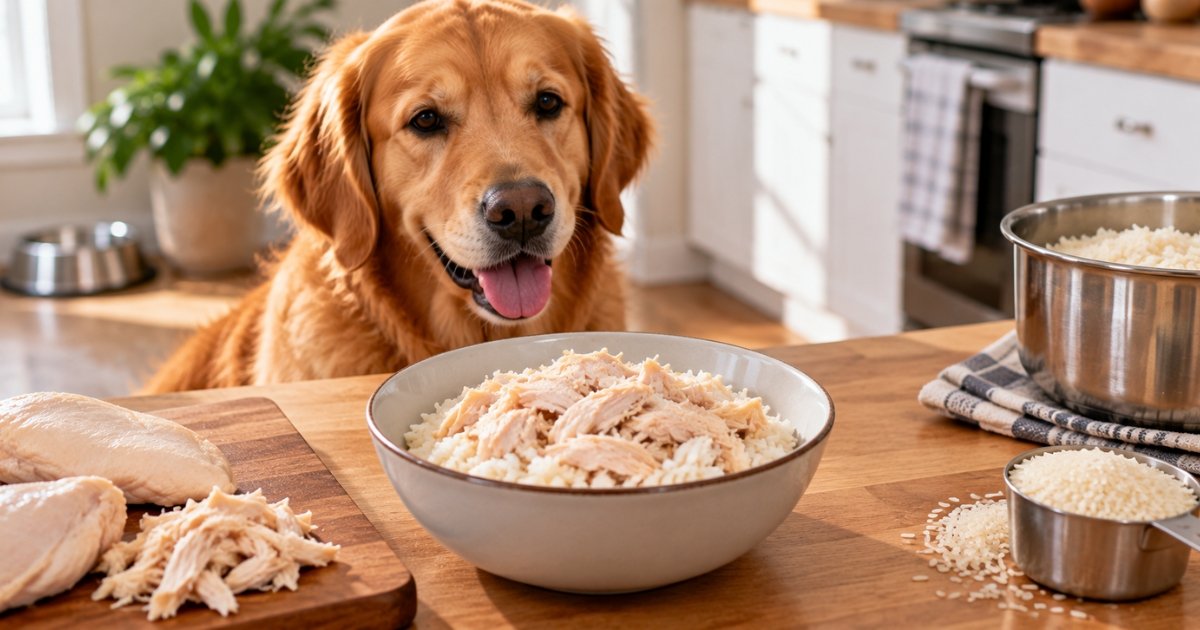
A bland diet for dogs can calm an upset stomach fast. Learn the right chicken & rice ratio, how long to feed it, and when to call your vet.
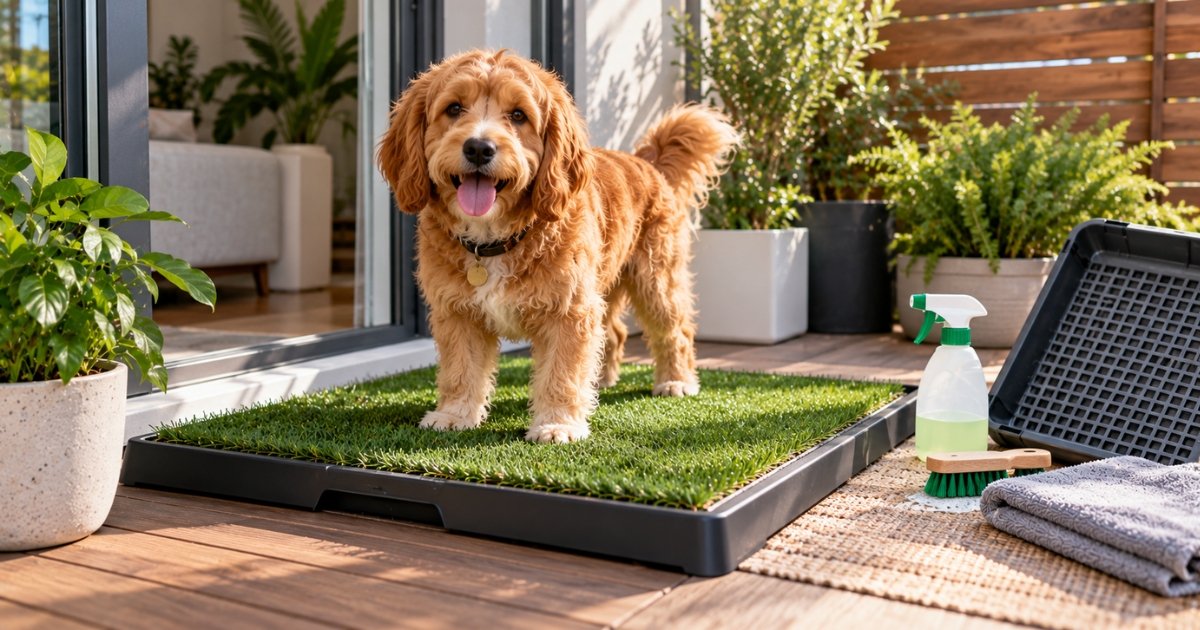
Does a dog grass pad really work? See real pros, cons, cleaning tips, and the best poop bags to keep your indoor potty fresh in 2026.