Home/Blogs/10 Puppy Training Tips: Expert Techniques for Success
10 Puppy Training Tips: Expert Techniques for Success
Training a new puppy requires patience, consistency, and the right approach. Whether you’re a first-time dog owner or adding another furry friend to your family, these proven techniques will help you raise a well-behaved companion. Let’s explore ten essential strategies that make puppy training effective and enjoyable.
1. Start Training Early
Begin training your puppy as soon as you bring them home, typically around 8 weeks old. Young puppies absorb information quickly during their critical socialization period. Early training establishes good habits and prevents behavioral problems before they develop.
Focus on basic commands like “sit,” “stay,” and “come” during short, five-minute sessions. Puppies have limited attention spans, so keeping lessons brief maintains their interest and enthusiasm.
2. Use Positive Reinforcement
Reward-based training proves far more effective than punishment. When your puppy performs desired behaviors, immediately provide treats, praise, or playtime. This positive association encourages them to repeat good actions.
Choose high-value treats that your puppy finds irresistible. Small, soft treats work best because your puppy can eat them quickly without losing focus on the training session.
3. Establish a Consistent Routine
Dogs thrive on predictability. Set regular times for feeding, potty breaks, play sessions, and sleep. A consistent schedule helps your puppy understand expectations and reduces anxiety.
Take your puppy outside first thing in the morning, after meals, following play sessions, and before bedtime. Consistency speeds up housetraining and minimizes accidents inside your home.
4. Master House Training Basics
House training requires diligence and timing. Watch for signs that your puppy needs to go, such as sniffing, circling, or whining. Immediately take them to their designated potty area.
When accidents happen, clean them thoroughly with an enzymatic cleaner to remove odors. Never punish your puppy for accidents, as this creates fear and confusion. Instead, focus on rewarding successful outdoor bathroom trips.
Keep cleaning supplies handy, including premium dog waste bags for convenient cleanup during outdoor training sessions.
5. Socialize Your Puppy Properly
Exposure to different people, animals, sounds, and environments builds confidence and prevents fear-based behaviors. Between 3 and 14 weeks of age, puppies experience a crucial socialization window.
Introduce your puppy to various experiences gradually and positively. Invite friends over, take walks in different neighborhoods, and arrange supervised playdates with vaccinated dogs. Each positive interaction strengthens your puppy’s social skills.
6. Teach Bite Inhibition
Puppies explore the world with their mouths, but they must learn to control their bite pressure. When your puppy bites too hard during play, let out a high-pitched yelp and stop the interaction immediately.
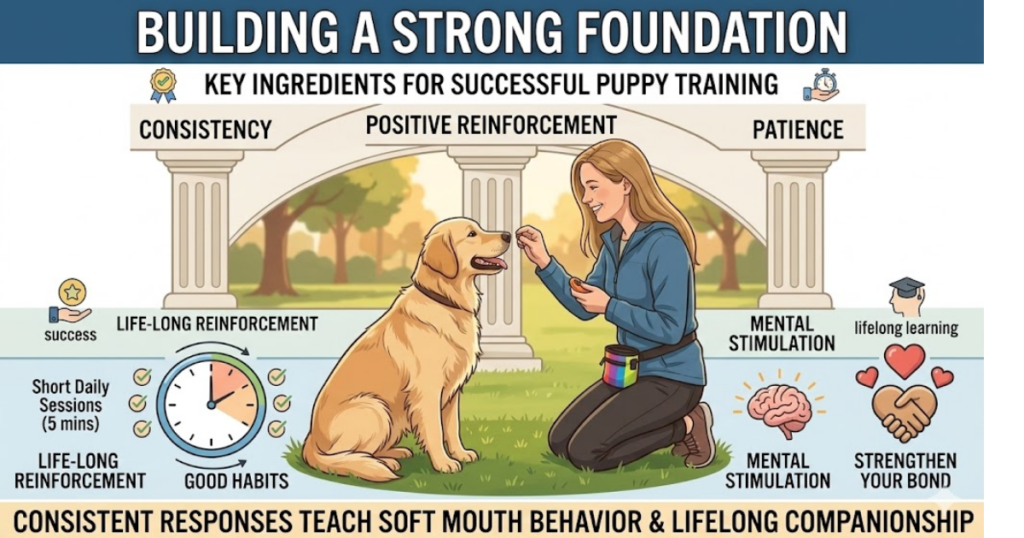
This mimics how littermates communicate during rough play. After a brief pause, resume playing gently. Consistent responses teach your puppy that soft mouth behavior keeps the fun going, while hard biting ends it.
7. Prevent Problem Behaviors Proactively
Management prevents problems before they start. Puppy-proof your home by removing tempting items like shoes, remote controls, and electrical cords. Provide appropriate chew toys to satisfy your puppy’s natural urge to gnaw.
Crate training offers a safe space for your puppy and prevents destructive behavior when you cannot supervise. Make the crate comfortable with bedding, toys, and treats. Never use it as punishment.
8. Practice Leash Training
Walking on a leash is a learned skill. Start indoors by letting your puppy wear their collar and leash for short periods. Reward them for walking beside you without pulling.
Gradually move training outside, stopping whenever your puppy pulls. Only continue walking when the leash relaxes. This teaches your puppy that pulling delays reaching interesting destinations, while loose-leash walking gets them where they want to go faster.
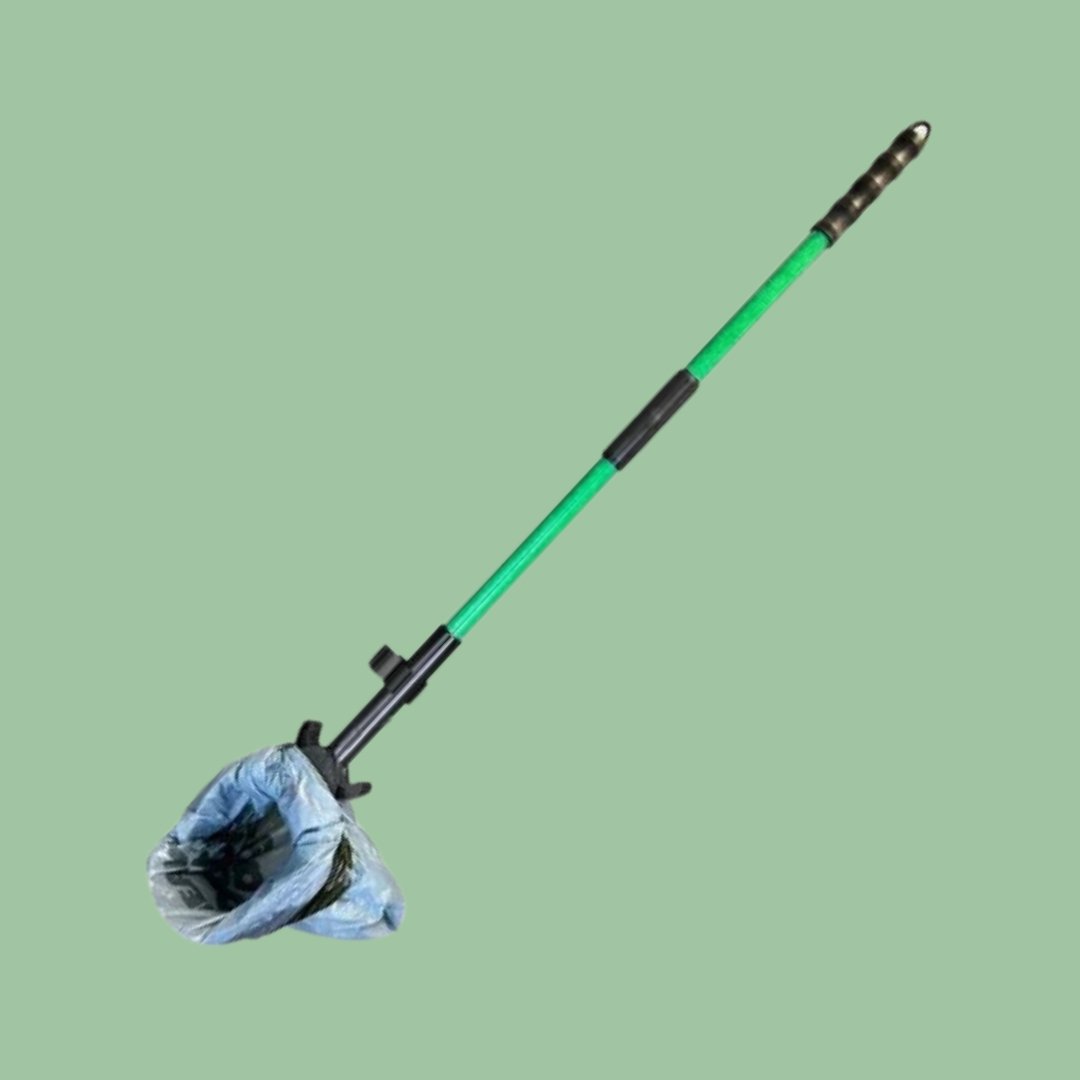
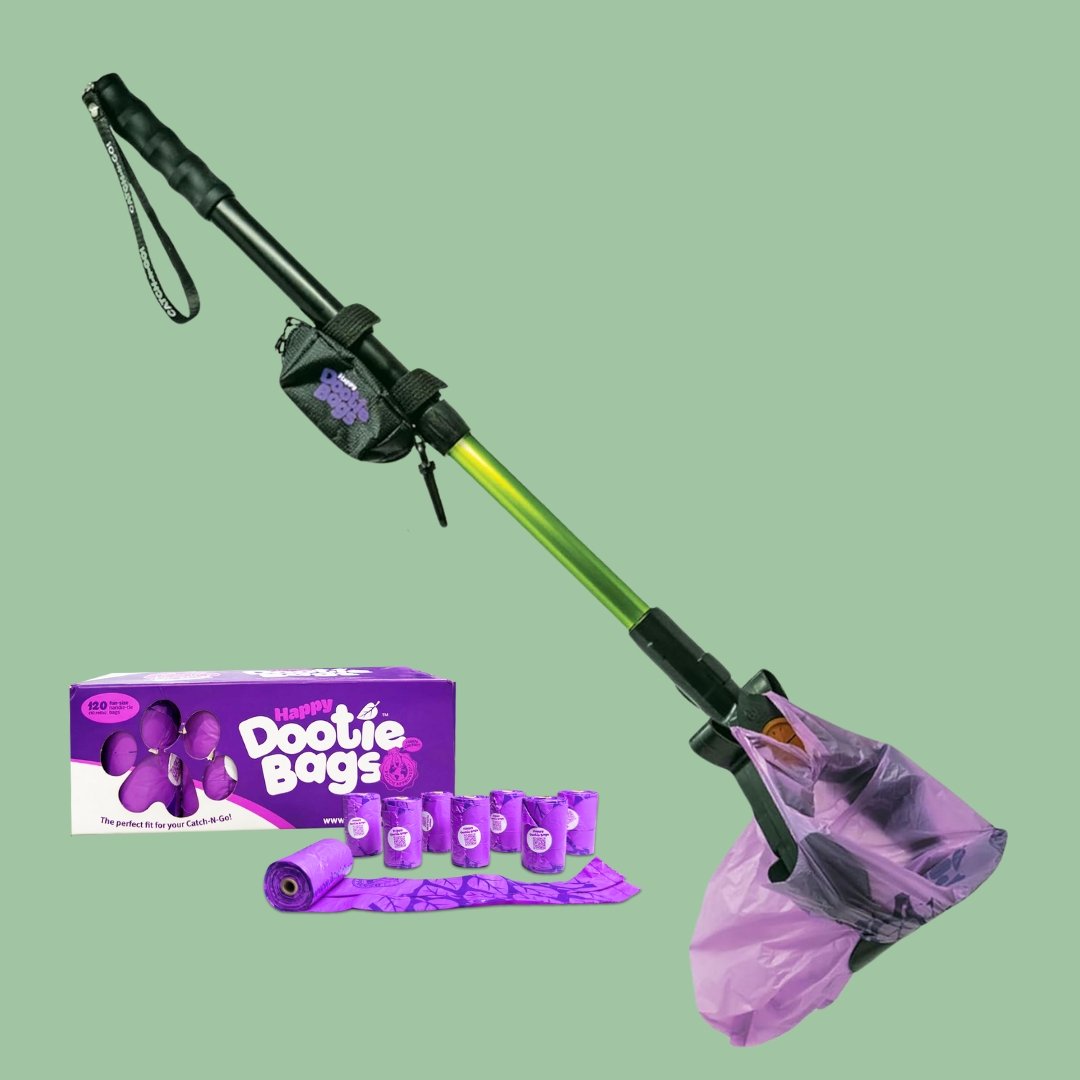
Having the right equipment makes outdoor training sessions more efficient. Consider using a reliable pooper scooper to maintain clean training areas.
9. Stay Patient and Persistent
Training setbacks happen. Your puppy may have off days or regress in previously learned behaviors. Therefore, maintain a calm demeanor and continue practicing consistently.
Frustration hinders learning. If you feel overwhelmed, take a break and return to training when you’re both refreshed. Similarly, celebrate small victories to stay motivated throughout the training process.
10. Enroll in Puppy Classes
Professional guidance accelerates your training progress. Group classes provide structured learning environments where puppies practice commands amid distractions. Consequently, they learn to focus despite exciting stimuli.
Classes also offer socialization opportunities with other puppies and people. Meanwhile, instructors can identify and address specific behavioral issues you’re experiencing. Many trainers offer both in-person and online options to fit different schedules and preferences.
Building a Strong Foundation
Successful puppy training combines consistency, positive reinforcement, and patience. Each puppy learns at their own pace, so avoid comparing your progress to others. Focus on strengthening your bond through training activities.
Regular practice cements good habits. Even after your puppy masters basic commands, continue reinforcing them throughout their life. Short, daily training sessions maintain their skills and mental stimulation.
Managing Training Challenges
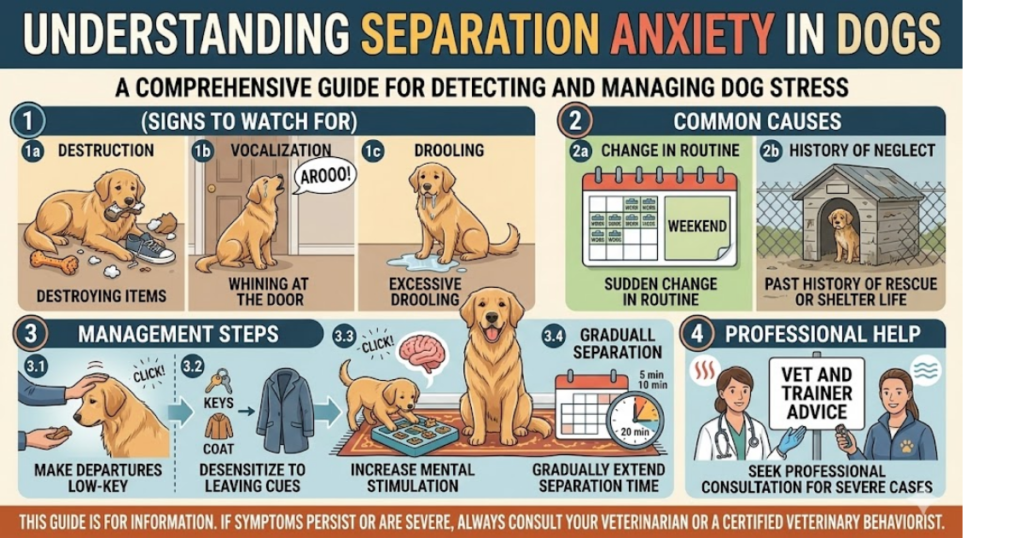
Some puppies present specific challenges, such as excessive barking, jumping, or separation anxiety. Address these issues early by identifying triggers and implementing targeted solutions.
For persistent problems, consult a professional dog trainer or veterinary behaviorist. They can assess your specific situation and create customized training plans. Professional help often prevents small issues from becoming major behavioral problems.
Maintaining Clean Training Spaces
Clean outdoor spaces make training more pleasant for both you and your puppy. Regular cleanup prevents unsanitary conditions and keeps your yard safe. Using quality waste management tools simplifies this essential task.
Stock up on durable waste bags to ensure you’re always prepared during training walks. Proper cleanup demonstrates responsible pet ownership and keeps public spaces welcoming for everyone.
Final Thoughts
Raising a well-trained puppy demands dedication, but the rewards are immeasurable. Your efforts create a harmonious household where your dog understands boundaries and expectations. The bond you build during training lasts a lifetime.
Stay committed to these techniques, adjust them to your puppy’s individual personality, and enjoy watching your furry friend grow into a confident, obedient companion. Training isn’t just about commands—it’s about communication, trust, and mutual respect between you and your dog.
Every dog owner knows the struggle of keeping treats organized. Bags rip open, treats go stale, and the kitchen counter turns into a mess. A DIY dog treat jar solves all of that — and it looks great sitting on your counter, too. In this guide, you will learn how
Dogs are more than pets — they’re stress relievers, mood boosters, and loyal companions who show up for us every single day. In fact, spending just a few minutes with your dog can lower cortisol levels and increase the feel-good hormone oxytocin. But here’s the thing: if your daily dog
Dogs are curious by nature. They sniff, chew, and taste just about everything they come across—including your houseplants. For that reason, choosing non-toxic indoor plants that are safe for dogs should be a top priority for every pet owner. The good news? Plenty of beautiful, low-maintenance houseplants pose zero risk